Activities: Health Related Fitness for Home Gyms
I remember standing in a client's cramped 10x10 spare bedroom, surrounded by rusty dumbbells and a squeaky, oversized treadmill that doubled as a clothing rack. They were exhausted, nursing a bad shoulder, and completely burned out on chasing a six-pack. We overhauled their approach right then and there. Instead of focusing on aesthetics, we pivoted entirely to activities health related fitness protocols.
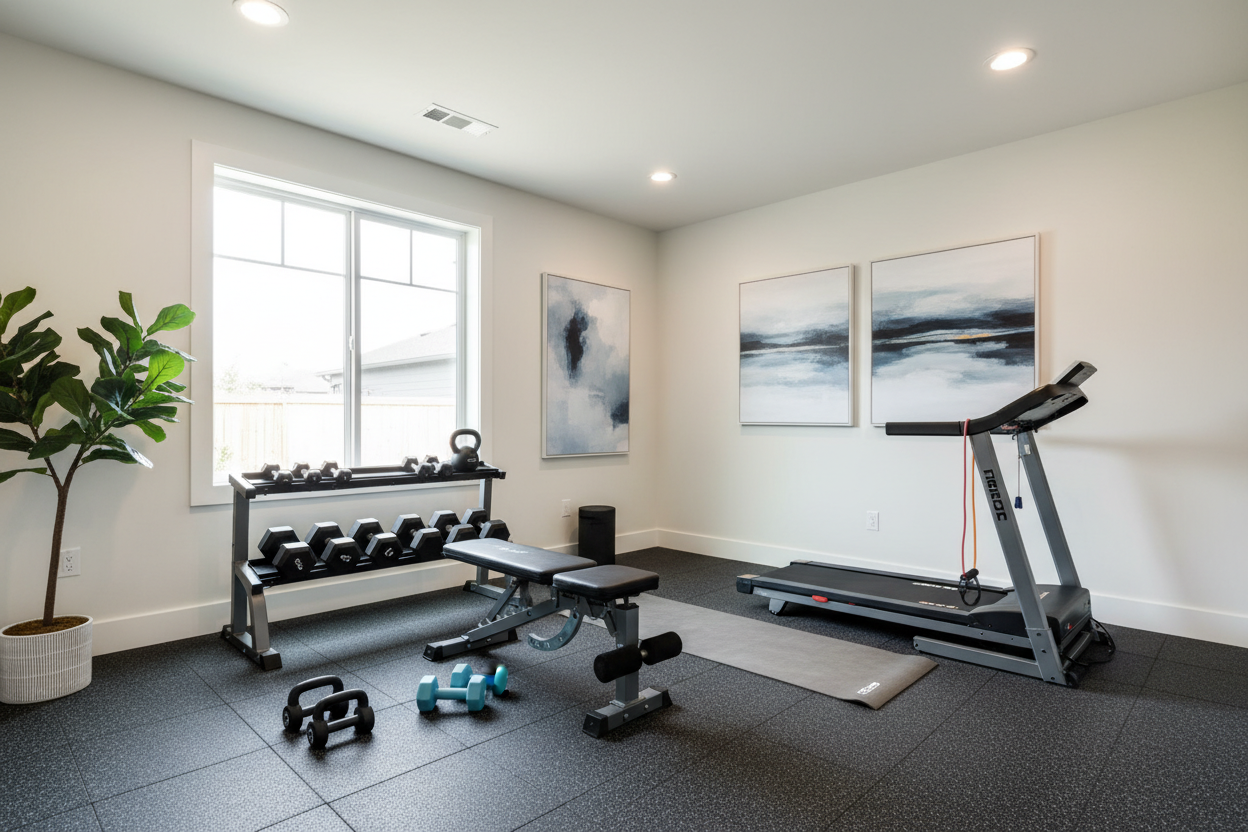
This approach is not about hitting a 500-pound deadlift or running a sub-five-minute mile. It is about building a resilient body that functions flawlessly at 40, 50, and 80 years old. You do not need a massive commercial facility to pull this off. A 6x6 foot clearing in your living room and a few basic pieces of equipment are more than enough to train the five core pillars of longevity.
Quick Takeaways
- Focus on the five pillars: cardiovascular endurance, muscular strength, muscular endurance, flexibility, and body composition.
- Swap massive cardio machines for high-yield, low-footprint movements like kettlebell swings and box step-ups.
- Adjustable dumbbells (5-52.5 lbs) are the most space-efficient tool for building structural integrity.
- Mobility is non-negotiable; dedicate at least 10 minutes daily to joint health.
Defining Health-Related Fitness vs. Skill-Related Fitness
As a trainer, I constantly see people confusing skill-related fitness with health-related fitness. Skill-related training focuses on agility, speed, power, and reaction time. It is great for athletes, but it often leads to joint wear and tear for the average person working out in their garage. Health-related fitness dials in on the five components that dictate your daily functional health and lifespan.
These five components are cardiovascular endurance, muscular strength, muscular endurance, flexibility, and body composition. When you train for these, your resting heart rate drops, your bone density increases, and getting up from the floor stops feeling like a chore. You stop caring about how much weight is on the bar and start caring about how your joints feel the morning after a workout.
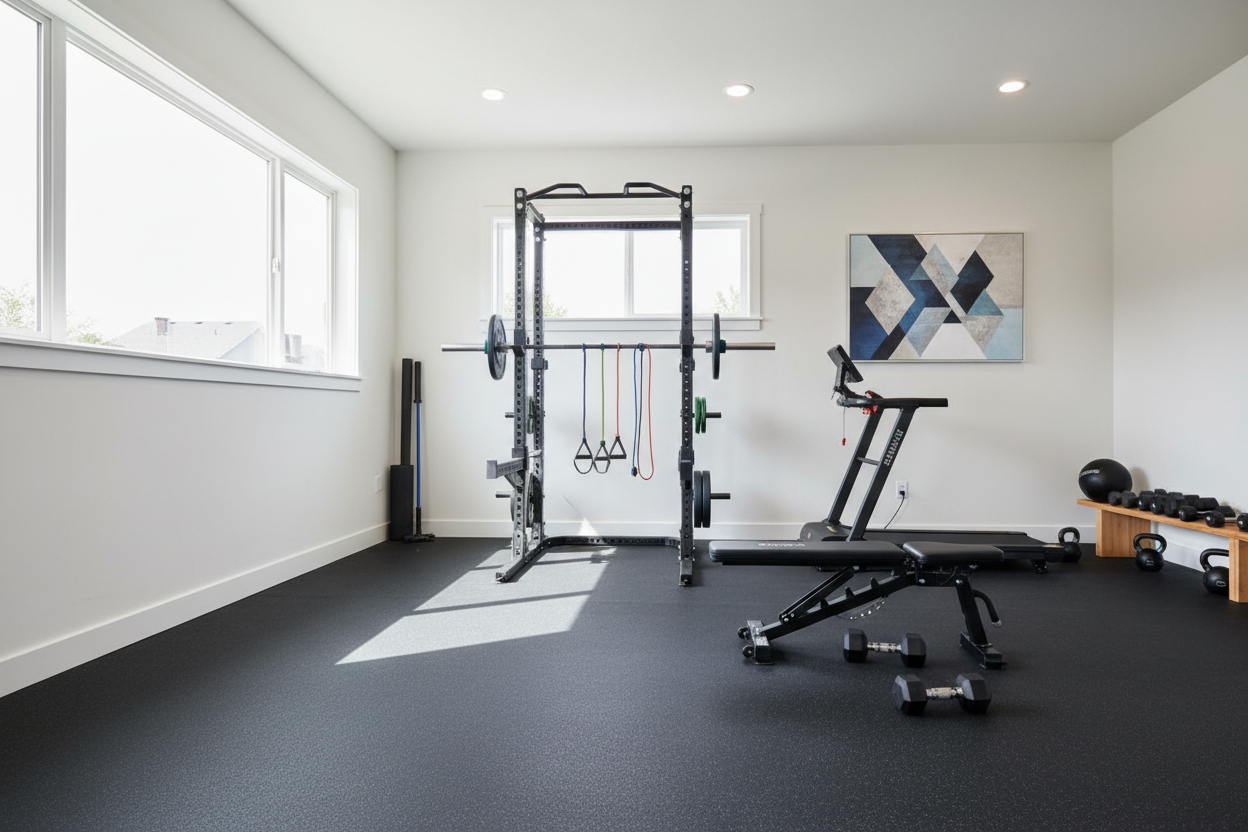
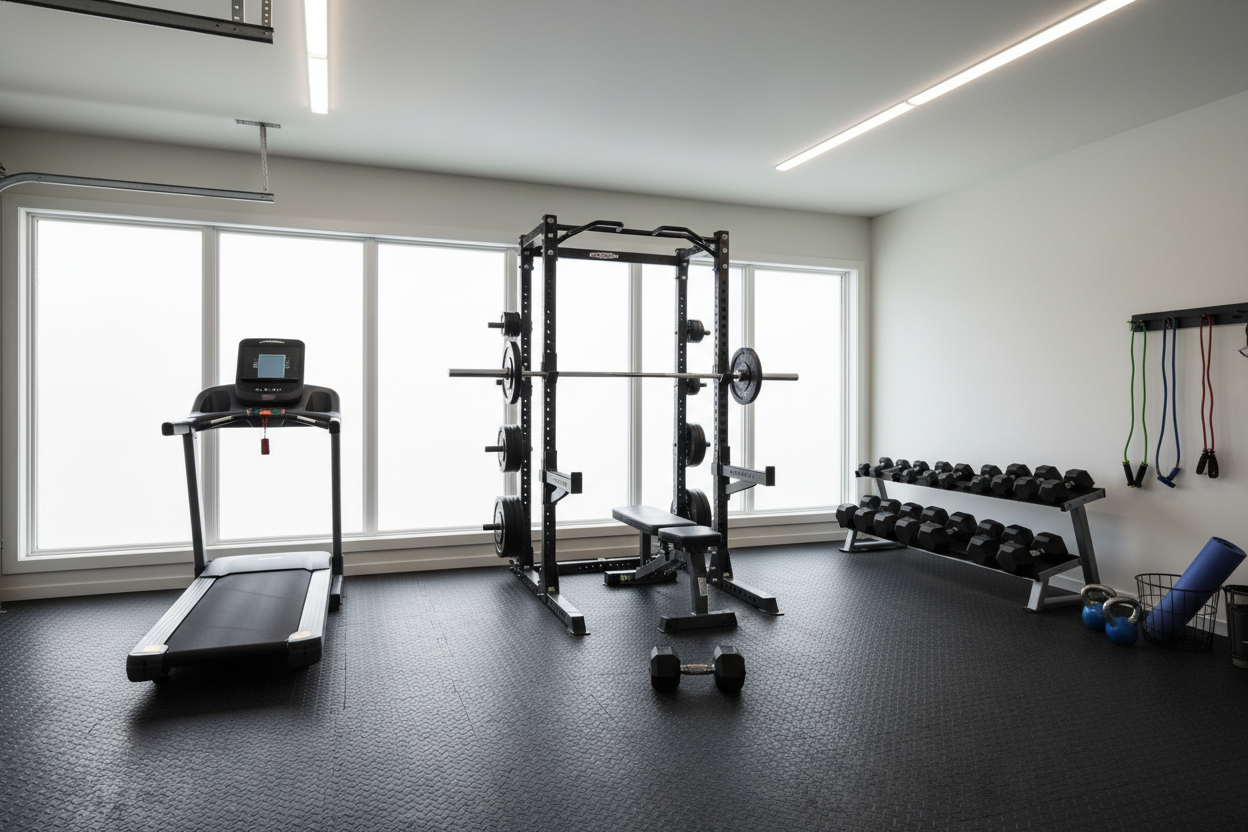
In a home gym environment, this shift is incredibly freeing. You no longer need 400 pounds of bumper plates or a massive functional trainer. By focusing purely on longevity, your equipment needs shrink drastically, saving you both money and floor space.
Top Activities for Health Related Fitness at Home
Cardiovascular endurance often conjures images of endless treadmill running, but heavy machines are terrible for small home gyms. They eat up an 8x3 foot footprint and generate a massive amount of noise. Instead, I program low-impact, high-yield movements that spike the heart rate without rattling the floorboards.
One of the best activities for health related fitness is the kettlebell swing. A single 35-pound kettlebell takes up inches of space but can push your heart rate to 150-160 BPM in less than a minute. I usually have clients perform intervals: 30 seconds of swings followed by 30 seconds of rest for 10 to 15 minutes.
Weighted step-ups are another staple. Using a standard 20-inch plyo box and a pair of 15-pound dumbbells, you can build incredible cardiovascular stamina while simultaneously bulletproofing your knees. If noise is a major concern for downstairs neighbors, skip the jump rope and opt for stationary bear crawls or mountain climbers on a thick 8mm yoga mat to dampen the sound.
Building Muscular Strength and Endurance
Muscular strength and endurance are what keep your spine erect and your bones dense as you age. You do not need a squat rack to build structural integrity. I have built dozens of programs around a simple pair of adjustable dumbbells ranging from 5 to 52.5 pounds. They replace 15 pairs of traditional dumbbells and fit neatly in the corner of a room.
For strength, we focus on the 8 to 12 rep range using movements that recruit multiple muscle groups. Goblet squats, Romanian deadlifts, and floor presses are my go-to choices. Floor presses are especially great for home gyms because they eliminate the need for a bulky weight bench while naturally protecting the shoulders from over-extension.
For muscular endurance, we push the rep ranges to 15 or 20, focusing on time under tension. If you are looking for a solid list of movements to cycle through, these exercises for body fitness provide a great foundation. The goal is to fatigue the muscle safely without compromising your form, ensuring your tendons and ligaments adapt alongside your muscle fibers.
Flexibility and Body Composition Basics
Flexibility is the most neglected pillar of health-related fitness. I cannot tell you how many clients come to me with a 300-pound deadlift but cannot touch their toes or rotate their thoracic spine. In a home gym, your mobility setup requires nothing more than a foam roller and a high-density mat.
I program daily 90-90 hip stretches, passive dead hangs from a doorway pull-up bar, and cat-cow spinal waves. These health-related fitness activities take less than 10 minutes but drastically reduce the risk of injury. A doorway pull-up bar is a $30 investment that decompresses the spine beautifully after a long day of sitting at a desk.
As for body composition, it is a natural byproduct of training the other four pillars consistently. When you build muscle and improve your cardiovascular engine, your resting metabolic rate increases. We do not train specifically for fat loss; we train for performance and longevity, and the body composition shifts organically.
Programming Health-Related Fitness Activities
Throwing random exercises together is a recipe for burnout. A proper home routine balances all five components without overwhelming your central nervous system. I typically program three full-body resistance days and two dedicated cardiovascular and mobility days per week.
A sample Monday might include four sets of goblet squats, dumbbell rows, and push-ups, finishing with a 10-minute kettlebell swing finisher. Tuesday shifts entirely to active recovery: 30 minutes of brisk walking or weighted step-ups, followed by 15 minutes of deep static stretching. This high-low approach keeps your joints fresh.
As you get stronger, you might wonder how to keep challenging yourself with limited equipment. Instead of constantly buying heavier weights, you can manipulate tempo, add pauses, or decrease rest times. Learning the art of progressing without new gear is crucial for long-term home gym success. It keeps your setup minimal while ensuring your body continues to adapt.
Shifting Your Mindset to Functional Longevity
Ditching the commercial gym to train at home requires a mental reset. You have to stop chasing the intense, sweat-drenched fitness fads that leave you broken down for days. The ultimate goal of your home setup is to facilitate consistent, sustainable movement.
When you prioritize joint health and functional longevity over lifting the heaviest possible weight, your relationship with working out changes. It becomes a daily practice of maintenance rather than a grueling punishment. Keep your equipment simple, focus on the five pillars, and build a body that lasts.
Trainer Notes: My Experience with Minimalist Gear
Last year, I tested a highly rated adjustable kettlebell that shifted from 10 to 40 pounds. The space-saving aspect was incredible, fitting perfectly under a living room side table. However, I have to be honest about the downside: during aggressive ballistic movements like heavy snatches, the internal plates had a noticeable rattle. It was distracting and slightly threw off the center of gravity. For standard swings and goblet squats, it was flawless, but for explosive overhead work, I still prefer a cast-iron bell. Always consider the specific movements you will perform before buying adjustable gear.
Frequently Asked Questions
What is the minimum space needed for a health-related fitness routine?
A clear 6x6 foot area is sufficient for 90% of functional movements, including squats, lunges, and floor presses. You just need enough room to lie down flat and extend your arms overhead.
How often should I train cardiovascular endurance at home?
Aim for 150 minutes of moderate-intensity cardio per week. You can break this down into five 30-minute sessions using low-impact movements like step-ups, kettlebell swings, or brisk walking.
Can I improve body composition with just dumbbells?
Absolutely. Adjustable dumbbells provide enough resistance to build lean muscle mass, which in turn elevates your resting metabolism. Combined with proper nutrition, they are highly effective for altering body composition.