A Good Strength Training Book PDF Beats Any $50 Influencer Program
I remember scrolling through social media at midnight, staring at a 315-lb squat plateau that felt more like a brick wall. I almost clicked 'buy' on a $60 'Power-Hypertrophy' template from an influencer who spends more time on lighting than on a platform. I didn't need another flashy spreadsheet; I needed to understand why my bar path was drifting forward and why my recovery was trashed by Wednesday. Downloading a comprehensive strength training book pdf instead of a cookie-cutter program was the best $20 I ever spent on my garage gym.
- Foundation over fluff: Real books teach the 'why' behind the sets and reps.
- One-time cost: A 300-page manual provides years of programming, not just 4 weeks.
- Biomechanics matter: Learning joint angles prevents the injuries that keep you out of the gym.
- Progression logic: You'll learn how to adjust your own weights when you hit a wall.
The Problem With Modern Fitness Downloads
Most digital fitness products sold today are nothing more than glorified grocery lists. You get a PDF with a few tables, some exercise names you have to Google, and zero explanation of the logic. These creators want you to stay dependent on them. If the 4-week 'shred' doesn't work, they hope you'll buy the 8-week 'bulk' next. It is a cycle of paying for data without receiving any actual education.
Don't Pay $50 for a 12-Week Strength Training Program PDF when that money could buy you a foundational text written by a coach with forty years of experience. Most of these influencer spreadsheets ignore the most important variable: your individual recovery capacity. They give you a fixed volume and tell you to 'grind,' which is a fast track to tendonitis and burnout. A real book explains how to scale that volume based on how you actually feel when you step under the bar.
Why Reading a Real Strength Training Book PDF Changes Everything
When you download a legitimate 300-page strength manual, you aren't just getting a workout. You're getting a degree in your own physiology. These texts dive deep into the physics of the human body. They explain leverage, moment arms, and how the length of your femur changes how you should squat. Once you see the math behind a lift, you stop guessing. You start training with intent.
A solid manual also covers the boring stuff that actually drives gains: sleep cycles, caloric surplus vs. deficit, and central nervous system fatigue. You learn that more isn't always better. I spent years thinking I wasn't working hard enough, only to read a foundational text and realize I was overtraining my accessory movements and robbing my main lifts of the energy they needed. That realization alone added 40 pounds to my deadlift in two months.
The Only 3 Chapters You Actually Need to Care About
Let's be honest: some of these manuals are dense. You don't need to be a kinesiologist to get strong. Most of the time, you can skip the deep dives into cellular ATP production and focus on the meat of the book. There are three specific sections that will do 90% of the heavy lifting for your progress.
The Mechanics of the Big Four
If the book doesn't have a massive section on the squat, bench press, deadlift, and overhead press, delete it. You need to understand where the bar should sit on your back and why your elbows shouldn't flare on a bench press. This isn't just about safety; it's about force production. If your mechanics are off, you're leaving weight on the floor. I've seen guys add 20 pounds to their press just by fixing their grip width after reading a single chapter on forearm verticality.
Programming and Progression Models
This is where you learn how to fish. A good book explains linear progression for beginners—where you just add five pounds every session—and then shows you how to transition into periodization as you get stronger. You need to know when to back off. If you don't understand the concept of a 'deload,' you will eventually break. Understanding these models allows you to look at any program and immediately see if it's junk or a masterpiece.
Read the Book, Then Run the Program As Written
The biggest mistake I see is 'Franken-programming.' A lifter downloads a solid strength training book pdf, looks at the perfectly balanced routine, and immediately thinks, 'I should add four sets of incline curls and some lateral raises to this.' Stop it. The author spent decades refining that balance. If you add extra volume, you're messing with the recovery curve they've already calculated for you.
You need to Stop Modifying Your Strength Training Program PDF on Day Two. Give the baseline routine at least twelve weeks. If you aren't seeing results after three months of following the instructions to the letter, then you can talk about adjustments. Most lifters fail not because the program was bad, but because they couldn't stop tinkering with it long enough to let it work.
Adapting Textbook Routines to Your Garage Gym
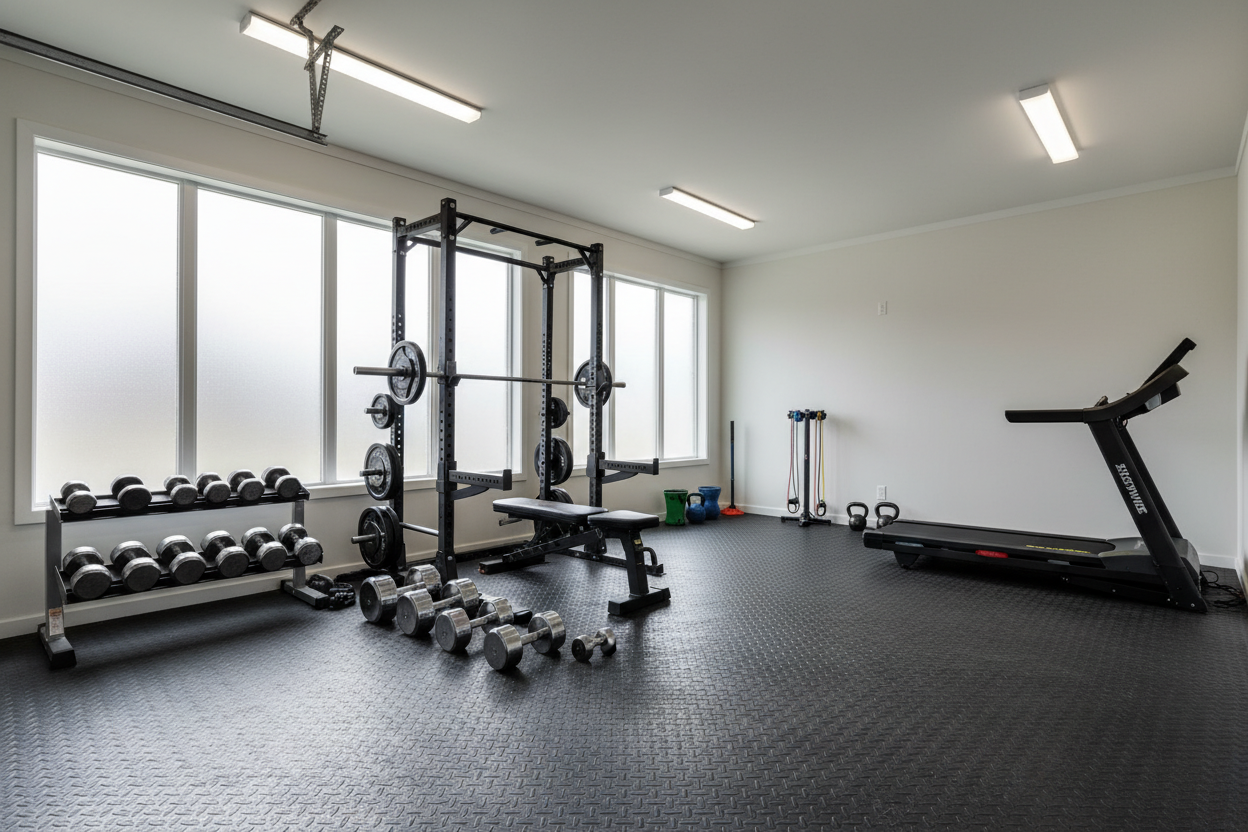
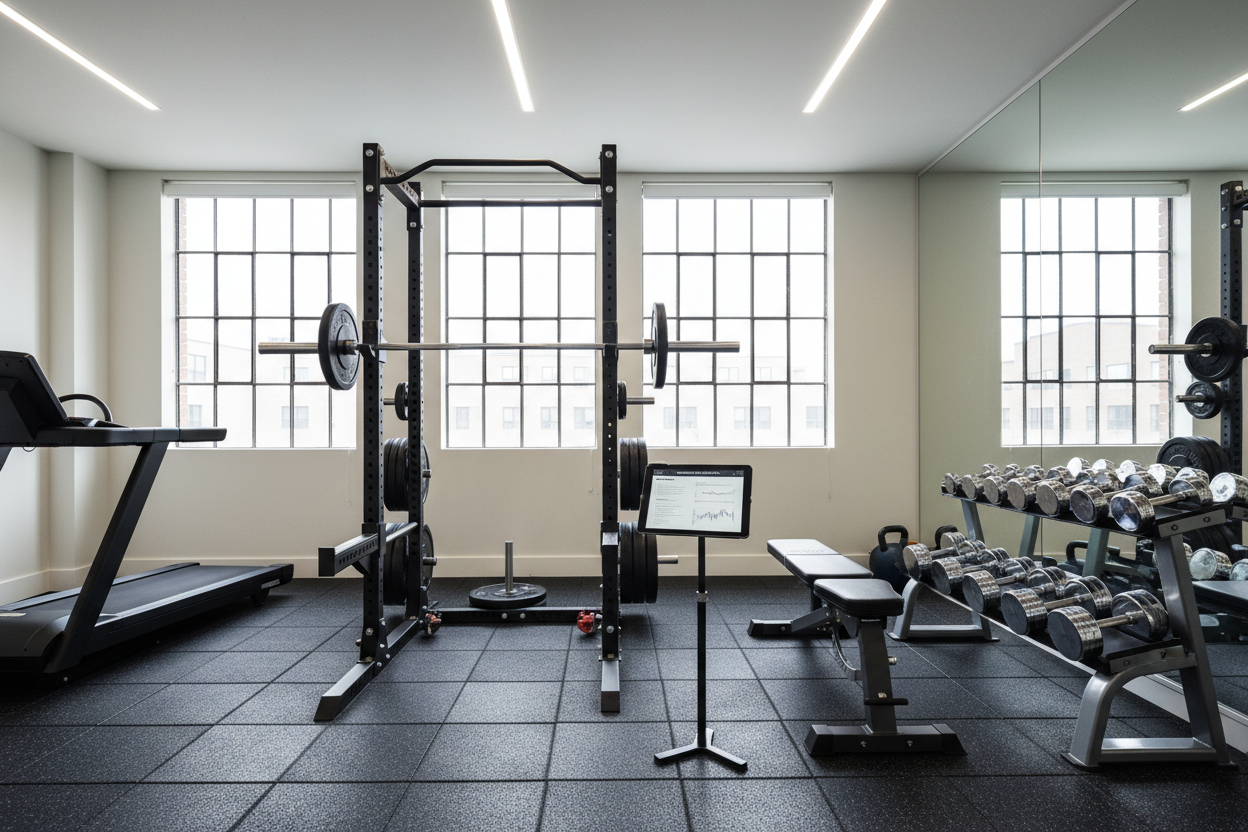
Many classic strength books were written with a specific set of tools in mind: a power rack, a barbell, and a lot of iron. If you're training in a garage, you're actually in the best position to follow these programs. You don't need fancy cable crossovers or 15 different machines. You just need the basics to execute the big compound movements.
Focus your budget on high-quality strength equipment like a rack with 11-gauge steel and a barbell with a decent knurl. When a book calls for a specific accessory you don't have—like a leg press—don't panic. You can usually swap it for Bulgarian split squats or lunges. As long as you keep the primary barbell work as the 'main course,' your home gym setup will be more than enough to take you from a novice to an advanced lifter.
Personal Experience: My DIY Disaster
Early in my training, I tried to write my own program based on what I saw in muscle magazines. I was doing 20 sets of chest on Mondays and wondered why my shoulders felt like they were full of broken glass. It wasn't until I actually read a proper strength manual that I realized I had zero balance between my pushing and pulling movements. I spent six months correcting imbalances that I could have avoided if I'd just spent ten minutes reading a chapter on structural balance. Learn from my ego; read the book first.
FAQ
Do I need a physical copy or is a PDF fine?
A PDF is great because you can keep it on your phone for quick reference at the rack. However, I usually print out the specific programming tables so I can scribble my weights directly on the paper without getting chalk all over my screen.
How long should I spend reading before I start?
Read the chapters on the four main lifts and the first month of the programming section. That takes maybe two hours. You can read the deep-dive science chapters later while you're recovering between sessions.
Can I use these books if I only have dumbbells?
Most foundational strength books are barbell-centric because it's easier to load a barbell in small, 5-pound increments. You can adapt the movements to dumbbells, but you'll eventually run out of weight or struggle with the 'jump' between dumbbell sizes.