A Beginner Weight Training Program for Women That Skips the BS
I remember the first time I walked into a big-box gym. A trainer immediately pointed me toward the 'express' circuit—a row of dusty machines designed to keep me in a seated position doing 20-rep sets with weights that felt like nothing. It’s patronizing. If you are tired of the 'toning' myths and want to actually change your body composition, you need a real beginner weight training program for women that treats you like an athlete.
- Compound movements (squats, deadlifts) are the most efficient way to build muscle.
- Rest days are non-negotiable for recovery and growth.
- Track every single set; if you aren't tracking, you aren't training.
- Safety gear like a power rack is essential for lifting heavy at home alone.
Why Most 'Beginner' Plans Set You Up to Fail
Most beginners weight training routine female options you find on social media are just cardio in disguise. High-rep circuits with light dumbbells might make you sweat, but they won't build the structural strength that protects your joints and revs your metabolism. The fitness industry loves to sell the 'lean and toned' lie because it keeps you coming back for more classes rather than getting strong and moving on.
Lifting heavy is the actual shortcut. When you focus on a women's beginning weight training routine that prioritizes progressive overload, you see changes in weeks, not months. You don't need to spend two hours on a treadmill. You need to pick up a heavy barbell, put it down, and repeat that until your body has no choice but to adapt.
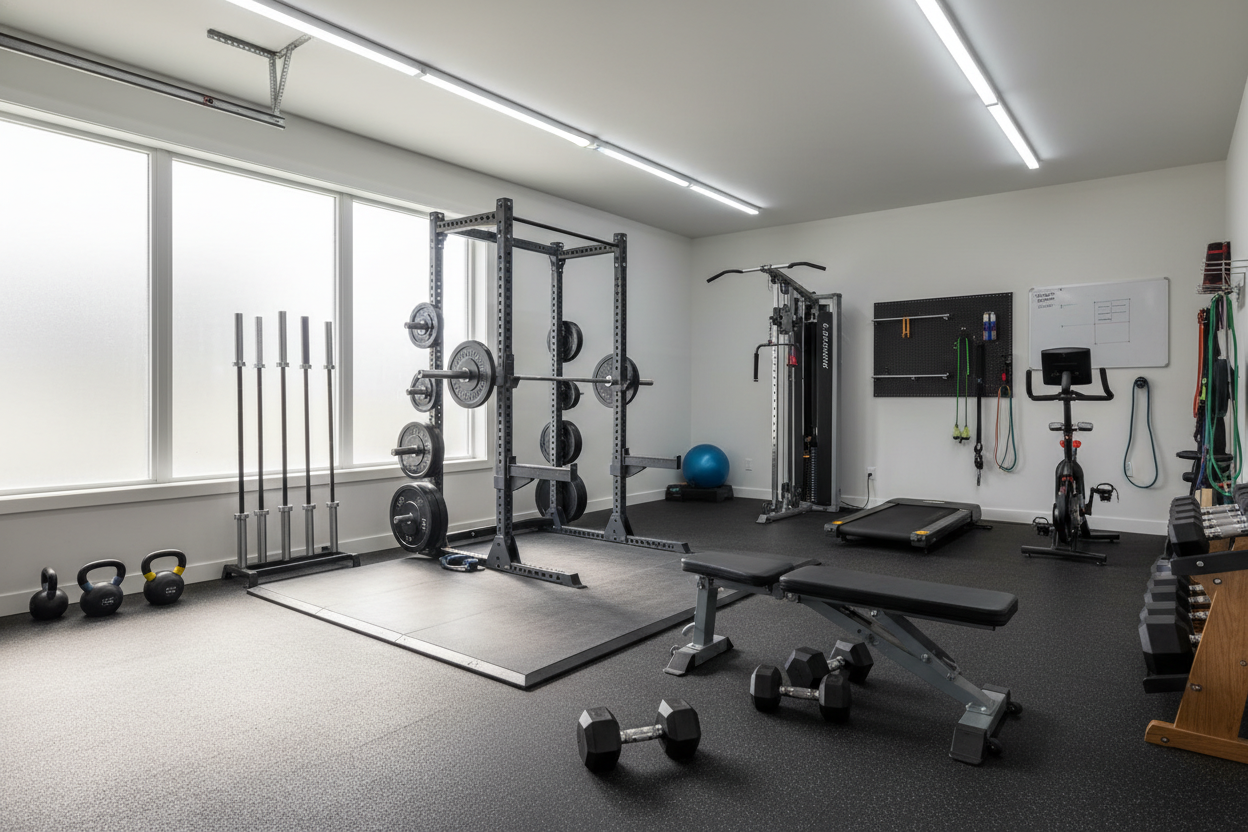
Gear Check: What You Actually Need in Your Garage
Stop buying those colorful neoprene dumbbells that stop at 10 pounds. You'll outgrow those in two weeks of a proper beginner strength training female program. To do this right at home, you need a solid foundation. I’ve seen people try to squat off the back of a couch or use water jugs—don't do that. It’s dangerous and limits your progress.
If you're serious about training alone, the Gxmmat X6 Power Rack Weight Bench Package is the kind of setup that actually makes sense. It gives you a 1,000-lb capacity cage and a stable bench, meaning you can push your limits on the bench press or squat without needing a spotter to save your neck. You need a 20kg (45lb) Olympic barbell and at least 160 lbs of plates to start.
The 4 Movement Patterns You Must Master First
Every effective beginner weight lifting program for women is built on four pillars: the squat, the hinge, the push, and the pull. If you master these, you can do anything. The squat builds the legs and core; the hinge (deadlift) targets the posterior chain; the push (bench/overhead press) builds shoulders and chest; and the pull (rows/pull-ups) creates a strong back.
Don't get distracted by fancy isolation machines. Choosing The Best Strength And Weight Training Equipment For Your Goals starts with a high-quality barbell. A bar with a 25mm or 28.5mm diameter is usually better for female lifters with smaller hands, as it allows for a more secure grip during heavy deadlifts. Focus on form first, but don't stay at a 'comfortable' weight for too long.
The 3-Day Barbell and Dumbbell Schedule
Consistency beats intensity every time. You don't need to be in the gym six days a week. Three days of focused, heavy lifting is plenty for a female beginner weight lifting plan. Read This Before Printing a Free Weight Strength Training Program PDF because many of those templates are bloated with 'junk volume' that just burns you out without adding strength.
Day 1: Lower Body and Core Stability
We start with the King: the Back Squat. Aim for 3 sets of 5-8 reps. Focus on keeping your chest up and your knees tracking over your toes. Follow this with Romanian Deadlifts to hit the hamstrings. These hinges are vital for building a durable lower half and improving posture. Finish with a 30-second plank to keep the core engaged under load.
Day 2: Upper Body Push and Pull
Today is about the Bench Press and the Bent-Over Row. I highly recommend using a Gxmmat Adjustable Weight Bench so you can swap between flat and incline presses. Incline work is great for targeting the upper chest and shoulders. For rows, keep your back flat like a table. If your back starts rounding, the weight is too heavy—drop it down and keep the form tight.
Day 3: Full Body Integration
The final day ties it all together. We do Overhead Presses and Lunges. Lunges are a 'love-to-hate' movement, but they fix muscle imbalances like nothing else. Finish the week with Farmer's Carries—grab the heaviest dumbbells you can hold and walk for 40 yards. It builds grip strength and total-body stability that translates directly to real-life tasks.
When to Increase the Weight (And Why You Have To)
The biggest mistake I see in women's beginner strength training routine setups is staying with the same weight for months. If you did 10 reps easily today, you must add weight next time. Even adding 2.5-lb 'micro-plates' makes a difference. This is called progressive overload, and it is the only way to ensure your muscles keep growing. If it doesn't challenge you, it won't change you.
Personal Experience
When I started, I was terrified of the squat rack. I stuck to the leg press machine for six months because I didn't want to look 'clumsy' with a barbell. My progress was non-existent. The moment I swallowed my pride, grabbed a bar, and learned to squat properly, my strength exploded. I also learned the hard way that lifting in squishy running shoes is a recipe for rolled ankles. Buy flat-soled shoes or lift in socks.
FAQ
Will lifting heavy make me 'bulky'?
No. Women don't have the testosterone levels to accidentally turn into a bodybuilder overnight. You'll just look firmer and feel significantly stronger.
How long should I rest between sets?
Take 2-3 minutes. If you are ready to go in 30 seconds, you didn't lift heavy enough. Your central nervous system needs time to recover so you can hit the next set with full power.
Can I do cardio on my off days?
Sure, but keep it low-impact. A long walk or a light swim is fine. Avoid high-intensity interval training (HIIT) on rest days, as it will eat into the recovery your muscles need to actually grow stronger.