24 Hour Fitness Equipment: The Definitive Guide for Serious Lifters
Walking into a new gym can feel like a blind date. You hope there’s chemistry, but mostly, you just want to know if they have what you need to get the job done. If you are considering a membership, understanding the quality and variety of 24 hour fitness equipment is the deciding factor between signing a contract and walking away.
Many commercial gyms hide behind flashy marketing, but does this chain actually stock the heavy-duty racks, specific cardio machines, and functional gear necessary for a complete program? Let's break down exactly what you will find on the floor.
Quick Summary: What's Inside the Gym?
If you are looking for a fast answer regarding the 24 hour fitness machine list and amenities, here is the standard loadout you can expect at most Super Sport and Active locations:
- Cardio Fleet: Primarily Precor and Life Fitness models (Treadmills, Ellipticals, Stairmasters).
- Free Weights: IGX or Troy rubberized dumbbells (usually up to 100-120 lbs) and standard Olympic barbells.
- Strength Machines: Hoist Roc-It lines and Matrix selectorized machines for isolation work.
- Functional Area: TRX suspension straps, kettlebells, medicine balls, and small turf zones (location dependent).
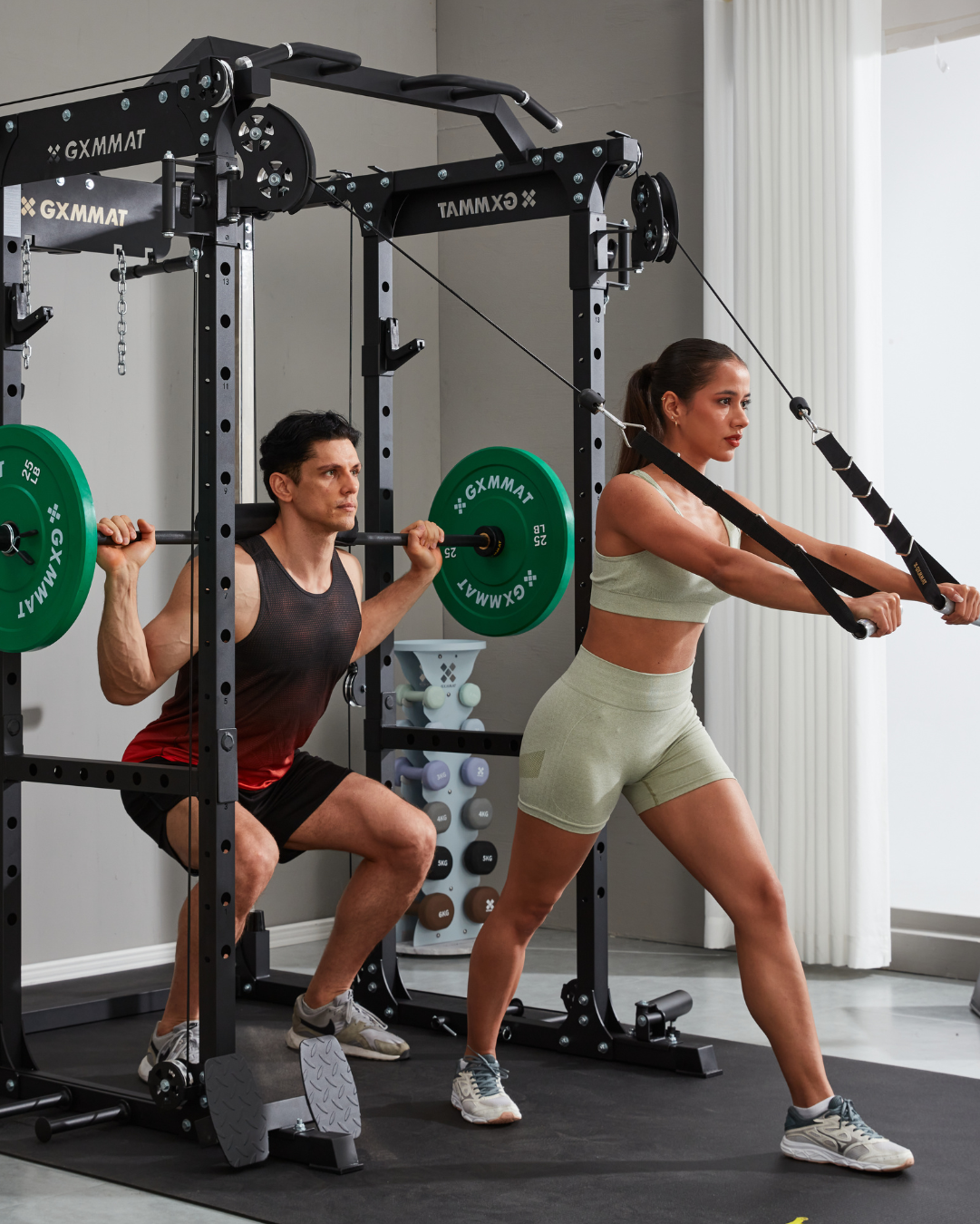
- Racks: Usually 2-4 power cages or squat racks per location, plus Smith machines.
The Cardio Deck: Brands and Durability
For many, the cardio section is the first stop. The 24 hour fitness treadmill brand of choice is almost universally Precor, specifically the 800 or 900 series. These are workhorses known for their shock absorption, which saves your knees during long steady-state sessions.
Beyond the treadmill 24 hour fitness selection, you will find a heavy emphasis on elliptical 24 hour fitness machines (usually Precor AMTs—Adaptive Motion Trainers) and StairMaster Gauntlets. If you are looking for a 24 hour fitness rowing machine, most locations stock Concept2 rowers, though they are often tucked away in the functional training area rather than the main cardio row.
Free Weights and Heavy Lifting
The biggest question for serious lifters is: does 24 hour fitness have free weights capable of supporting a powerlifting or bodybuilding routine? The answer is yes, but with caveats.
Dumbbells and Benches
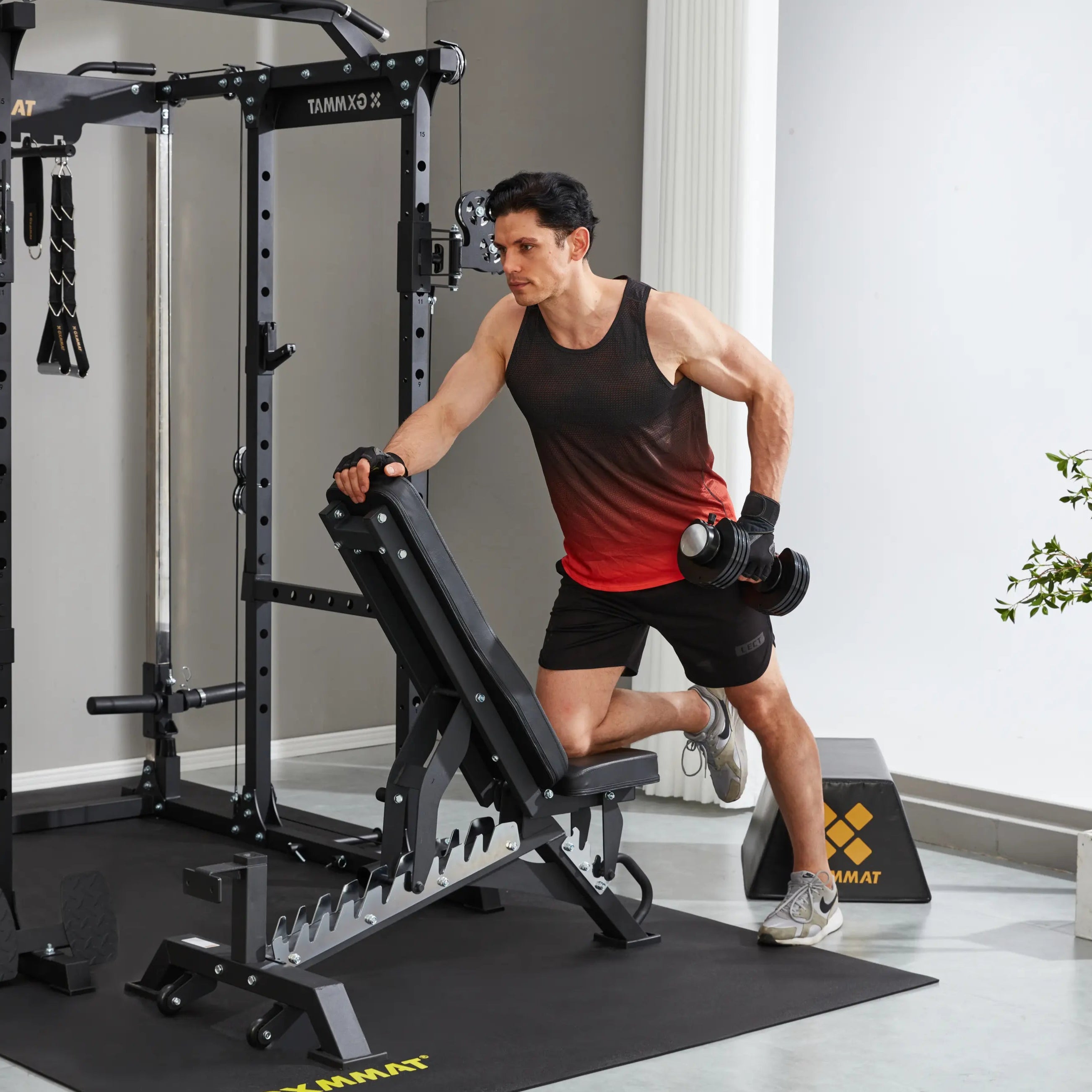
The 24 hour fitness dumbbells are typically rubber-encased hex dumbbells or round IGX pro-style weights. Most racks run from 5 lbs up to 100 lbs, with some legacy locations going up to 120 lbs. You will usually find 3-4 flat benches and 2-3 adjustable incline benches in the free weight area, though getting one during peak hours (5 PM - 7 PM) can be a battle.
Squat Racks and Barbells
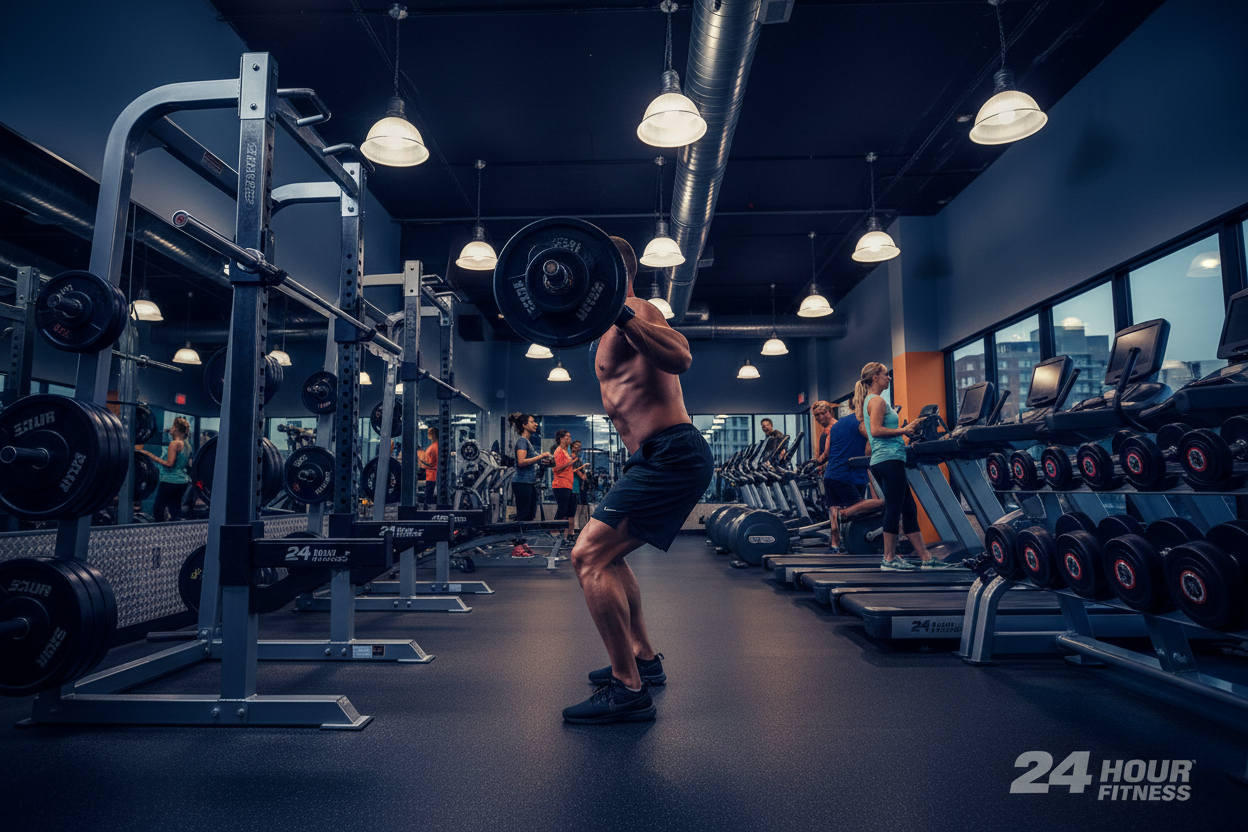
Regarding 24 hour fitness weights for compound movements, most clubs have moved away from strict bodybuilding vibes but still maintain 2 to 4 squat racks or power cages. The barbells are standard commercial oxide bars—decent for general lifting, but the spin and knurling aren't comparable to a dedicated powerlifting bar like a Texas Power Bar.
Selectorized and Cable Machines
If you prefer isolation work, the machines at 24 hour fitness cover every body part. They lean heavily on the Hoist Roc-It line. These are the machines that slightly rock or tilt as you perform the rep. While great for beginners learning body mechanics, some advanced users find the movement distracting.
Leg and Ab Machines
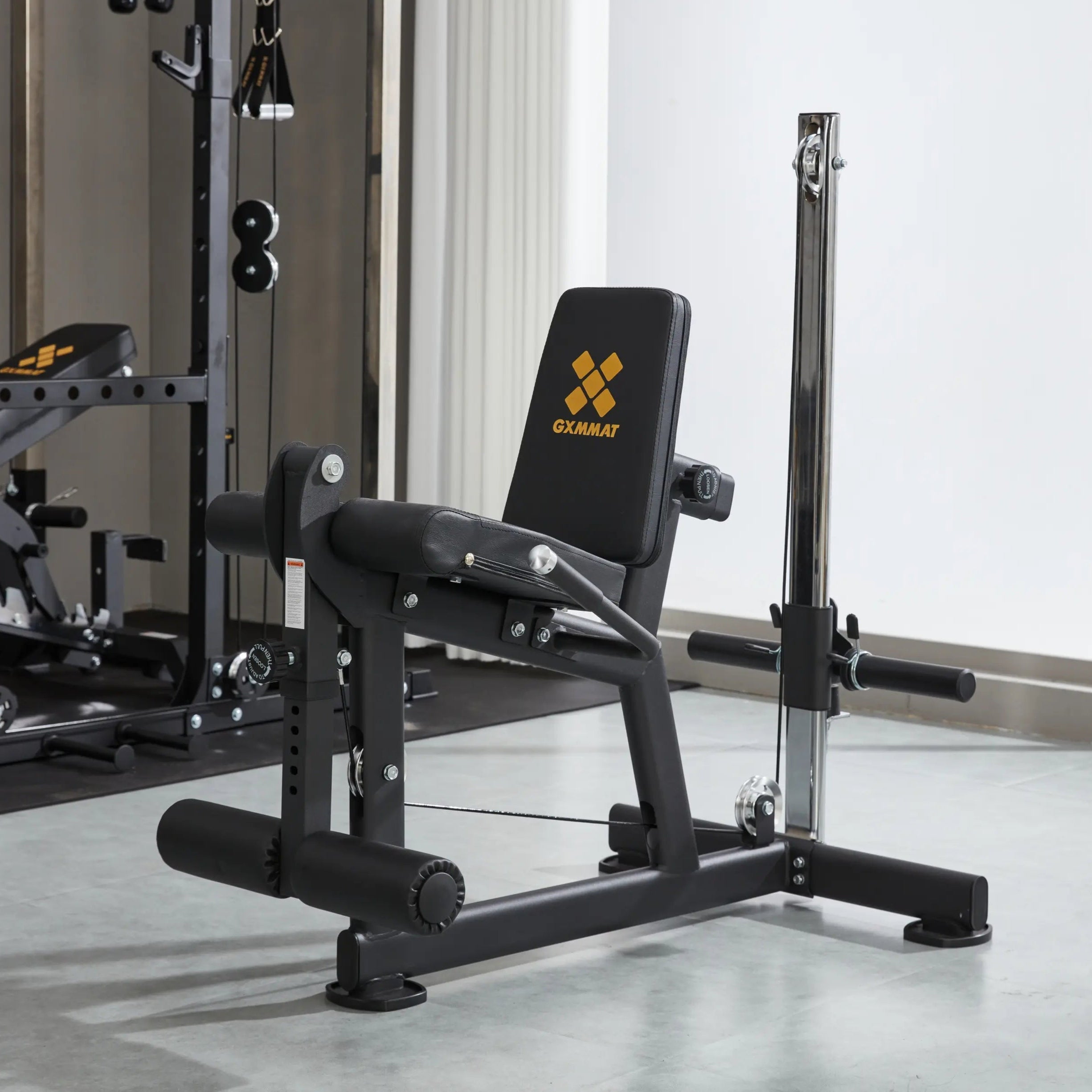
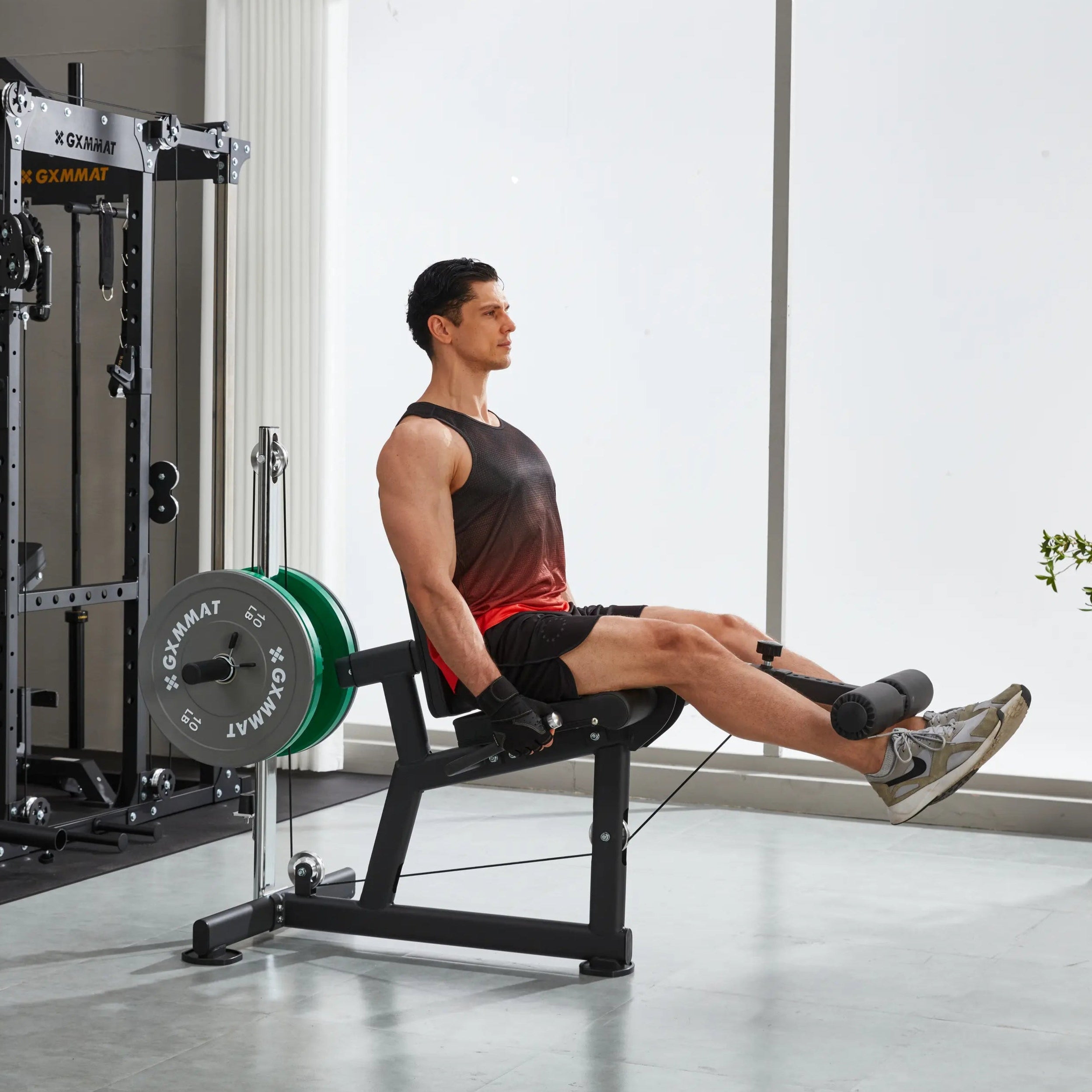
The leg machines at 24 hour fitness include the staples: 45-degree leg presses, lying leg curls, and leg extensions. A standout feature in many clubs is the 24 hour fitness ab machine selection. You aren't limited to just a crunch machine; look for the rotary torso machines and the hanging leg raise stations (Captain's Chairs) which are essential for core development.
My Training Log: Real Talk on 24 Hour Fitness Gear
I’ve trained at over a dozen 24 Hour Fitness locations, ranging from the basic "Active" clubs to the higher-tier "Super Sports." Here is the unpolished truth about the equipment at 24 hour fitness that you won't see on the brochure.
The first thing I always notice is the knurling on the dumbbells. In the older clubs, the rubber grip on the 40lb and 50lb dumbbells is often worn smooth or feels weirdly sticky from years of sweat and cleaning solution. I highly recommend bringing your own liquid chalk or grips if you plan on going heavy, because once your palms get sweaty, those handles get slick.
Another specific quirk is the cable crossover machines. They are almost always occupied, but when you do get one, check the cable housing. I’ve found that on the tricep pushdown stations, the rubber stopper is often missing, meaning the weight stack clangs loudly metal-on-metal if you aren't controlling the eccentric phase perfectly.
Lastly, regarding the 24 hour fitness amenities and turf areas: they are great in theory, but often the turf strips are placed right next to the high-traffic walkways. I’ve been mid-kettlebell swing and had to stop abruptly because someone was cutting through the "functional zone" to get to the locker room. It gets the job done, but you have to be spatially aware.
Conclusion
Ultimately, 24 hour fitness gym equipment is reliable, abundant, and standard for the commercial gym industry. While it lacks the niche specialty bars of a hardcore powerlifting dungeon, it offers enough variety in machines and free weights to build a serious physique if you are consistent.
Frequently Asked Questions
What brands of equipment does 24 Hour Fitness use?
The chain primarily uses Precor and Life Fitness for cardio. For strength and selectorized machines, you will mostly find Hoist, Matrix, and Hammer Strength. Free weights are typically IGX or Troy.
Are there deadlift platforms at 24 Hour Fitness?
This varies by location. Newer "Super Sport" clubs often have designated Olympic lifting platforms with bumper plates, while older clubs may only have rubber flooring where deadlifts are permitted but not on a dedicated wood platform.
How often is the equipment maintained?
Maintenance schedules depend on the club's general manager, but generally, broken cables or out-of-order treadmills are serviced by third-party technicians. In high-traffic clubs, you might see a "Out of Order" sign on a popular machine for a week or two before parts arrive.