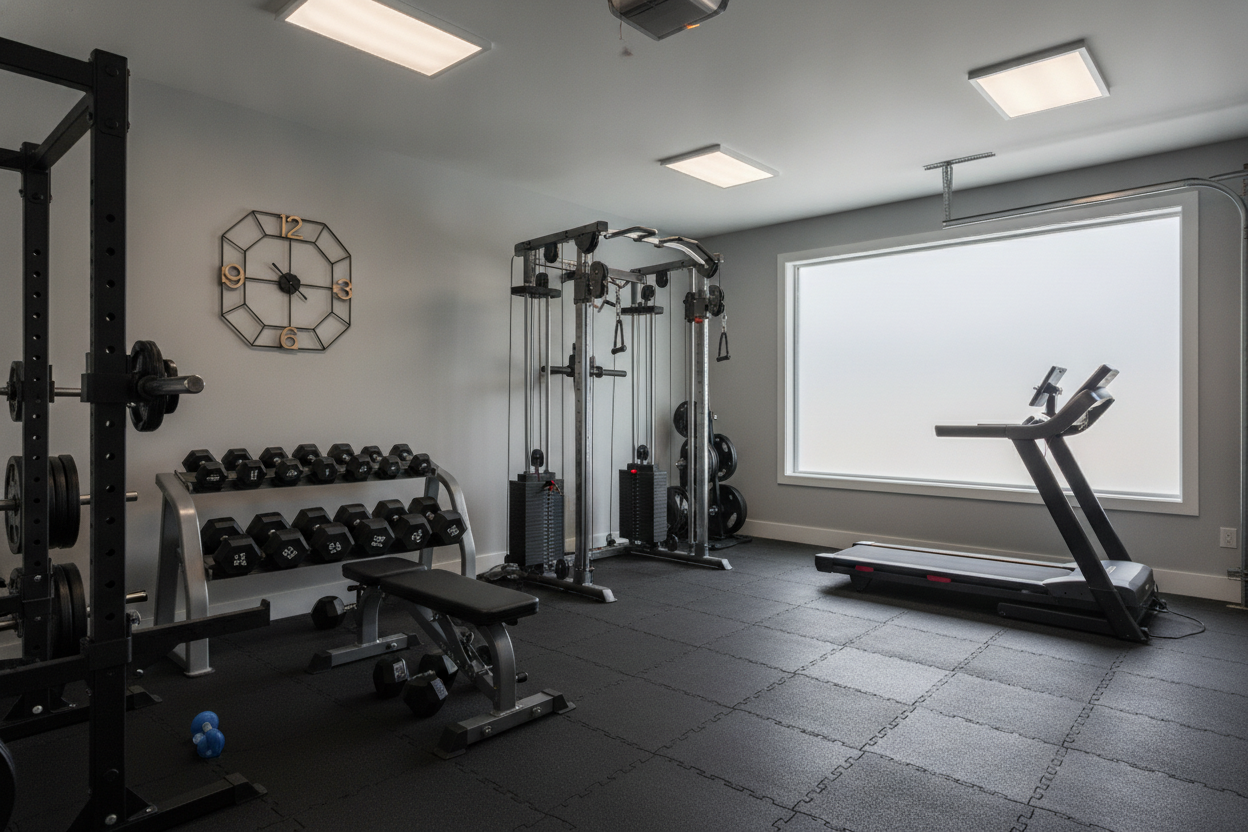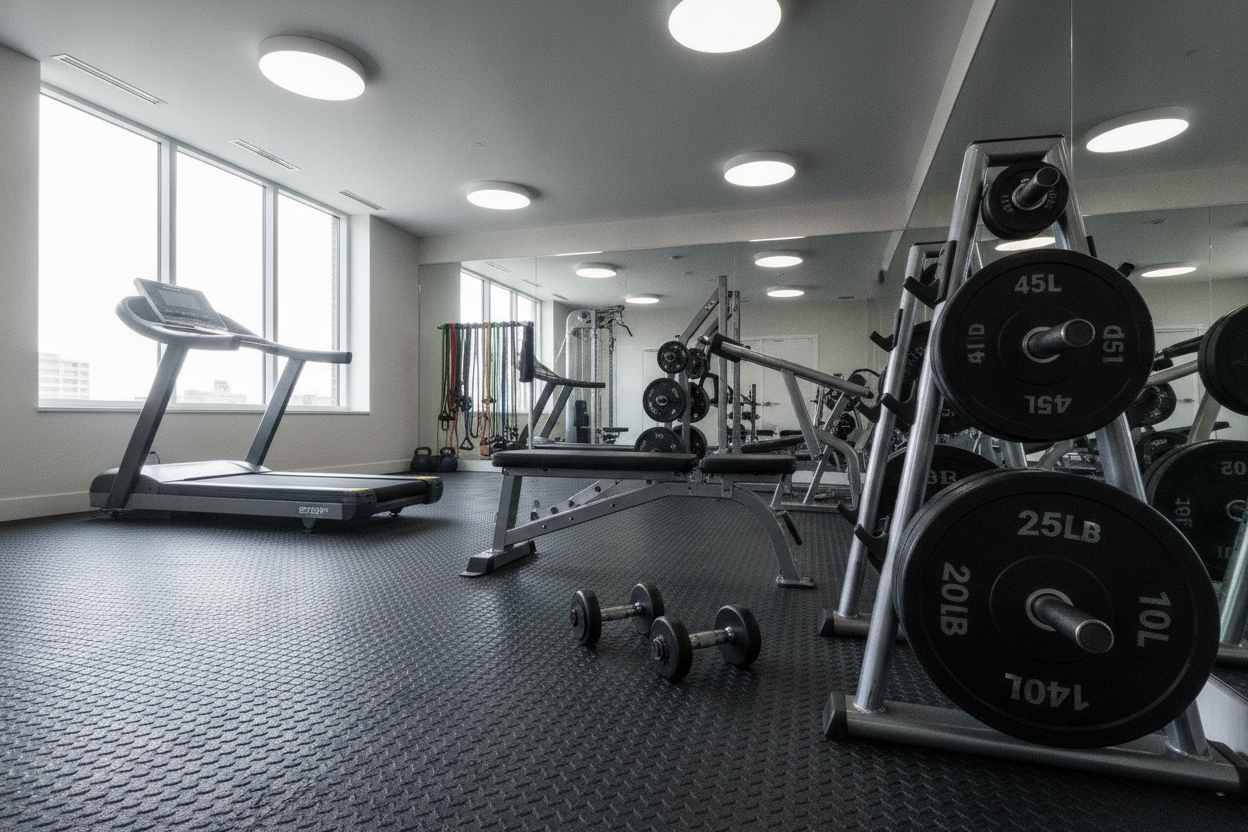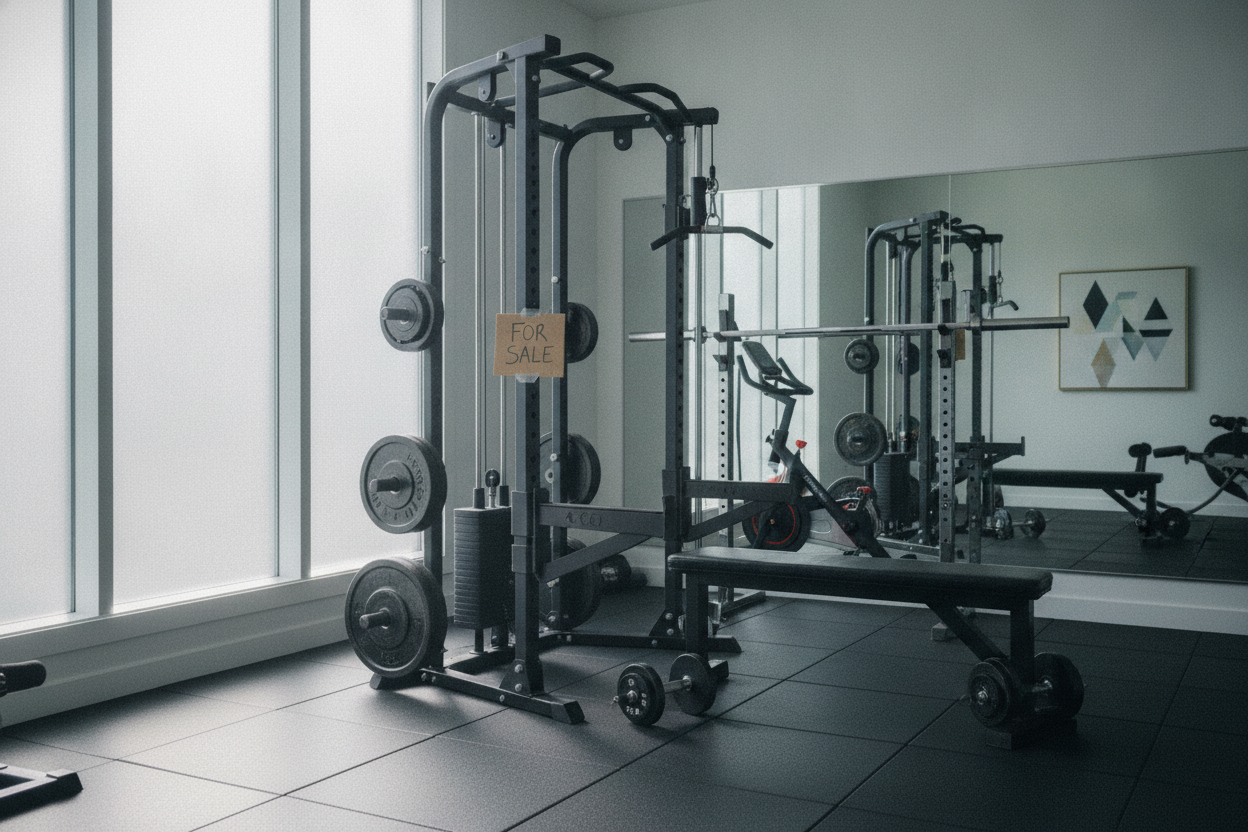
Why I Finally Stopped Clicking on Every Weights Machine for Sale
I’ve spent too many Sunday mornings staring at a blurry photo of a 1998 Bowflex or a generic 4-stack station, convincing myself I could fit it between my car and my lawnmower. We’ve all been there—trying to justify a weights machine for sale because it’s 70% off the retail price and promises to replace every dumbbell in the house.
But after hauling a 600-pound functional trainer up a flight of stairs only to realize the cables were held together by hope and duct tape, I’ve learned my lesson. Most of these deals are just expensive ways to clutter your garage with non-functional scrap metal. If it looks too good to be true on Marketplace, it’s probably because the owner just wants you to do the heavy lifting of moving it to the dump for them.
- Most residential multi-stations have terrible leverage and inconsistent resistance.
- Replacement parts for discontinued models are nearly impossible to source.
- Commercial-grade gear is worth the hunt; big-box store gear is almost never worth the truck rental.
- Check guide rods for pitting and rust before you even think about loading the trailer.
The Illusion of the All-in-One Garage Gym Solution
The dream is simple: one machine, every muscle group. You see a massive multi-station and think you’re saving thousands on a rack, plates, and cables. Then reality hits when you realize it takes up a 10x10 footprint and requires three people and a specialized hex key set just to get it through the door. I once spent four hours disassembling a machine only to find it wouldn't fit through my 32-inch basement door anyway.
Most home-grade machines use plastic pulleys and thin-gauge steel. They feel fine with 20 pounds on the stack, but once you try to move 150 pounds on a chest press, the frame flexes more than your pecs do. It is not a gym; it is a giant paperweight that prevents you from actually training with intensity.
What You Actually Get When You Buy Used Machines
When people list weights machines for sale, they usually omit the fact that the unit sat in a humid basement for five years. You’re not just buying the steel; you’re buying the neglect. Before you commit your Saturday to a drive, you have to spot the red flags on any weight lifting machine that has been sitting idle.
I once drove two hours for what looked like a pristine lat pulldown. In the photos, it was glowing. In person, the weight stack was so seized I had to kick it to make it move an inch. The owner forgot to mention the flood damage that had fused the weights together. If the seller won't send a video of the weight stack moving, stay home.
Rusted Guide Rods and Frayed Cables
Friction is the enemy of a good workout. If the guide rods are pitted or rusted, the weight stack will stutter on the way down, ruining your eccentric phase. Worse, frayed cables are a ticking time bomb. Nothing ends a workout faster than a steel cable snapping near your face mid-row because the previous owner never lubricated the pulleys.
The Missing Parts You Can Never Order Again
This is where the bargain dies. If you buy a machine from a brand that went bust in 2012, good luck finding a replacement pulley wheel or a specific pop-pin. I’ve seen guys try to use hardware store bolts as pins, which is a great way to shear a bolt and drop 200 pounds on your toes. If the selector pin is missing, walk away unless it is a standard 3/8-inch size.
Navigating a Commercial Gym Machine Sale Like a Pro
There is a massive difference between a garage sale find and a legitimate gym machine sale from a club that is upgrading its floor. Commercial gear is built for 18 hours of daily abuse. It is heavy, it is over-engineered, and it is usually worth the effort to move because it actually holds its value.
I’ve spent a lot of time in this world, and I even flipped used gym equipment and weights for sale for a while to fund my own rack. The pros look for brands like Hammer Strength, Life Fitness, or Precor. If you see these at a liquidation, move fast, but bring a socket set and a friend with a strong back. These machines often weigh 400 to 800 pounds and do not come apart easily.
The Only 2 Times Buying Used Selectorized Gear Makes Sense
First, if it is a high-end commercial piece for under $500. Even if it needs new cables (which you can custom order), the frame and the stack are worth the investment. Second, if it is a specific piece you can’t replicate with free weights, like a dedicated leg press or a functional trainer with a 2:1 ratio that fits your specific ceiling height.
Otherwise, stick to a power rack and some iron. You will save space, money, and the massive headache of trying to fix a machine that was never meant to last. Most weights machines for sale are just distractions from the hard work of basic barbell training.
FAQ
How do I check if a weight stack is smooth?
Move the stack through the full range of motion without any weight pinned. If you feel any grinding or catching, the guide rods are likely bent or the bushings are shot. It should feel like it is sliding on glass.
Can I replace cables on any machine?
Technically, yes. Specialized shops can custom-make cables if you have the exact length and terminal ends. Just factor that $100 plus cost into your deal price before you hand over the cash.
Is a Smith machine worth buying used?
Only if the bearings are linear. If it uses plastic bushings that slide on the rods, it will feel like garbage within a month of heavy use. Look for the silver rods, not the painted ones.