Why I Automatically Ignore Almost Every New Fitness Product
I have a corner in my garage I call the 'Graveyard of Good Intentions.' It is filled with plastic rollers, 'revolutionary' resistance gadgets, and a vibration plate that currently serves as a very expensive shelf for my chalk bucket. I bought into the hype more times than I care to admit. Every time a new fitness product pops up on my feed with high-production slow-mo shots and a promise to 'unlock' my gains, I have to remind myself of that graveyard.
Quick Takeaways
- Marketing budgets usually dwarf engineering budgets in the fitness industry.
- Floor space is your most valuable currency; don't spend it on single-use gadgets.
- Wait at least 90 days for the 'v2' or for real-world durability reviews to surface.
- If it has a proprietary battery or a subscription screen, it has an expiration date.
The Instagram Hype Cycle (And Why We Fall for It)
The fitness industry is a masterclass in psychological warfare. They know you are frustrated with a plateau or bored with your current split. That is when the targeted ads hit. You see a sleek, matte-black piece of gear that looks like it belongs on a spaceship, and suddenly your old-school iron plates feel obsolete. But here is the cold truth: 90% of these 'innovations' are just clever marketing designed to solve problems that do not exist.
I have tested handles that claimed to 'optimize' my pull-down angle by 3.5 degrees, only to find they felt like cheap plastic the second I loaded more than 100 pounds. The hype cycle relies on the 'shiny object syndrome.' It is easier to buy a new tool than it is to stick to a boring, effective program for six months. Manufacturers know this. They wrap a basic resistance band in a nylon sleeve, call it a 'Total Body System,' and charge you a 400% markup. I have seen it a thousand times.
Most of these companies are not run by lifters; they are run by venture capitalists looking for the next 'disruptor.' They prioritize aesthetics over the 'thud' test. If I drop a piece of gear from waist height and it cracks, it is not an innovation—it is a toy. Real gear should be able to take a beating in a non-climate-controlled garage for a decade without flinching. If the marketing is more polished than the product's welds, keep your credit card in your pocket.
My 3-Question Test Before Adding Anything to the Garage
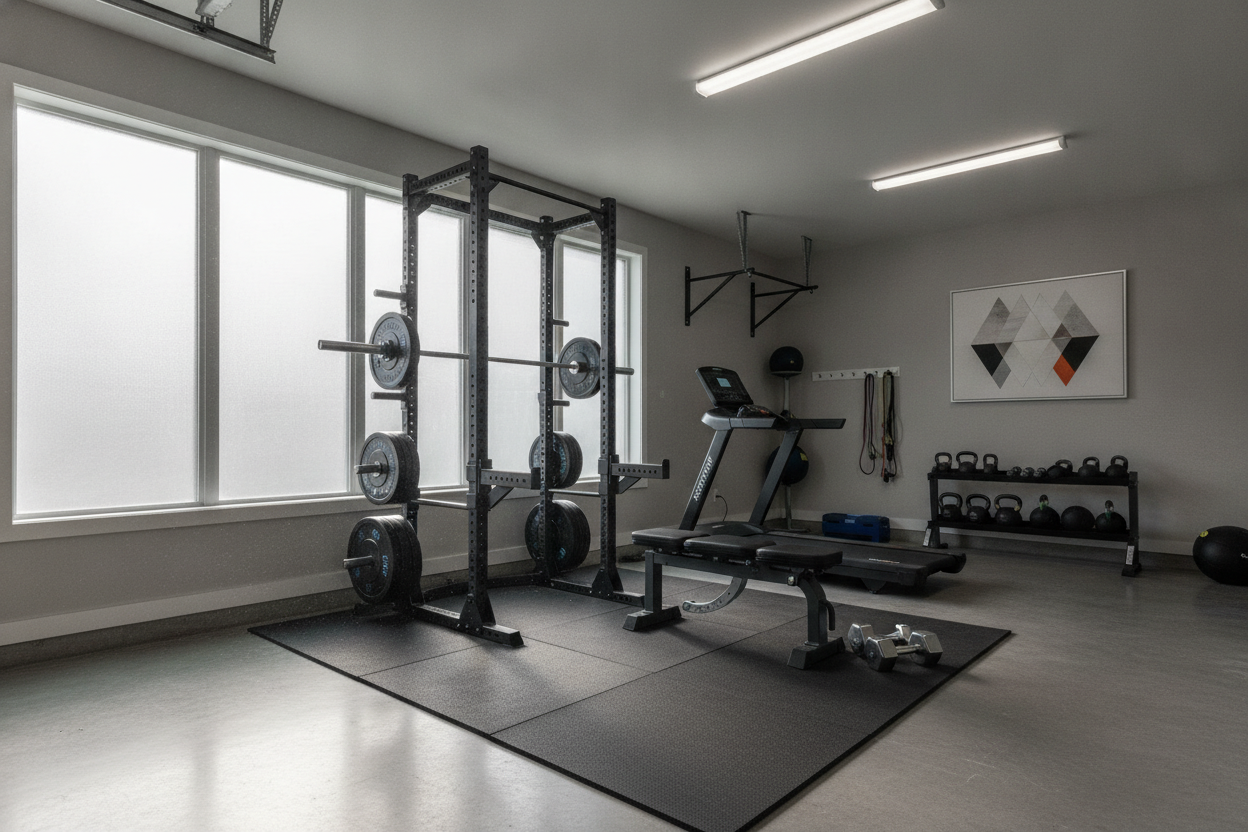
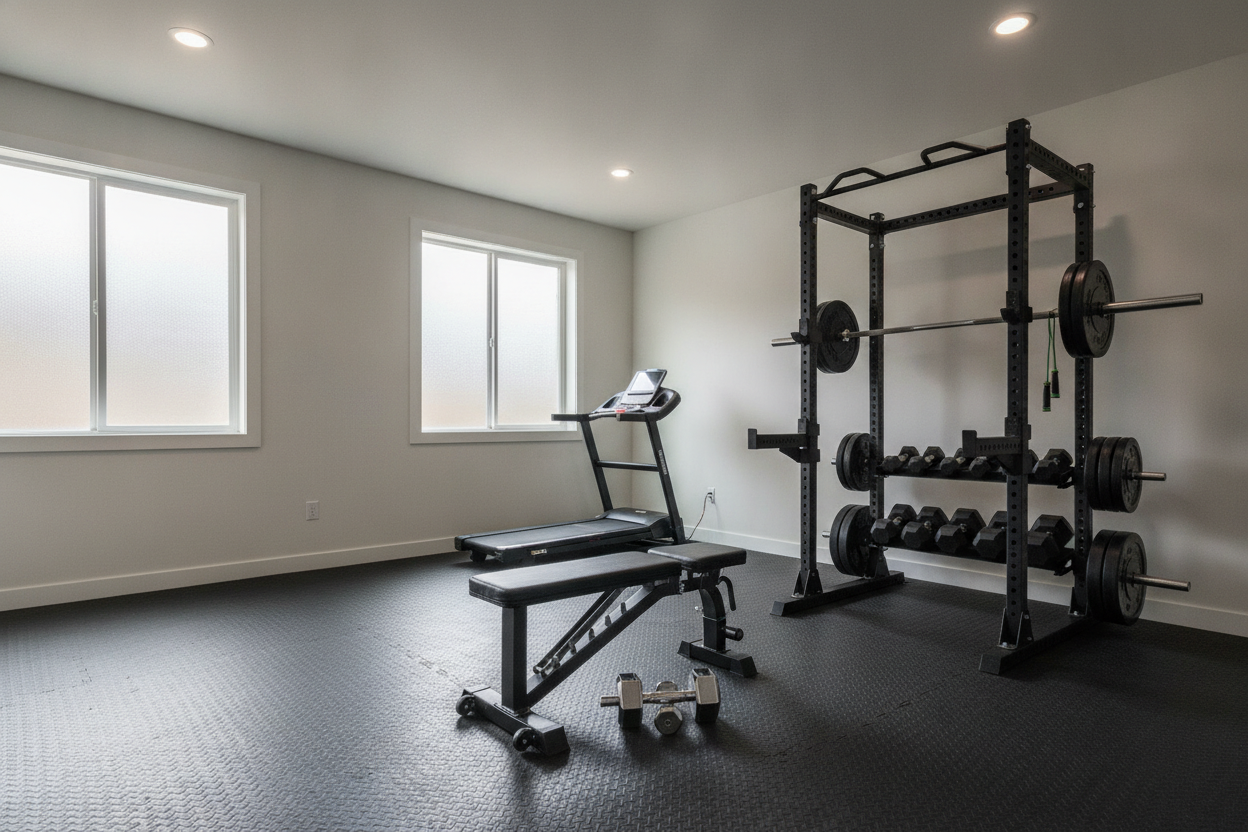
My gym is 400 square feet. Every square inch has to earn its keep. I have learned the hard way that a cluttered gym is a gym you stop using. Before I even consider a purchase, I put it through a rigorous mental filter. You should stop buying fitness gear blindly and start asking if the tool actually fits your specific training style or if you are just bored.
I ask myself: Will I still be using this in two years? Does it allow me to do something I physically cannot do right now? Is the build quality worth the footprint? If I can't answer 'yes' to all three, I close the tab. I have seen guys buy entire cable machines that take up half their garage just to do tricep pushdowns when a $20 set of bands and a wall hook would have done the same job. Do not let the novelty of a design distract you from the utility.
I also look at the 'friction' of the gear. If a tool takes five minutes to set up or requires me to swap out three different pins and a cable attachment, I know I will stop using it after the third week. The best equipment is the stuff that is ready to go the moment you walk into the gym. High-tech sensors and 'smart' features often just add layers of frustration that get in the way of the actual work.
Does It Replace Something, or Just Add Clutter?
In a home gym, space is the ultimate luxury. I have seen people buy specialized leg press machines that eat up 30 square feet of floor space when they could have just bought a high-quality squat rack and a set of safety spotter arms. If a gadget only does one thing, it better do that one thing better than anything else in the world. Most 'new' products are just redundant versions of things you already own. You do not need five different types of foam rollers; you need one that works and the discipline to use it.
Is the 'Innovation' Actually Fixing a Real Problem?
True innovation is rare. Most of what we see is 'feature creep'—adding Bluetooth to a jump rope or a screen to a dumbbell. These are not solutions; they are distractions. If you look at commercial gym upgrades, you will notice that even the big players often fall for the trap of flashy tech that breaks down within six months. A piece of equipment is only as good as its weakest link, and in most modern gear, that link is a circuit board or a cheap plastic pivot point.
The Few Times an Upgrade Actually Makes Sense
I am not a total Luddite. There are times when a new release is actually worth the investment. These are usually incremental improvements in safety, durability, or ergonomics rather than 'revolutionary' gimmicks. For instance, if a company releases a power rack with 1-inch hole spacing throughout the entire upright instead of just the bench zone, that is a functional upgrade that improves your safety and lift positioning. That is a 'buy.'
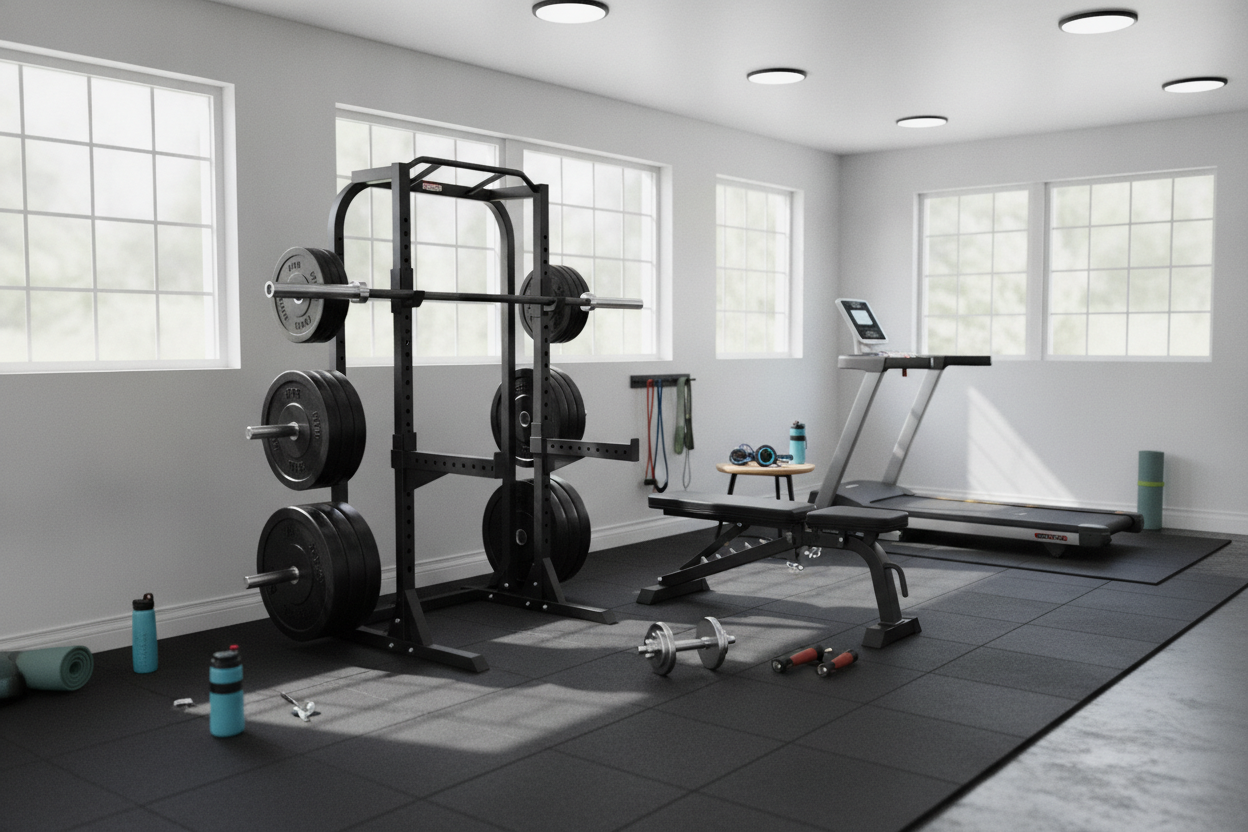
I also look for material upgrades. Moving from a cheap, slippery vinyl on a bench to a high-grip, antimicrobial 'sticky' pad is a game-changer for heavy pressing. It is not flashy, but it changes the quality of every single set. Similarly, investing in better flooring is often the smartest 'new' purchase you can make. Switching from thin, smelly puzzle mats to upgraded extra wide exercise mats can transform a cold concrete floor into a professional-grade lifting surface that saves your joints and your equipment from wear and tear.
Weight capacity is another big one. If you are outgrowing your 300-lb capacity adjustable dumbbells and a new model comes out with a 500-lb rating and a more secure locking mechanism, that is a justified upgrade. You are buying performance and peace of mind, not just a shiny new toy. Real upgrades make your training smoother, safer, and more consistent. They do not just look good in a photo.
Where to Find the Keepers (When You Actually Need Gear)
If you are determined to stay on the cutting edge, you have to be smart about where you look. Avoid the 'As Seen on TV' style ads and the influencers who have never actually dropped a barbell in their lives. Look for companies that have a track record of standing by their warranties. When I am looking for something that just hit the market, I stick to vetted new arrival collections from retailers that actually specialize in strength equipment, not general lifestyle goods.
Wait for the 'V2' of any product. The first batch of any new design is essentially a paid beta test. Let someone else deal with the snapped cables or the faulty locking pins. By the time the second or third production run hits, the manufacturer has usually fixed the glaring issues. I have a rule: I never buy a piece of gear that has been on the market for less than six months. If it is still being talked about after the initial marketing budget has run dry, it might actually be worth owning.
FAQ
How do I know if a review is honest?
Look for 'long-term' reviews. Anyone can say a product is great after one workout. Look for the person who has been beating it up for six months. If they show the scratches, the wear on the knurling, and the small annoyances, they are telling the truth.
Is it ever worth buying 'smart' gym equipment?
Only if the equipment functions perfectly without the 'smart' features. If a treadmill becomes a paperweight because the screen broke or the company went out of business, it was a bad investment. Always have a manual backup.
What is the most underrated gym upgrade?
Better lighting and better flooring. You don't need a new machine; you need an environment where you actually want to train. A solid, non-slip mat and some bright LEDs will do more for your motivation than a new set of fancy handles.