When Comparing Free Weights and Weight Machines, Free Weights Win?
Building a home gym often leads to one massive crossroads: deciding between the sleek allure of a multi-station selectorized machine and the rugged simplicity of a barbell with plates. If you are working with limited space, a tight budget, or just want to avoid hitting a workout plateau, making the right choice here is critical.
Often, when comparing free weights and weight machines, free weights require a steeper learning curve but offer unmatched versatility and value for your home setup. In this guide, we will break down the biomechanics, space requirements, and budget implications to help you decide exactly what deserves that precious square footage in your garage or basement.
Key Takeaways
- Stabilization: Free weights force your core and stabilizer muscles to work harder, mimicking real-world functional movements.
- Space Efficiency: A set of adjustable dumbbells or a basic power rack footprint is often smaller and more adaptable than a fixed-track machine.
- Cost-to-Value: Barbells and weight plates generally offer a lower cost-per-pound and outlast complex pulley systems.
- Safety: Machines offer a safer entry point for absolute beginners or those rehabbing injuries due to their fixed movement paths.
The Core Differences: Biomechanics and Movement
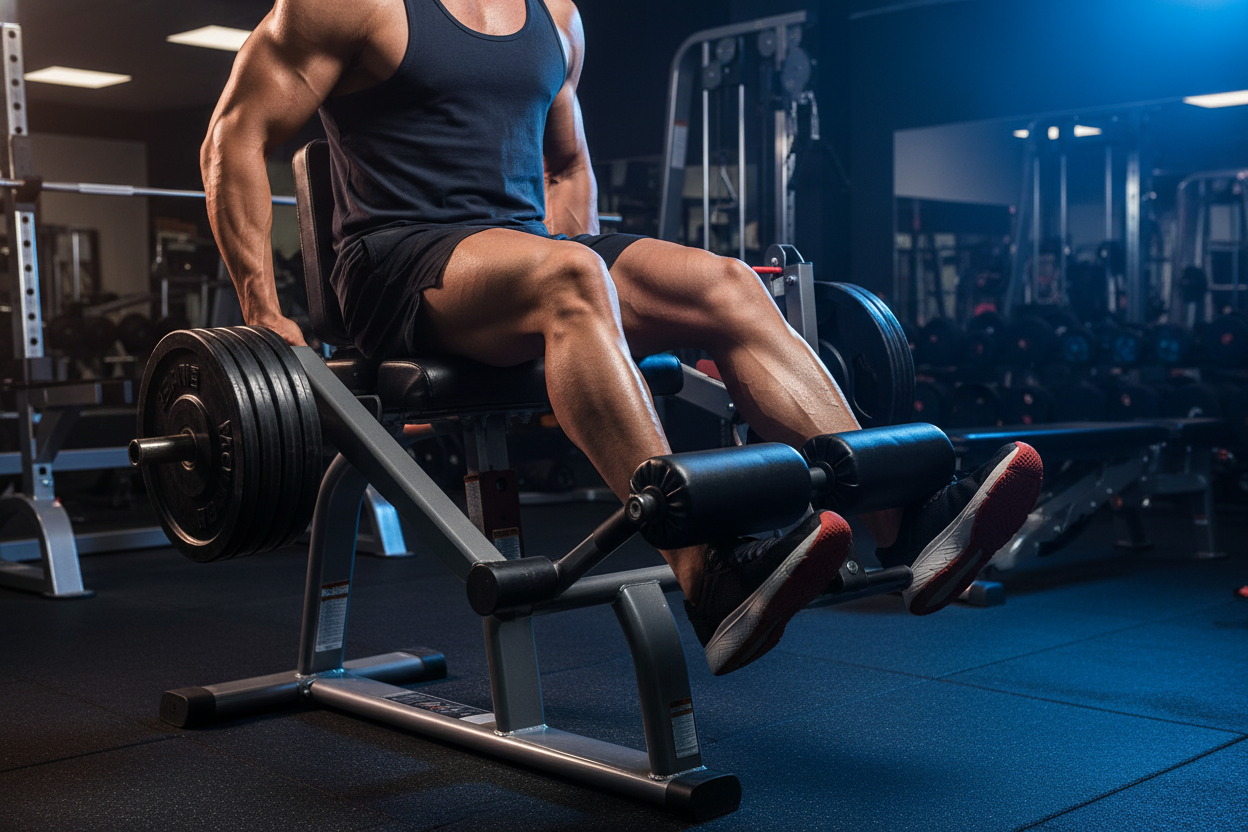
If you have ever researched workout programming, you might wonder exactly which is true when comparing free weights and weight machines. The fundamental truth is that machines lock you into a fixed plane of motion. This is fantastic for isolating a specific muscle group (like a leg extension), but it does not reflect how our bodies move in reality.
Functional Strength & Stabilization
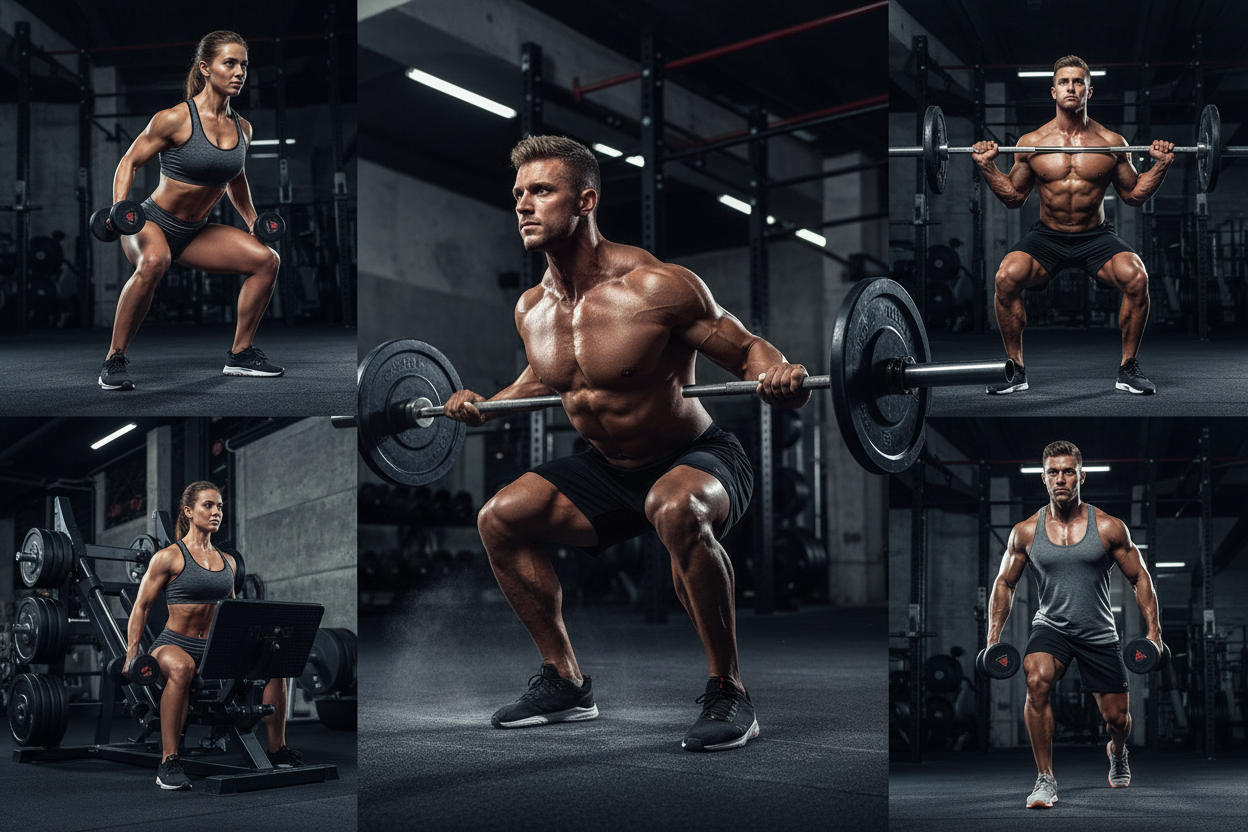
Dumbbells, kettlebells, and barbells move in three-dimensional space. When you perform a barbell squat, you aren't just working your quads and glutes; your core, lower back, and tiny stabilizer muscles in your hips are firing constantly to keep the weight from tipping. This creates functional strength that translates directly to everyday activities, from lifting heavy boxes to playing sports.
Space Planning for North American Home Gyms
One of the biggest hurdles for home gym owners is maximizing limited space. A standard two-car garage or a 10x10 basement bedroom fills up remarkably fast.
Garage Gyms vs. Spare Bedrooms
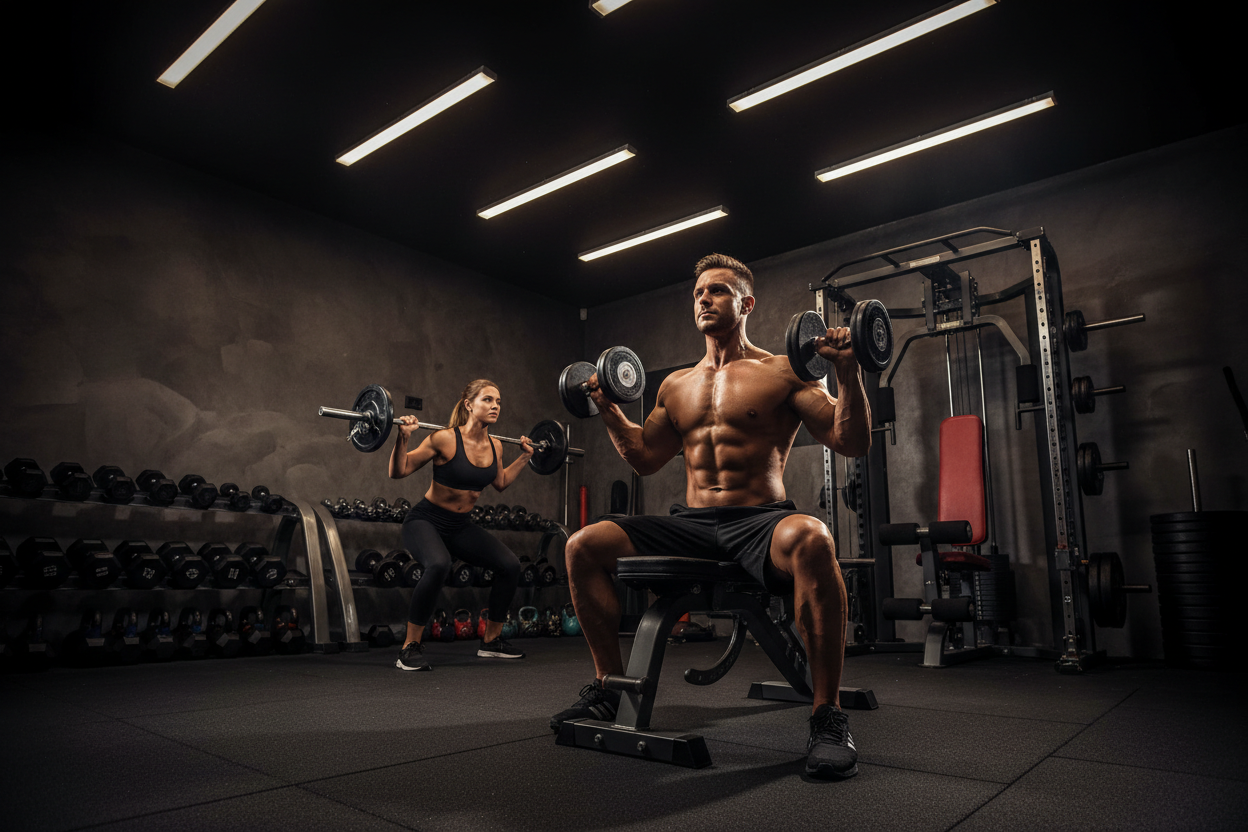
Weight machines, particularly functional trainers or home gym towers, have a large, static footprint. They often require a minimum of 6x6 feet of dedicated floor space, plus vertical clearance for the weight stack. Free weights, on the other hand, are highly modular. A folding wall-mounted power rack and a pair of adjustable dumbbells can give you a full-body workout while allowing you to park your car in the garage when you are done. Just remember that barbells require a standard 7-foot width clearance.
Value & Budget Analysis
Home gym equipment is an investment, and understanding the price-to-performance ratio is key to building a setup you won't outgrow in six months.
Cost Per Pound
Entry-level weight machines often feature cheap plastic pulleys and limited weight stacks (usually maxing out around 150-200 lbs). Once you outgrow that stack, you have to buy an entirely new machine. Free weights scale with you. Buying a high-quality barbell and picking up cast iron plates on the used market gives you a nearly infinite ceiling for progressive overload at a fraction of the cost.
From Our Gym: Honest Take
When I first outfitted my 12x12 basement gym, I debated heavily between a compact Smith machine and a traditional half-rack with a barbell. I ultimately went with the free weights, and I haven't regretted it. The aggressive knurling on my Olympic bar holds my chalked grip solid through heavy deadlift sets—a tactile experience you just don't get with rubberized machine handles.
However, I will be honest about the main drawback: the learning curve and the risk to your property. Learning to bail out of a heavy back squat safely took practice, and I had to invest in 3/4-inch horse stall mats to protect my concrete foundation from dropped bumper plates. If you go the free weight route, do not skimp on your flooring.
Frequently Asked Questions
Are free weights better for building muscle than machines?
Both build muscle effectively through mechanical tension. However, free weights are generally considered superior for overall strength and athletic performance because they engage stabilizer muscles and promote a greater range of natural motion.
How much space do I need for a basic free weight setup?
For a standard power rack, barbell, and bench, you should plan for an absolute minimum of 8 feet by 8 feet. This allows room for the 7-foot barbell and enough clearance to load plates on either side without hitting a wall.
Is it safe to lift free weights at home alone?
Yes, provided you use the right safety equipment. Always lift inside a power rack with properly adjusted safety pins or spotter arms. If you are pushing to failure on exercises like the bench press, safety catches are non-negotiable.