What 10 lbs of Muscle Before and After Actually Looks Like
I remember scrolling through those '12-week transformation' ads while sitting in my garage, surrounded by half-assembled racks and a thin layer of chalk dust. Most of those photos claim you'll pack on 20 pounds of lean mass in a month, which is a flat-out lie unless you're 'supplementing' with stuff that makes your hair fall out. Seeing a legitimate 10 lbs of muscle before and after is actually rare because most people don't have the patience to do it right.
- Muscle is much denser than fat, meaning 10 pounds takes up significantly less space but looks much harder.
- Most 'massive' transformations are 5 pounds of muscle combined with a pump, better lighting, and a tan.
- True tissue growth takes months, not weeks, for anyone past the first six months of lifting.
- Tracking strength on big lifts is a better indicator of growth than the morning scale weight.
Why 10 Pounds Sounds Pathetic (But Looks Massive)
People hear '10 pounds' and think it's nothing. They want the 30-pound gain they saw on a supplement bottle. But here is the reality: 10 pounds of pure, contractile muscle tissue is a massive amount of meat. Think about five 2-lb packs of grass-fed steak from the grocery store. Now imagine pinning that specifically to your delts, your upper chest, and your lats.
Because muscle is roughly 15-20% denser than body fat, it doesn't make you look 'big' in a soft way. It makes you look 'solid.' It’s the difference between a shirt draping over your shoulders and a shirt stretching across them. When you add 10 pounds of lean mass, your posture changes, your joints feel more supported, and your resting metabolic rate actually gets a measurable nudge.
The BS Behind Most 10 lbs of Muscle Before and After Photos
The fitness industry is built on smoke and mirrors. Most 'before' photos are taken in the morning, fasted, with poor posture and flat lighting. The 'after' photos are taken after a high-carb meal, a brutal arm workout, and under overhead LEDs that create deep shadows. That isn't a 10-pound gain; that's a 10-minute manipulation.
If you want an honest look at your progress, take your photos at the same time of day, in the same room, with the same lighting. Don't flex until your face turns purple. If the muscle is really there, you won't need to trick the camera. True growth shows up in the 'dead' light of a garage gym just as much as it does under the fancy gym spots.
How Long Does 10 Pounds of True Tissue Actually Take?
If you are a total beginner, you can hit a 10 pounds of muscle before and after milestone in about 4 to 6 months. This is the 'newbie gains' window where your body is hypersensitive to the stress of lifting. However, if you’ve been training for a few years, that same 10 pounds might take you a year or more of perfect programming and eating.
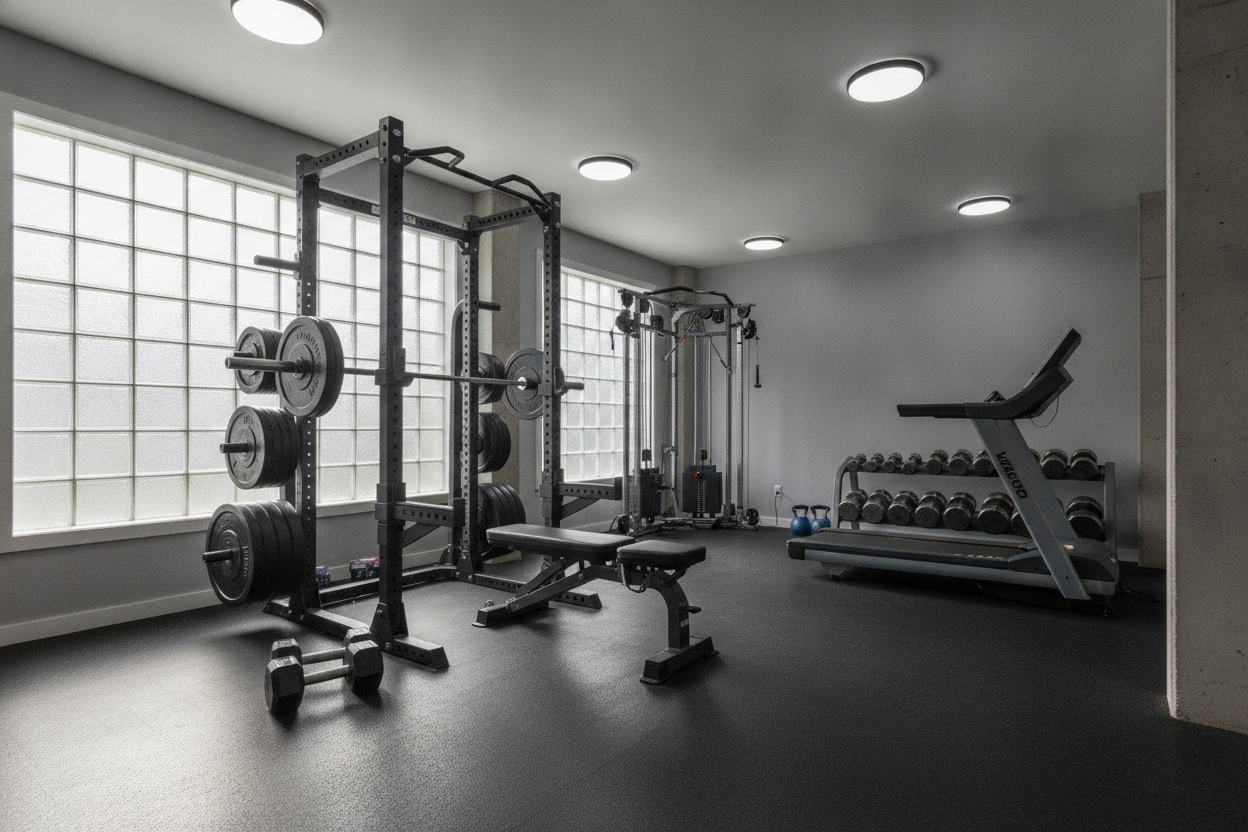
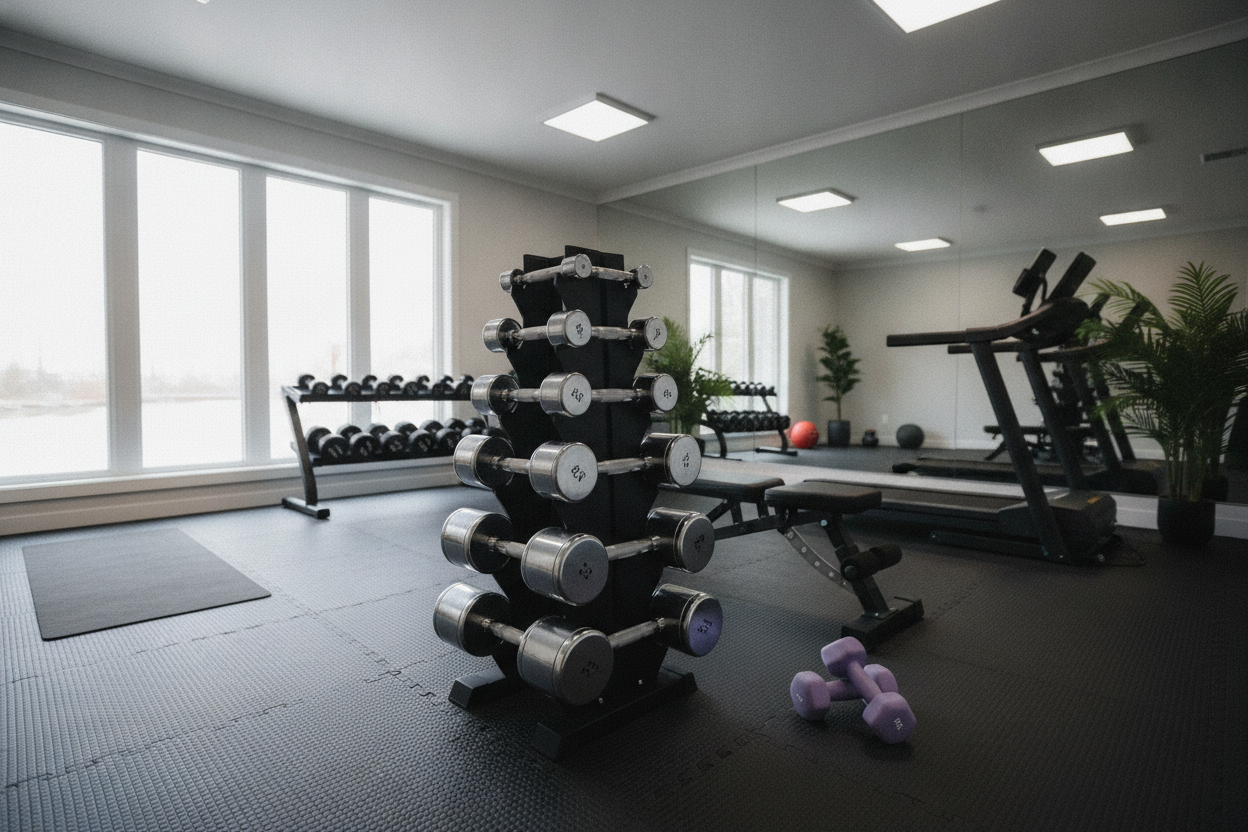
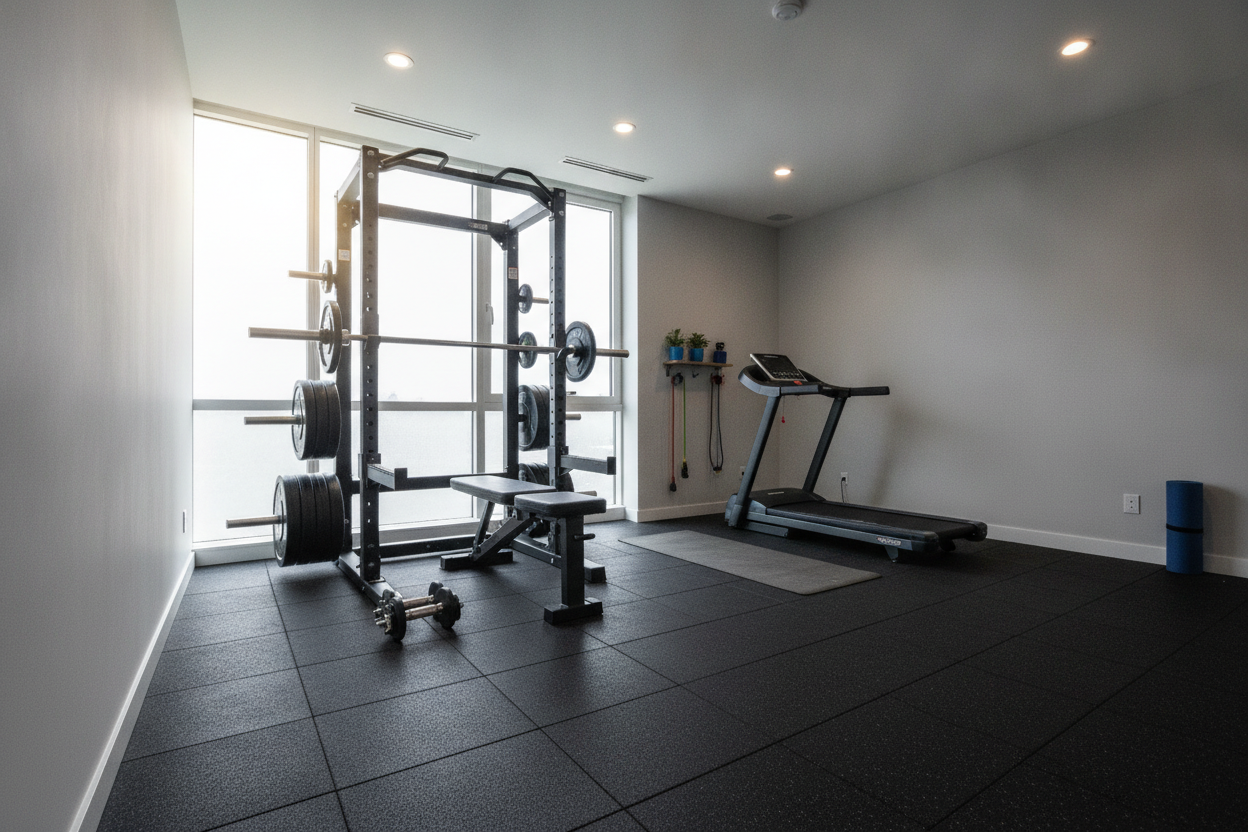
You cannot rush the biology of protein synthesis. To stimulate that kind of growth at home, you need the right tools to keep the intensity high. Investing in a solid weight set and bench is usually the first step for most of my clients. You need to be able to load movements like the bench press, row, and overhead press heavy enough to actually force the adaptation. Without progressive overload, you're just toning, and toning doesn't build 10 pounds of tissue.
Don't Dirty Bulk Just to Move the Scale
The biggest mistake I see guys make is the 'Dreamer Bulk.' They eat 4,000 calories of garbage, gain 25 pounds in two months, and convince themselves it’s all muscle. It isn't. Usually, it's 3 pounds of muscle, 15 pounds of fat, and a whole lot of water retention. Then they have to spend six months cutting, and they usually lose the muscle they built in the process.
Instead, aim for a slight surplus. You want to provide enough fuel to recover without looking like a marshmallow. I often recommend following a specific cardio and muscle building workout plan even when bulking. Keeping your conditioning up ensures that the weight you're putting on is functional and lean, rather than just adding a spare tire around your waist that hides all your hard work.
How to Tell if You're Actually Growing
The scale is a liar. It fluctuates based on salt, water, and even how much sleep you got. If you want to know if you're actually building that 10 pounds of muscle, look at your logbook. If your 5-rep max on the squat has gone up 50 pounds, you've built muscle. There is no way around it.
Use a tape measure once a month. Check around your chest, your thighs, and your arms. If the tape is moving up but your waist stay roughly the same, you're winning. Also, pay attention to the 'mirror test.' If your traps are starting to crawl up toward your ears and your back looks wider in a simple white tee, you’re hitting that 10-pound mark.
My Experience: The 20-Pound Mistake
Years ago, I decided I was 'too small' at 170 lbs. I ate everything that wasn't nailed down for three months. I hit 195 lbs and felt like a beast until I took a shirt-off photo. I looked like a thumb. I had gained maybe 4 pounds of muscle and a massive amount of fat. I had to spend the next four months dieting just to get back to where I started, only slightly stronger. Now, I focus on slow, 1-lb-per-month gains. It’s boring, but the results are permanent.
FAQ
Is 10 lbs of muscle a lot?
Yes. On a standard human frame, 10 pounds of lean tissue is a complete physical transformation. It’s the difference between looking like you 'exercise' and looking like a 'lifter.'
Can I gain 10 lbs of muscle in a month?
No. Not naturally. Anyone telling you otherwise is selling a scam or using heavy-duty PEDs. Real tissue growth is a slow, biological process.
Will 10 lbs of muscle make me look bulky?
It will make you look more muscular, but not 'bulky' in the way most people fear. Bulk usually comes from excess body fat, not the muscle underneath it.