Torching Your Quads in the Living Room: A Guide to Effective Home Leg Training
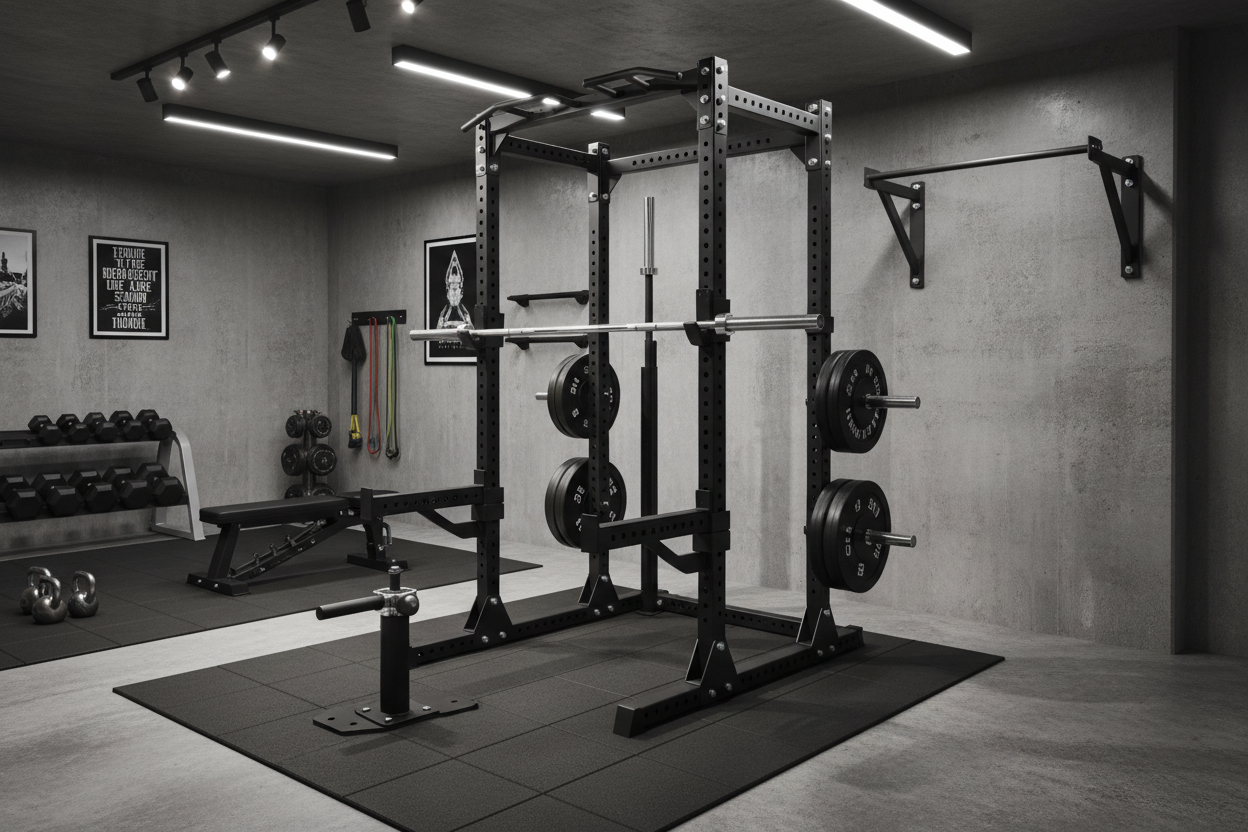
Building strong, muscular legs does not strictly require a barbell, a squat rack, or a gym membership card. While heavy resistance is the traditional path to hypertrophy, your body cannot distinguish between a 200-pound metal plate and the mechanical tension created by leverage, gravity, and unilateral movements. The core challenge of training at home isn't a lack of equipment; it's a lack of intensity and proper programming. By utilizing bodyweight mechanics and following structured visual guidance, you can stimulate growth and strength right on your living room rug.
I remember a specific winter a few years ago when a heavy snowstorm shut down the roads for nearly a week. My gym access was cut off, and I was in the middle of a strength cycle. Frustrated, I decided to attempt a high-volume bodyweight session in my basement. I assumed it would be a "deload" week—something easy to keep the blood flowing. I was wrong. After forty minutes of relentless lunges, pistol squat progressions, and plyometrics, my legs were trembling more violently than they ever had after a heavy back squat session. That week taught me that intensity is a variable you can manipulate without iron. It changed how I viewed home training forever.
Finding the Right Visual Guidance
The internet is flooded with fitness content, which can be both a blessing and a curse. When you are searching for high-quality leg workout videos at home, you need to filter out the noise. Not every influencer with a camera understands biomechanics. The most effective instructional videos act as a digital personal trainer. They shouldn't just show you the movement; they should explain where you should feel the tension, how to breathe, and how to modify the exercise if you have limited mobility.
Visual cues are critical when you don't have mirrors surrounding you. A good instructor on screen will remind you to keep your chest up during a lunge or to drive through your heel during a glute bridge. This real-time feedback loop helps prevent injury and ensures you are actually targeting the muscle rather than just moving your joints through space. If you find a creator who emphasizes form over flashiness, bookmark their channel. Consistency with one style of training often yields better results than jumping between random routines every day.
The Unilateral Advantage
One of the biggest secrets to successful home leg training is unilateral work—training one leg at a time. When you stand on two feet, your body is incredibly stable, and you can handle a lot of weight. Take one leg away, and suddenly your body weight becomes a significant load. Exercises like the Bulgarian Split Squat are humble killers. They require balance, core stability, and immense drive from the quadriceps and glutes.
If you have ever tried to follow a leg workout video at home that included Bulgarian Split Squats, you know the specific type of burn they induce. By focusing on single-leg movements, you effectively double the resistance relative to the working limb without needing dumbbells. This also helps correct muscular imbalances. Most people have a dominant leg, and barbell training often lets the stronger side compensate. Unilateral home training forces the weaker leg to catch up, leading to a more symmetrical and functional physique.
Essential Movements for Your Routine
Your home routine needs to cover the fundamental movement patterns: the squat, the hinge, and the lunge. A well-rounded session might look like this:
- Squat Pattern: Bodyweight squats (focusing on slow negatives) or Pistol Squat variations (using a chair for support).
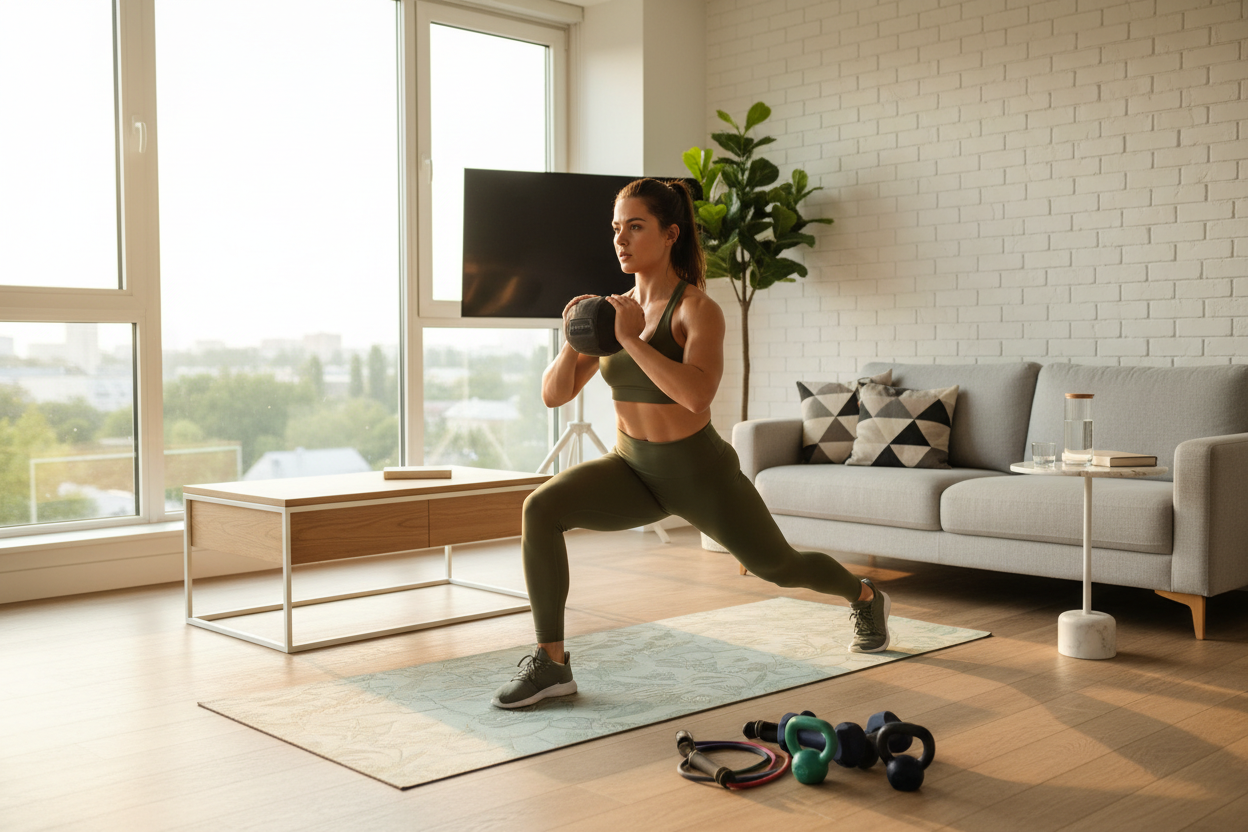
- Lunge Pattern: Reverse lunges or Split Squats. These protect the knees better than forward lunges for many people.
- Hinge Pattern: Single-leg Romanian Deadlifts or Glute Bridges. These target the hamstrings and posterior chain, which are often neglected in bodyweight routines.
- Plyometrics: Jump squats or alternating jump lunges. These introduce explosive power and recruit fast-twitch muscle fibers.
Creating Progressive Overload Without Weights
The principle of progressive overload dictates that to grow, you must continually increase the demand on your muscles. In the gym, you add weight. At home, you must change other variables. The most effective tool at your disposal is "Time Under Tension" (TUT). Instead of bouncing through a squat, take three full seconds to lower yourself, pause for one second at the bottom, and explode up. This increases metabolic stress and damages muscle fibers enough to signal repair and growth.
Another method is reducing rest periods. If you usually rest ninety seconds between sets, cut it down to forty-five. This forces your cardiovascular system to work harder and keeps the muscles fatigued. You can also increase the range of motion. Elevating your front foot during a lunge allows for a deeper stretch in the glute and hamstring, making the exercise significantly harder without adding a single pound of external weight.
Setting Up Your Training Space
Environment dictates performance. You don't need a massive garage gym, but you do need a dedicated square of space where you won't kick the coffee table. Clear a 6x6 foot area. If you have hardwood floors, a yoga mat is essential for protecting your knees during lunges or floor work. Having a sturdy chair or couch nearby is also helpful for stability exercises or elevating your feet for glute bridges.
Treat this space with the same respect you would the gym floor. When you step onto the mat, put your phone on "Do Not Disturb" (unless you are streaming your workout content on it). The mental disconnect is just as important as the physical exertion. If you are checking emails between sets of squats, your intensity will drop, and your results will suffer.
Consistency Over Intensity
The best home workout is the one you actually do. It is easy to blow off a living room session because you are already home and comfortable. There is no commute to the gym to force commitment. This is why following a series or a program is vital. It provides a roadmap. When you know exactly what you are doing on Tuesday at 6 PM, you are less likely to skip it.
Remember that legs are large muscle groups. They require significant energy to train, but they also release a cascade of anabolic hormones that benefit the whole body. Don't skip leg day just because you don't have a barbell. With the right intensity, focus, and guidance, your living room floor can become the forging ground for your best physique yet.
Frequently Asked Questions
Can I really build muscle mass with just bodyweight leg exercises?
Yes, especially if you are a beginner or intermediate trainee. By utilizing high repetitions, shorter rest periods, and unilateral exercises (single-leg), you can create enough mechanical tension and metabolic stress to stimulate hypertrophy. Eventually, you may need to add external resistance like resistance bands or weighted backpacks to continue progressing.
How often should I train my legs at home?
Since bodyweight exercises typically cause less systemic fatigue and joint stress than heavy barbell lifting, you can often train legs more frequently. A frequency of 2 to 3 times per week is generally effective. Ensure you have at least one rest day between sessions to allow for muscle recovery.
What if I feel pain in my knees during lunges?
Knee pain often stems from poor form or lack of hip mobility. Try taking a smaller step back or leaning your torso slightly forward to engage the glutes more, taking pressure off the knee. You can also switch to reverse lunges instead of forward lunges, as they are generally more knee-friendly.