The Massive Lie About Bodybuilder Weights and the Scale
I remember standing on my scale three years ago, staring at a depressing 185 pounds. I had been lifting for five years, but I felt small. I was obsessed with the idea that to look like the guys in the magazines, I needed to hit a specific number. I spent months force-feeding myself peanut butter sandwiches and whole milk, chasing bodybuilder weights that my frame wasn't ready to carry. I hit 215 pounds, sure, but I didn't look like a bodybuilder. I looked like a guy who had given up on cardio and lived in a bakery.
- Proportion > Mass: A wide shoulder-to-waist ratio makes you look 20 pounds heavier than you are.
- The Stage Illusion: Most pros look massive because they are incredibly lean, not just heavy.
- Leg Volume: Adding sweep to your quads is the fastest way to change your silhouette.
- Angle Matters: Incline work is non-negotiable for a thick, 'armored' look.
The 200-Pound Delusion
There is a massive disconnect between what we see on a screen and what the scale actually says. When people ask how much do bodybuilders weigh, they usually expect an answer north of 250 pounds. While the 'Mass Monsters' of the Open division certainly hit those numbers, the aesthetic physiques most of us actually admire are often much lighter. I’ve seen guys at 175 pounds who look absolutely terrifying in a tank top because their body fat is in the single digits and their muscle bellies are full.
The delusion starts when you try to match a pro's off-season weight without having their muscle maturity. If a pro weighs 240 in the winter, he’s carrying 220 pounds of lean tissue. If you try to hit 240, you might only be carrying 160 pounds of muscle. The result isn't a 'bodybuilder' look; it's just a heavy look. We have to stop equating gravity's pull on our bodies with the quality of the muscle we've built. Real visual mass is about the illusion of size, created by deep separations and the way light hits a muscle, not just a number on a digital display in your bathroom.
Why the Scale is a Terrible Gauge for Size
The scale is a liar because it doesn't account for where the weight is distributed. You can gain ten pounds of 'mass' by eating everything in sight, but if that weight settles in your midsection, it actually makes you look smaller. Why? Because it kills your taper. A thick waist makes your shoulders look narrow and your chest look flat. If you want to actually look like you've put on serious weight, you need to focus on strategic growth. For example, learning how to gain weight on legs is the ultimate 'cheat code' for your physique.
When your quads have that outer sweep, it fills out your jeans and creates a base that makes your upper body appear more dominant. A heavy body builders weight that is mostly comprised of a soft midsection is a waste of a bulk. I've found that my 'best' look—the one where people actually ask if I'm competing—usually happens when I'm 15 pounds lighter than my heaviest. It’s about the density of the muscle and the lack of 'blur' between muscle groups. Stop chasing the 220-pound mark if it means losing the very lines that make you look like an athlete in the first place.
Lifting Bodybuilder Weights vs. Being One
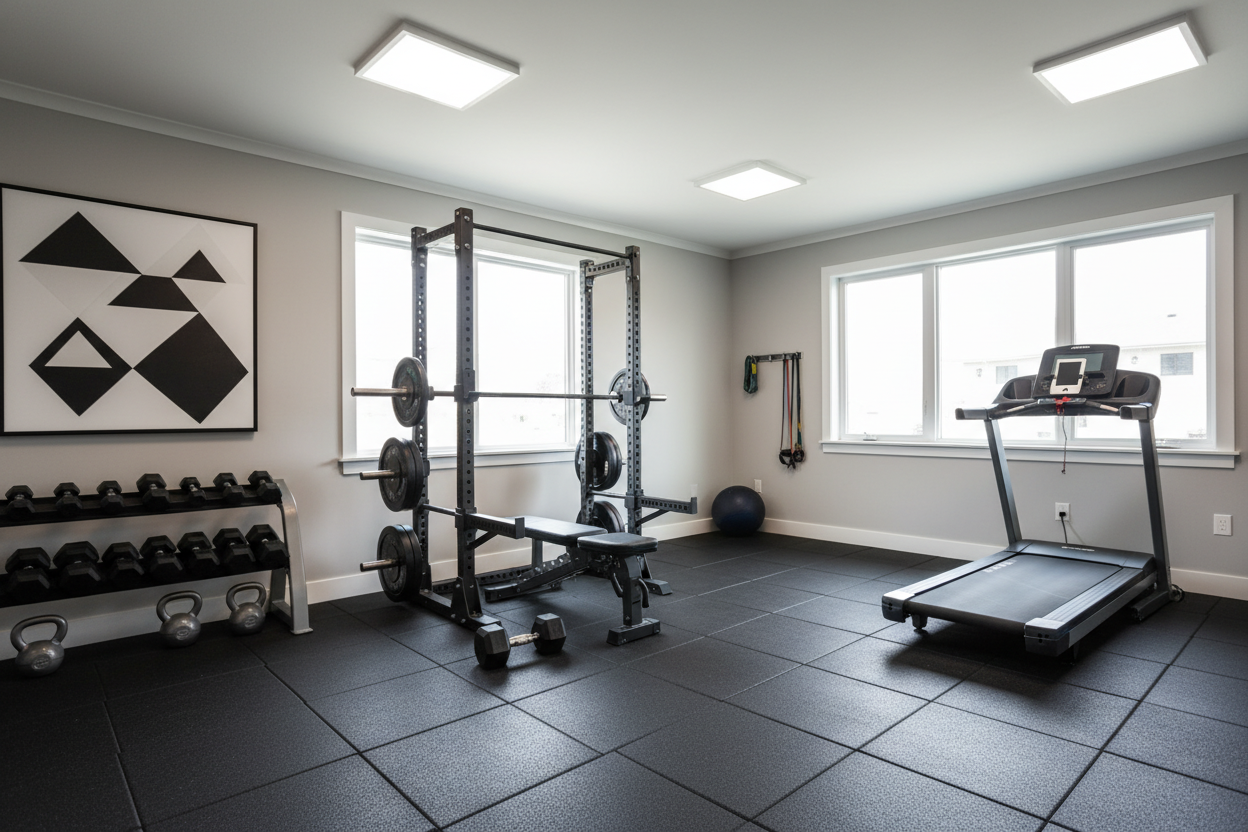
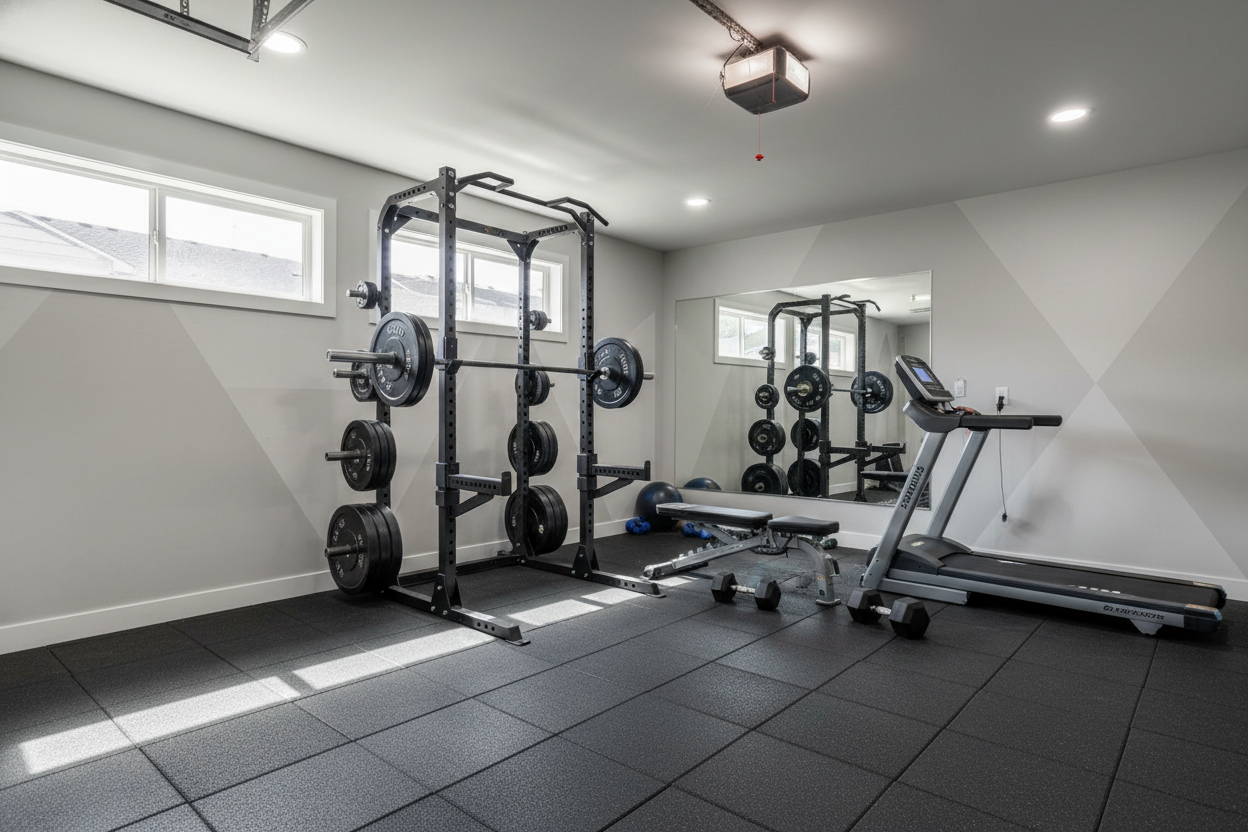
You don't need a 15,000-square-foot commercial gym with sixty different selectorized stations to build a pro-level physique. In fact, most of the guys with the best proportions I know train in garages or basements. They aren't using fancy, gold-plated weight lifting machines that cost as much as a used Honda. They are using basic iron and focusing on the quality of the contraction. The weight on the bar matters, but the way you move that weight matters more for hypertrophy.
I used to think I needed a specialized hack squat and a standing calf raise machine to see progress. I was wrong. You can stimulate the same muscle fibers with a solid barbell and a heavy set of dumbbells. The key is progressive overload and 'feeling' the muscle do the work. If you're just throwing weight around to say you lifted it, you're powerlifting—and that's fine—but it won't give you the specific 'pop' associated with bodybuilders. Focus on the eccentric, get a deep stretch, and make 80 pounds feel like 120. That is how you grow.
Structuring Your Garage for Proportions
If you're training at home, you have to be smart about your equipment. You don't have room for fluff. To build that V-taper, you need to prioritize your back and your upper chest. An adjustable weight bench is probably the most important piece of kit you'll buy after a rack. I see too many guys doing flat bench year after year, wondering why they have 'droopy' pecs. You need those 30-degree and 45-degree inclines to build the upper shelf of the chest.
That upper chest mass is what creates the visual height in your torso. Pair that with heavy rows and pull-ups to widen the lats, and you’ll look like you’ve added 20 pounds to your frame without the scale moving an inch. My current home setup is just a power rack, a high-quality bar, and a bench that can hit multiple angles. I’ve made more progress with that simple trio than I did in two years of using every machine in the local gym. It forces you to stabilize the weight and allows for a more natural range of motion that suits your specific joints.
The Mirror Over the Scale
At the end of the day, the mirror provides the only feedback that matters for aesthetics. If the scale goes up but your jawline disappears and your abs vanish, you aren't getting 'big' in the way you want. You're just getting heavy. I've learned to value the 'look' of the muscle—the hardness and the shape—over the raw number. If I look in the mirror and my delts are capped and my waist is tight, I don't care if I weigh 180 or 210.
Focus on the key lifts that build the silhouette: the incline press, the weighted pull-up, the Bulgarian split squat, and the lateral raise. These are the 'aesthetic' lifts. When you get stronger on these, your body changes in a way that the scale can't fully capture. Don't be a slave to a number that doesn't account for your hard work. Build the physique first; the weight will be whatever it needs to be.
My Personal Experience: The 225-Pound Disaster
I once spent an entire year trying to hit 225 pounds. I thought it was a 'manly' weight. I ate until I felt sick, and I hit the number. I felt like a tank, but I looked like a water balloon. I couldn't climb a flight of stairs without huffing, and my clothes didn't fit—not because my shoulders were too wide, but because my stomach was too big. I eventually cut back down to 195, and I looked twice as big in photos. It was a humbling lesson: lean mass always beats raw mass.
FAQ
How much do bodybuilders weigh in the off-season?
It varies wildly, but many pros will stay within 15-20 pounds of their stage weight. Going higher usually just means more fat to lose later, which can lead to muscle loss during the cut.
Is a high body builders weight necessary for strength?
Mass moves mass, so being heavier helps with absolute strength (like a 1-rep max squat). However, you can be incredibly strong for your size without being 'heavy' if you focus on neurological efficiency.
Can I look like a bodybuilder without machines?
Absolutely. Free weights require more stabilization and often lead to a more 'rugged' and complete look. Machines are great for isolation, but a barbell and dumbbells are the foundation of every great physique.