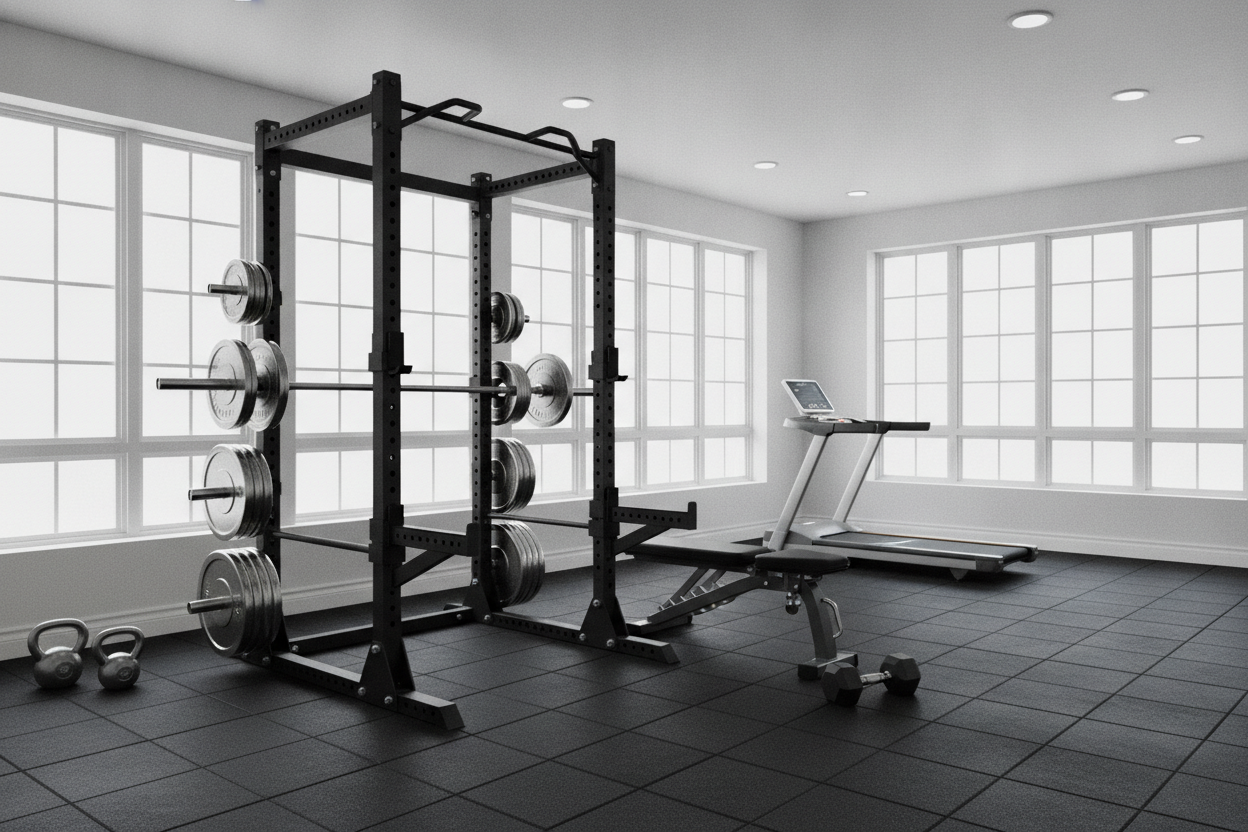
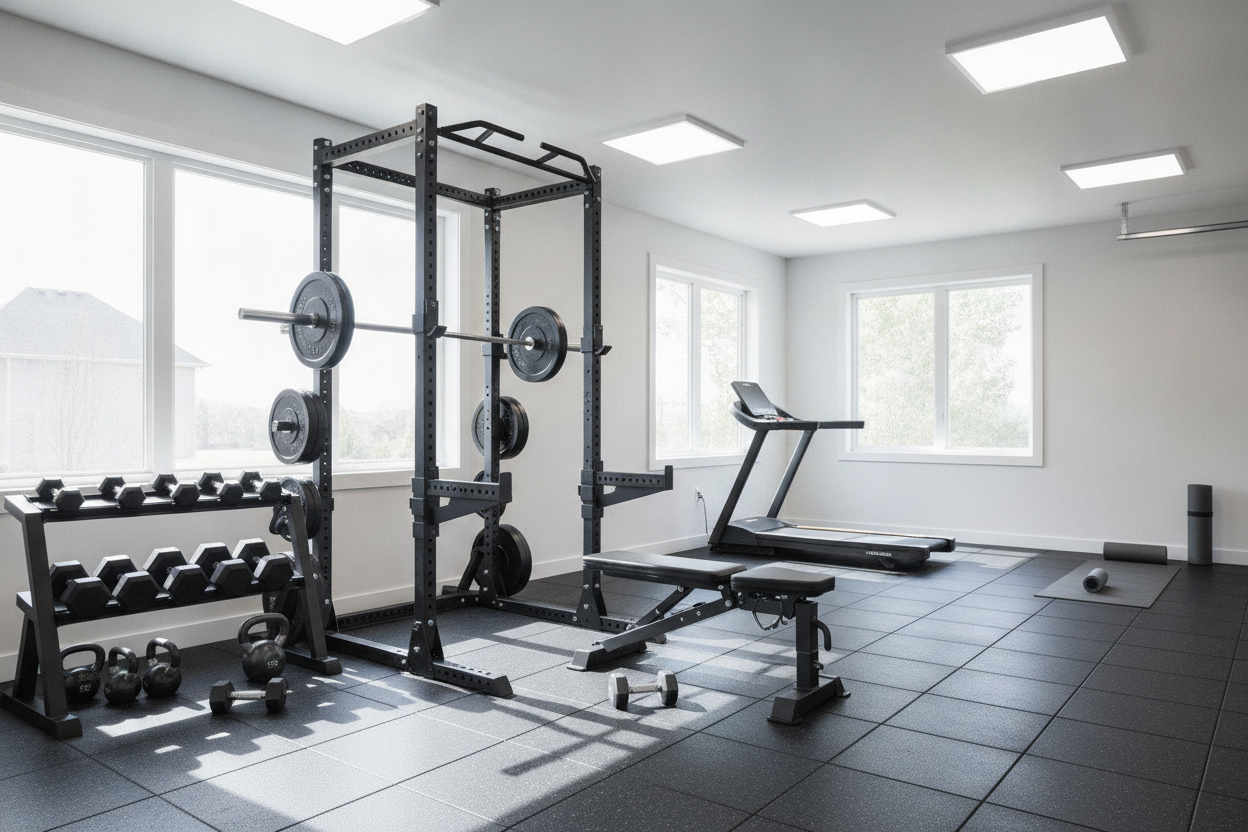
The Fatal Flaw in Every Full Body Workout Beginner at Home
I remember the day I finally quit my $80-a-month commercial gym. I thought I could just do some curls and crunches on my living room carpet and keep my gains. I was wrong. Most people starting a full body workout beginner at home make the same mistake: they try to copy a bodybuilder's isolation split without having the heavy iron to back it up.
If you don't have a rack of dumbbells reaching up to 100 pounds, doing three sets of ten bicep curls is a waste of your limited training time. You aren't building muscle; you're just moving your arms in the air. To actually see results, you have to stop thinking about muscles and start thinking about movements.
Quick Takeaways
- Stop isolating small muscles; focus on compound movements that use multiple joints.
- Progress comes from changing leverage angles, not just adding endless repetitions.
- Consistency beats intensity—three 30-minute sessions are better than one two-hour marathon.
- Invest in a solid floor surface before you buy a single weight.
Why Bicep Curls in Your Living Room Are a Trap
The 'body part split' is a relic of 1970s gym culture. It works when you have access to leg press machines and cable towers. When you are working on a full-body workout plan for beginners at home, that mentality fails. Why? Because your body weight isn't heavy enough to stimulate growth in a single muscle like the tricep or bicep through isolation alone.
You need to recruit as many muscle fibers as possible to create a metabolic demand. This means shifting your focus to compound leverage. Instead of a curl, you do a chin-up or a row. Instead of a leg extension, you do a deep squat. This is how you build a real foundation without a rack of weights.
The 'Big Three' Movement Patterns You Actually Need
Every effective beginners full body workout no equipment routine is built on three pillars: the push, the pull, and the squat. If you hit these three, you hit everything from your traps to your calves. The push handles your chest, shoulders, and triceps. The pull manages your back and biceps. The squat takes care of the entire lower body.
The biggest hurdle for beginners is the 'pull' movement, as most homes don't have a natural place to hang. Until you get a bar, focus on 'floor slides' or 'doorway rows.' For the push and squat, floor quality matters. I always suggest starting with a large exercise mat for home gym to define your workout space. It protects your joints during floor presses and keeps your feet from sliding during lunges.
A Beginner Total Body Workout at Home (That Doesn't Suck)
Here is the exact routine I give to people starting out. Perform this three times a week with one day of rest between sessions. Focus on the quality of the movement, not the speed.
- Incline Pushups: 3 sets of 8-12 reps. Use your couch or a sturdy chair. As you get stronger, move closer to the floor.
- Reverse Lunges: 3 sets of 10 reps per leg. Keep your torso upright to hit the quads.
- Plank Walkouts: 3 sets of 5 reps. Start standing, walk your hands out to a plank, hold for two seconds, and walk back.
- Glute Bridges: 3 sets of 15 reps. Squeeze at the top like you're trying to crack a walnut.
For movements like reverse lunges, you need space. I prefer a 6x8ft exercise mat because it gives you enough horizontal room to move without stepping off onto the hardwood and losing your grip. If you find the reps getting too easy, don't just do 50 of them. Slow down the 'negative' phase of the movement to three seconds. Tension builds muscle, not just movement.
How to Tell if Your Routine is Actually Working
A common error in full-body exercise at home for beginners is chasing 'the burn' or extreme soreness. Soreness is just a sign of novelty, not necessarily progress. The real metric for success is progressive overload. If you did 10 pushups at a 45-degree angle last week, and this week you did them at a 30-degree angle, you got stronger.
Keep a simple notebook. Record your reps, your sets, and how you felt. If your heart rate stays elevated and you find yourself able to control your body better through the full range of motion, the beginner total body workout at home is doing its job. Don't overcomplicate it.
When Bodyweight Stops Working (And What to Buy First)
Eventually, you will outgrow your own body weight. This is a good problem to have. Most people rush out and buy a cheap set of 5-pound neoprene dumbbells. Don't do that. They will be doorstops within a month. When you can comfortably do 20 perfect pushups and 30 deep squats, it’s time to look at external resistance.
If you have the space, a full body workout machine at home can be a smart pivot. It provides the consistent tension that bodyweight sometimes lacks, especially for the posterior chain (your back and hamstrings). Just make sure whatever you buy has a footprint that fits your actual life—don't buy a machine that turns your bedroom into a storage unit.
Personal Experience: My 'Air Squat' Mistake
When I first started training at home, I thought more was better. I did 100 air squats every single morning. My knees started clicking, my lower back was constantly tight, and my legs didn't actually look any different after three months. I was just getting better at being tired. The moment I switched to slow, controlled Bulgarian split squats using my ottoman for elevation, my strength exploded. I realized that 10 hard reps beat 100 easy ones every time.
FAQ
Do I need shoes for a home workout?
If you're on a high-quality mat, barefoot is actually better for balance and foot strength. If you're on tile or thin carpet, wear cross-trainers to avoid slipping.
How long should a beginner workout take?
30 to 45 minutes is the sweet spot. Anything longer and you're likely 'junk volume' training—doing reps that don't actually contribute to growth.
Can I do this every day?
No. Muscle grows while you sleep and recover, not while you're working out. Give your central nervous system at least 48 hours between intense sessions.