The best exercises for hypertrophy won't work if your tempo sucks
I spent three years of my life chasing the 'perfect' program. I was that guy at 2 AM on Reddit, comparing the strength curves of different cable fly variations while my own chest looked like a couple of saltine crackers. I thought if I just found that one magic movement, the gains would finally show up. Spoiler: they didn't.
The hard truth is that the best exercises for hypertrophy are usually the ones you’re already doing—you’re probably just doing them like garbage. You’re bouncing the weight, using momentum, and treating your sets like a race to the finish line instead of a tool for tension. If you want to grow, you have to stop moving weight and start challenging tissue.
- Tempo is King: Controlling the eccentric (lowering) phase is non-negotiable for muscle growth.
- Stability Equals Power: If your body is wobbling, your brain will downregulate the force your muscles can produce.
- The Deep Stretch: Research shows that training a muscle in its lengthened position is the fastest way to trigger growth.
- Stop Program Hopping: You need at least 8-12 weeks on a single movement to actually master the execution.
Why You Keep Searching for Magic Movements (And Finding Nothing)
We’ve all been there. You hit a plateau on your bench or your squats, and instead of looking at your form, you decide you need a 'new stimulus.' You swap the barbell for a weird plate-loaded machine or some complex band setup you saw on Instagram. You feel a 'burn' because it's a new movement, but three weeks later, you’re stuck again.
The problem isn't the exercise; it's your lack of mechanical tension. Most lifters in garage gyms treat their reps like a chore to be completed. They drop the weight fast and use the 'bounce' at the bottom to get it back up. This bypasses the most productive part of the rep. If you can't pause for a full second at the bottom of a rep and still move the weight, you’re using too much ego and not enough muscle.
What Actually Makes a Lift Build Muscle?
Hypertrophy isn't about the name of the lift; it's about three things: mechanical tension, metabolic stress, and muscle damage. Mechanical tension is the big one. This happens when you force a muscle to produce force while it's being stretched. This is why hypertrophy training examples like the Romanian Deadlift are so effective—they put the hamstrings under massive load while they are literally being pulled apart.
Stability is the hidden variable. If you’re doing a standing overhead press and your core is failing before your shoulders, your shoulders aren't getting the hypertrophy stimulus they need. This is why I often prefer seated variations or movements where you can brace against something. The more stable you are, the more your nervous system allows you to recruit those high-threshold motor units that actually grow.
The Best Exercises for Hypertrophy (Are the Ones You Can Lock In)
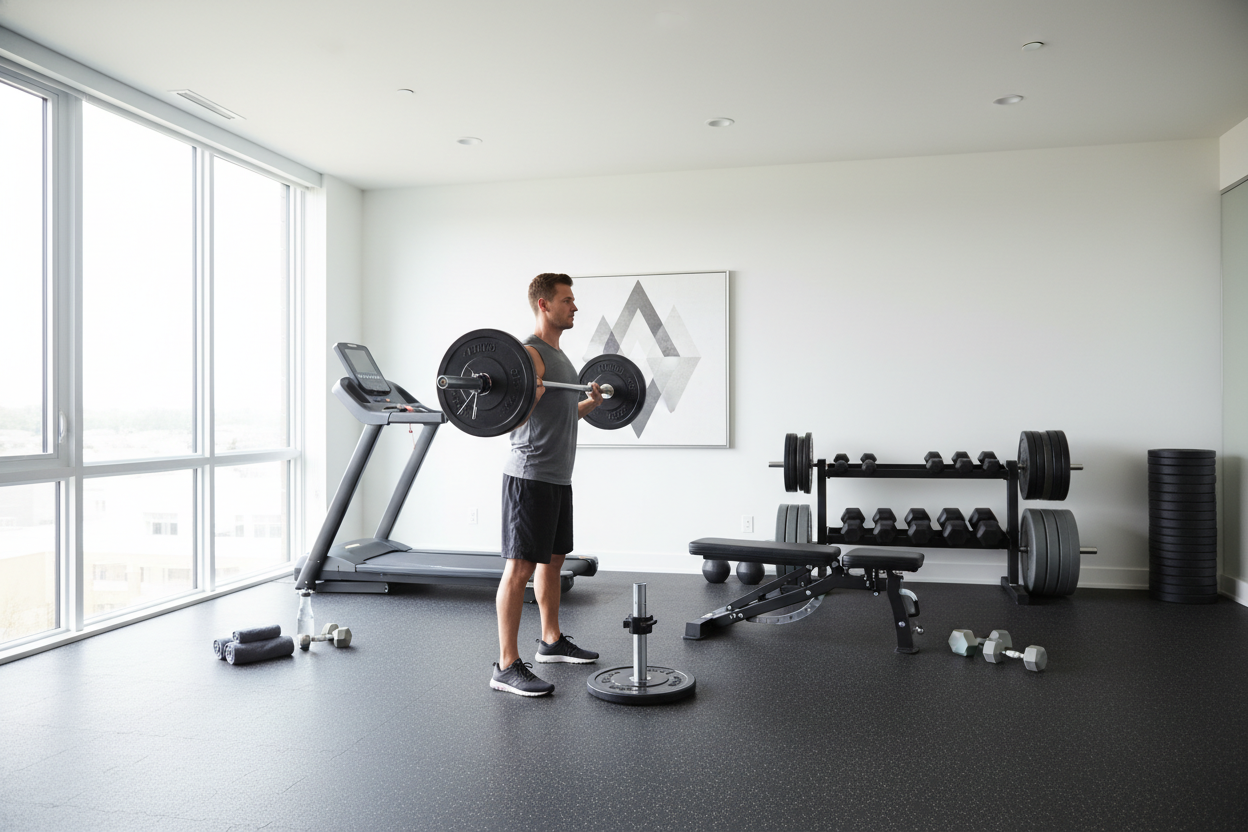
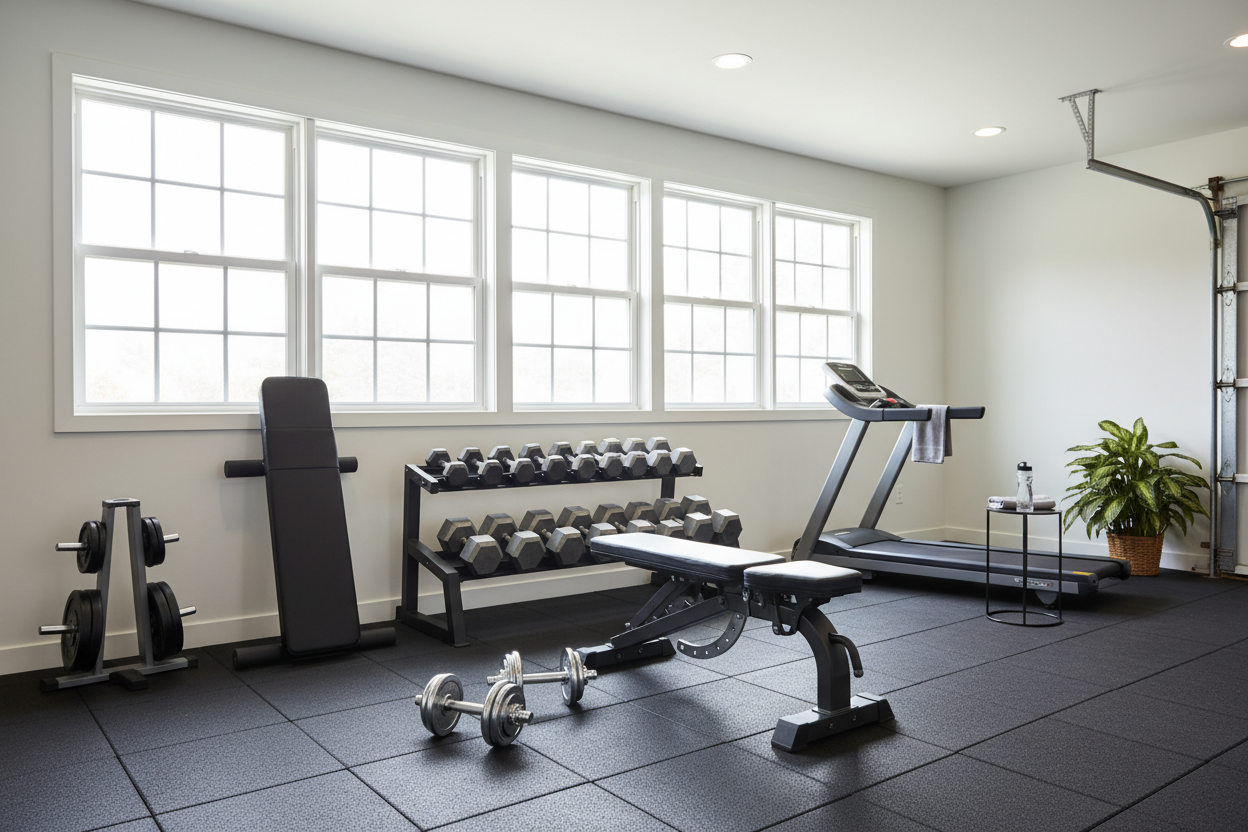
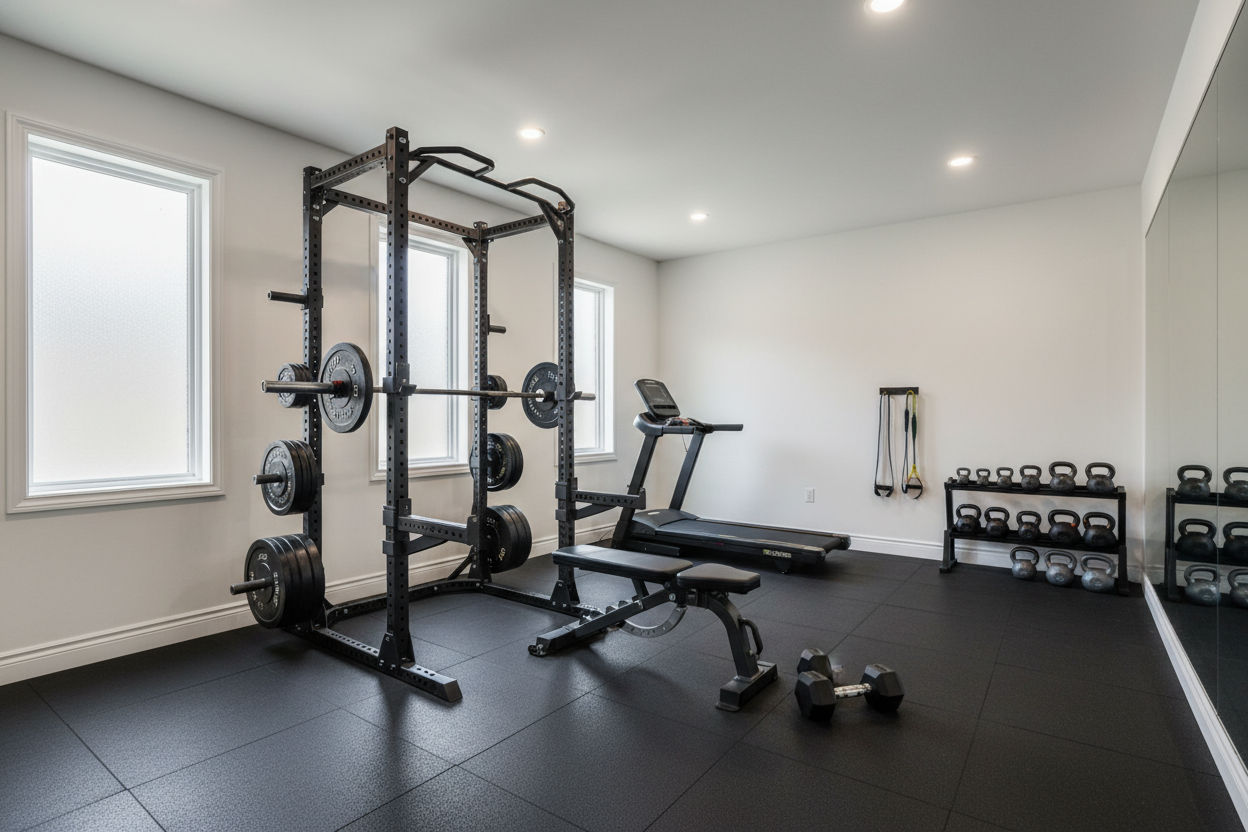
In a home gym, you don't have 40 different Prime or Hammer Strength machines. You have a rack, a bar, and maybe some dumbbells. That’s plenty. The best exercises for hypertrophy are the ones that allow you to load heavy weight safely while maintaining total control. You want movements with a clear 'limiting factor'—meaning the target muscle is the thing that gives out, not your balance.
Once you master the art of execution, you can check out The Definitive List Of Exercises By Body Part For Hypertrophy to start plugging them into your split. But remember, a list is just a list until you apply the right intent.
Lower Body: Squats, Hinges, and Deep Stretches
For legs, you need to get deep. If you’re cutting your squats high because your ankles are tight, you’re leaving 50% of your gains on the table. I’m a huge fan of heel-elevated squats. Using a squat wedge or even just a couple of 5-lb plates under your heels allows you to stay upright and drives your knees forward, putting a massive stretch on the quads.
If you’re looking for specific examples of hypertrophy exercises for the lower body, look at the Safety Squat Bar (SSB). Because the weight sits higher and forward, it forces you to stay upright and punishes your upper back and quads. For a deeper dive, read our Best Exercises For Quad Growth The Ultimate Hypertrophy Guide to see how to optimize your leg days.
Upper Body: Stable Pushes and Controlled Pulls
Upper body growth is all about the 'stretch-mediated hypertrophy.' On a bench press, don't just touch your chest and go. Sink the bar, feel the pec fibers stretch, hold it for a half-second, and then drive. The same goes for rows. Most people use so much momentum on rows that their lats never actually do the work. Stop the 'body English.' If your torso is moving more than 10 degrees, the weight is too heavy.
How to Make Basic Lifts Feel Like Commercial Machines
The secret to home gym hypertrophy is creating stability where there is none. When I’m doing heavy dumbbell rows, I don't just stand there; I put my non-working hand on the power rack and dig my feet in. I want to be an immovable object so my lat has no choice but to pull the weight. Energy leaks are the enemy of growth.
I highly recommend grabbing some Strength Training Accessories like lifting straps or a solid belt. Straps are essential for hypertrophy because your grip will almost always fail before your back does on high-rep sets. Also, make sure your foundation is solid. If you're lifting on slippery concrete, you're losing force. A high-quality 6X8Ft Exercise Mat Yoga Mat Gym Flooring For Home Workout provides the grip you need to drive your feet into the floor during a heavy press or squat.
Stop Swapping, Start Progressing
If you take one thing away from this, let it be this: stop changing your exercises every three weeks. Pick two movements per body part and try to become the master of them. I’m talking about perfect 3-second eccentrics, explosive concentrics, and a deep stretch every single rep. You don't need a fancy new machine; you need better standards for what a 'good rep' looks like. Bleed those basic lifts dry before you even think about switching things up.
Personal Experience: My 405-lb Ego Trip
I used to think my hamstrings were 'genetically small.' I was doing Romanian Deadlifts with 405 lbs for sets of five, feeling like a beast. But my hamstrings weren't growing. Why? Because I was using my lower back to rip the weight up and barely getting a stretch at the bottom. I swallowed my pride, dropped the weight to 225 lbs, and focused on pushing my hips back until I felt like my hamstrings were going to snap. I added a 2-second pause at the bottom. Within three months, I actually had to buy new jeans because my legs finally filled out. Execution over load, every single time.
FAQ
What is the best tempo for hypertrophy?
A 3-1-1-0 tempo is a great starting point. That’s 3 seconds down, a 1-second pause in the stretched position, 1 second to explode up, and no rest at the top. This maximizes time under tension where it matters most.
Can I build muscle with just a squat rack?
Absolutely. Between squats, presses, rows, and hinges, a rack gives you access to the highest-tension movements possible. You just have to be disciplined enough to not cheat your reps when things get heavy.
Should I train to failure every set?
Not every set, but you need to be close. Aim for 1-2 reps shy of technical failure (where your form breaks down). If you're doing 'easy' sets of 10, you aren't providing enough stimulus for growth.