Stop Icing Your Shoulders — The Real Key to Deltoid Muscle Pain Relief
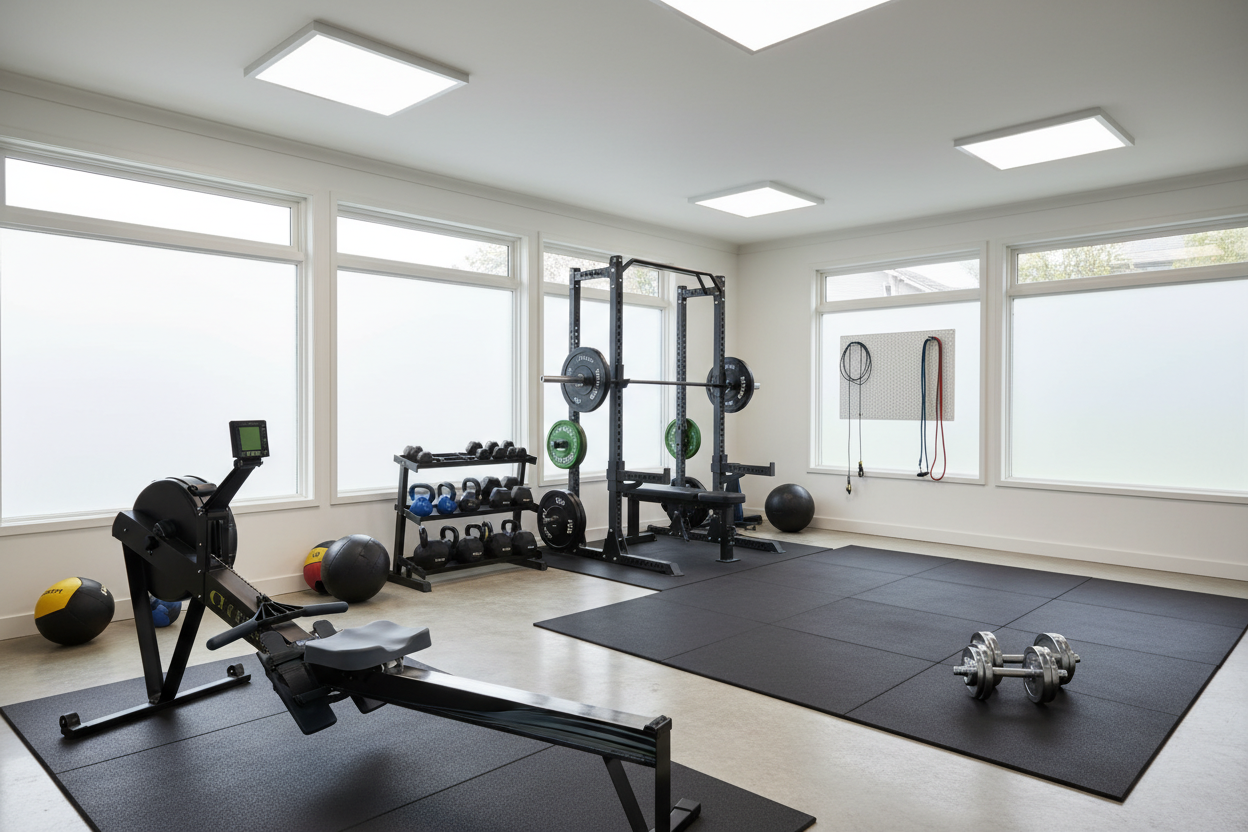
I remember the exact moment my left shoulder gave up on me. I was halfway through a set of heavy overhead presses in my garage, feeling like a hero, when a sharp 'ping' echoed through my front delt. I did what most people do: I finished the set, went inside, and sat on a bag of frozen peas for an hour. It was a waste of time. If you are looking for actual deltoid muscle pain relief, you have to stop treating your body like a broken refrigerator and start treating it like a high-performance machine that needs recalibration.
Quick Takeaways
- Stop aggressive foam rolling on inflamed tissue; it just causes more damage.
- Isometrics are your best friend for killing pain while keeping your strength.
- Swap the barbell for neutral-grip dumbbells to save your shoulder joints.
- Fix your scapular stability to take the load off your delts.
- Don't stop training; just pivot your focus to what doesn't hurt.
Why I Finally Threw Away My Lacrosse Ball
For years, the standard advice for any muscle ache was to 'smash it.' We’ve all been there—laying on a hard rubber ball, grimacing while we try to grind a knot out of our shoulder. I finally threw my lacrosse ball in the trash because I realized I was just bruising myself. When you have an inflamed muscle belly, aggressively mashing it into a hard surface creates micro-trauma. You aren't 'releasing' anything; you're just irritating a tissue that is already screaming for help.
Think about it like a scab. If you keep picking at it, it never heals. Your deltoid is the same way. Most of the 'tightness' you feel isn't because the muscle is short; it's because the nervous system has locked it down to protect the joint. Grinding a ball into it only makes your brain think the area is under even more attack. Real recovery starts when you stop the localized assault and start focusing on blood flow and stability. I wasted months trying to 'mobilize' my way out of pain when I should have been focused on intelligent loading.
Is It Actually Your Delt, or Something Else?
Before you figure out how to relieve deltoid pain, you need to know if the delt is actually the problem. Most garage gym athletes confuse deltoid strain with biceps tendonitis or a rotator cuff impingement. Here is a quick test I use: stand up and lift your arm straight out to the side. If it hurts right at the top of the shoulder bone, that’s likely impingement. If it hurts specifically in the meat of the muscle when you try to resist someone pushing your arm down, you’ve got a true deltoid issue.
Check your bench press form in your phone's camera. Are your elbows flared out at 90 degrees like a T-frame? If so, you aren't just working your chest; you're hanging the entire weight of the bar on your anterior deltoid and your biceps tendon. That 'shoulder pain' is often just your tendons screaming because they are being used as primary movers instead of stabilizers. If you can't touch your own shoulder blade with your thumb without a sharp wince, the issue is likely deeper than the deltoid, and you need to stop the heavy pressing immediately until you fix your mechanics.
How to Relieve Deltoid Pain Without Skipping the Gym
The worst thing you can do for a sore shoulder is sit on the couch. Total rest leads to atrophy and stiffness. My triage protocol is about maintaining stimulus while removing the specific movements that aggravate the tissue. We want to keep the engine running without redlining the broken part. This three-step approach has saved my training cycles more times than I can count.
Step 1: Start With Long-Duration Isometrics
Isometrics are the 'cheat code' for pain management. When you hold a weight in a static position, it creates an analgesic effect—basically, it numbs the pain. I like to hold a light dumbbell at a 45-degree angle (halfway between a side raise and a front raise) for 30 to 45 seconds. Don't go to failure. The goal is to get the muscle firing without the friction of movement. This tells your brain that the joint is safe, which allows the surrounding muscles to finally relax.
Step 2: Ditch the Barbell for Neutral-Grip Dumbbells
Barbells lock your hands into a fixed, pronated position. This internally rotates your humerus and closes the subacromial space—the tiny gap where your tendons live. If that space is already inflamed, the barbell is a torture device. Switch to dumbbells with a neutral grip (palms facing each other). This opens up the shoulder joint and allows the humerus to move naturally. I find that I can often dumbbell press with zero pain even when a 45-lb barbell feels like a knife in my shoulder.
Step 3: Get on the Floor for Scapular Stability
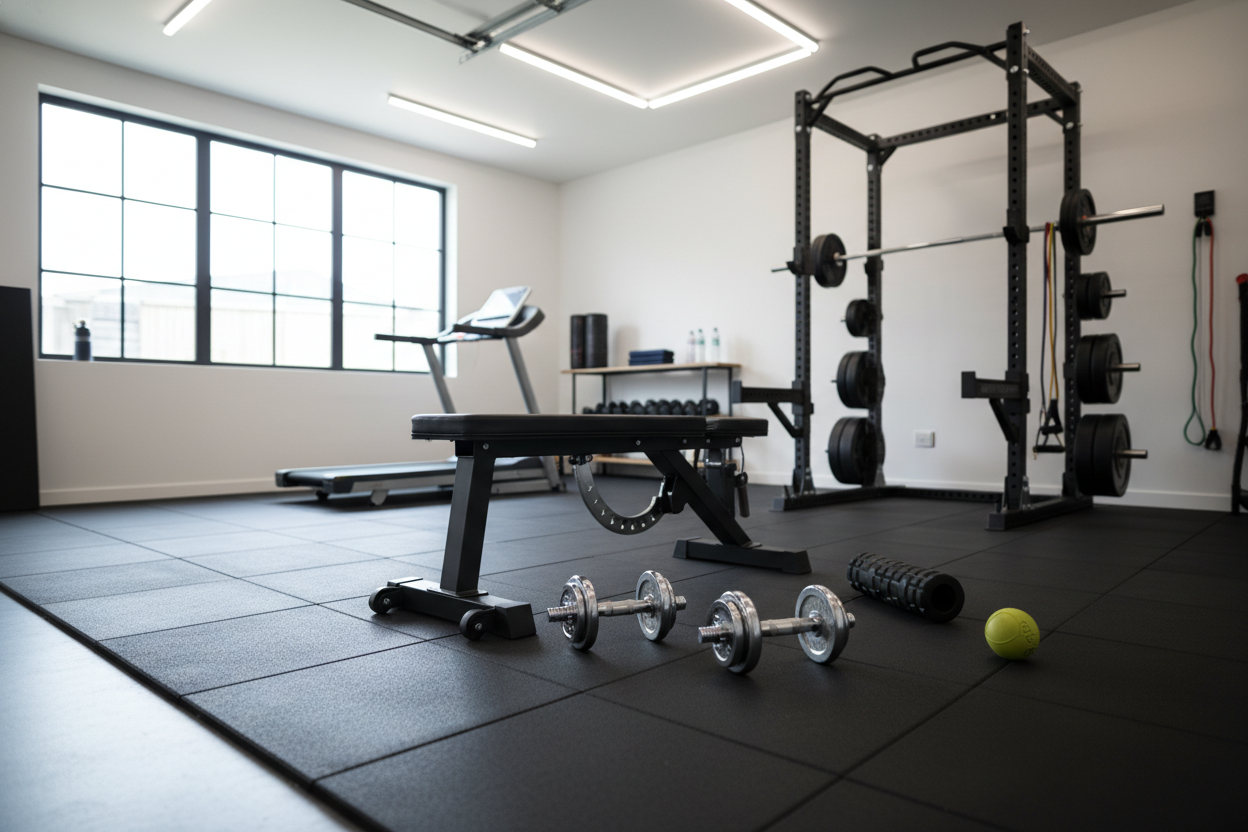
Your deltoids often overwork because your shoulder blades (scapula) aren't doing their job. I move my accessory work to the floor. Bottom-up kettlebell presses while lying on your back force your serratus and traps to stabilize the joint. However, doing these drills on bare concrete is a recipe for bruised elbows and sliding around. I use wide exercise mats because they give me enough real estate to move without my knees catching the edge of a cold slab. Having that extra grip and cushion allows me to focus on the stability of the movement rather than how much the floor hurts my joints.
Don't Let Upper Body Rehab Ruin Your Leg Days
When my shoulder is shot, I stop obsessing over my bench press and start obsessing over my squat and lunges. It’s the perfect time to build a massive lower body. If you're worried about knee pain ruining leg day while your shoulder is out of commission, don't sweat it. You can still build strong quads with bad knees by shifting to machines or belt squats that don't require you to rack a heavy bar across your back.
The goal is to stay productive. If I can't put a bar on my back because my shoulder can't handle the external rotation, I’ll grab a heavy vest or use a safety squat bar. I’ve seen guys quit the gym for a month because of a minor shoulder tweak. That's a mistake. Use the time to fix your weaknesses. By the time your deltoid is healed, you should have added an inch to your quads and fixed your bracing mechanics. That is how a veteran trainee handles an injury.
My Personal Experience
I once tried to 'power through' a 5x5 bench session with a bum shoulder because I didn't want to look weak in my own gym. I ended up unable to lift a coffee cup for a week. The mistake was thinking 'pain is just weakness leaving the body' when it was actually tissue tearing further. I had to swallow my pride, drop the weights by 60%, and spend a month doing nothing but isometrics and neutral-grip work. It was humbling, but I came back with better form and zero pain. Now, the second I feel that 'ping,' I pivot immediately.
FAQ
Can I still bench press with deltoid pain?
Only if you can do it pain-free with dumbbells and a neutral grip. If a standard barbell bench hurts even a little, stop doing it. You are just digging a deeper hole.
How long does deltoid pain take to heal?
If it’s a minor strain and you follow this protocol, you can usually get back to heavy lifting in 2 to 4 weeks. If you keep poking it with a lacrosse ball and trying to max out, it can last for months.
Should I use ice or heat?
Forget the ice unless you just slammed your shoulder into a door frame. Movement and blood flow (heat) are much better for long-term recovery. Use a heating pad for 10 minutes before your workout to get things moving.