Stop Chasing Sweat: The Only Workout Beginner Exercise Rule You Need
I remember my first week trying to get back in shape after a three-year hiatus. I bought a set of cheap hex dumbbells that smelled like a tire fire and followed a YouTube video that had me doing burpees until I nearly puked on my garage floor. I thought that was the point. I thought a workout beginner exercise was supposed to leave you broken.
I was wrong. I ended up so sore I couldn't walk down the stairs for four days, and I didn't touch a weight again for a month. That's the trap. We've been conditioned to believe that if we aren't suffering, we aren't improving. In reality, for workout beginners, that 'no pain, no gain' mentality is the fastest way to end up back on the couch.
Quick Takeaways
- Your first 30 days should be about movement quality, not intensity.
- Stop every set when you feel like you could still do two more perfect reps.
- Consistency beats intensity every single time for beginner workouts.
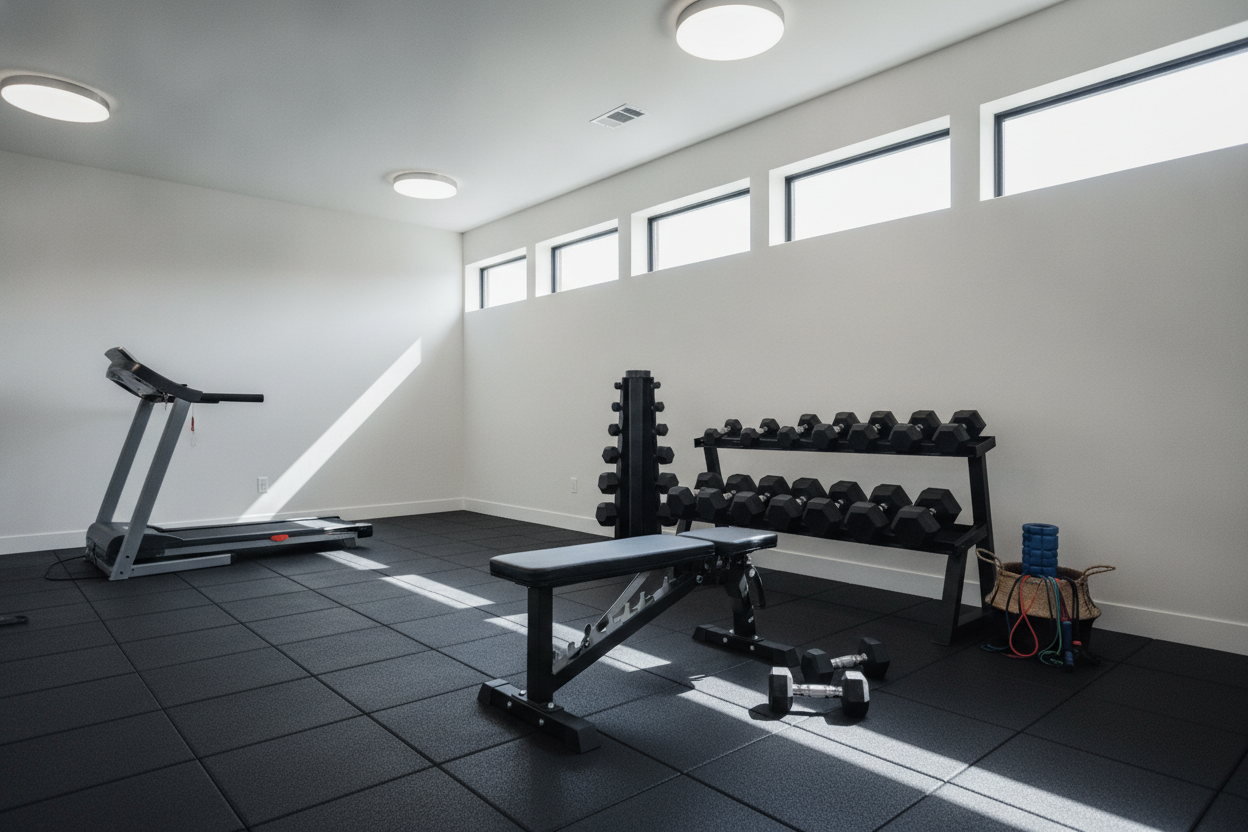
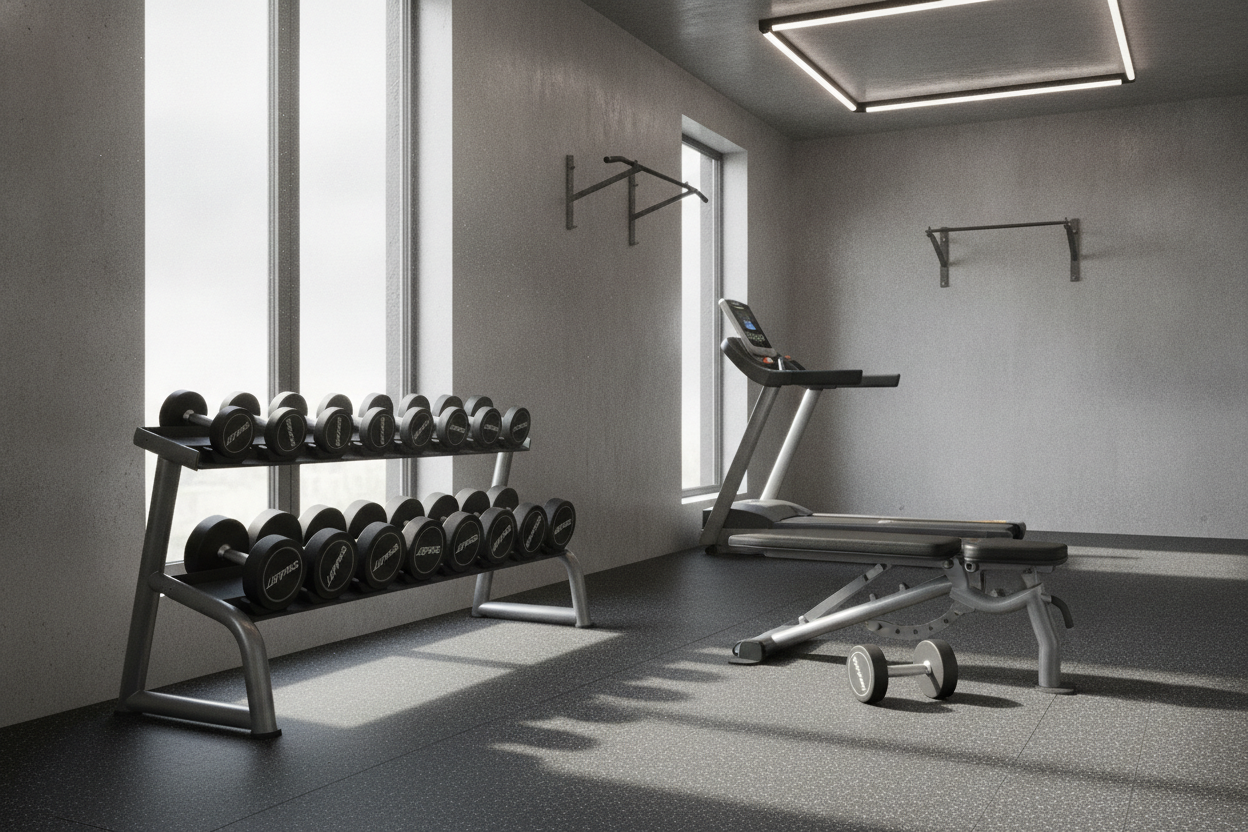
- A dedicated, non-slip space is the most underrated piece of equipment you own.
Why 'Crushing It' is Terrible Advice for Your First Month
The fitness industry sells a lie that sweat is a proxy for progress. It’s not; it’s just your body trying to cool itself down. When you’re looking for a workout for beginners, you’ll see trainers screaming about 'leaving it all on the floor.' That is terrible advice for someone whose tendons and ligaments haven't seen a load in years.
Pushing too hard, too fast leads to systemic fatigue that kills your motivation. You don't want to wake up Tuesday morning feeling like you got hit by a truck. You want to wake up feeling like you could do it all over again. That 'itch' to move is what builds a habit. If you crush yourself on day one, you're just teaching your brain that exercise is a punishment.
The Difference Between a Workout Beginner Exercise and a Pro Movement
There is a massive difference between a movement and a skill. A heavy barbell snatch is a high-level skill. A goblet squat is a movement. A true workout beginner exercise should feel like practice, not a performance. You are literally teaching your nervous system how to coordinate muscle fibers.
You don't need complex multi-joint movements with 45-lb plates yet. You need to master the hinge, the squat, the push, and the pull. If a movement feels awkward or shaky, strip the weight back. The goal is to make the movement look 'boring' because it’s so stable. Punishment is for people who have already built a base; practice is for you.
The 'Leave Two in the Tank' Rule
In the lifting world, we call this RPE—Rate of Perceived Exertion. But for most people starting out, that's too much math. Instead, use the 'Leave Two in the Tank' rule. Every time you do a set, stop when you feel like you could do two more reps with perfect form. If your form starts to wiggle or your speed slows down, the set is over.
If counting reps makes you focus on the number instead of the muscle, try the rep-free timer method. Set a clock for 40 seconds, move slowly, and focus on the tension. This prevents the ego from taking over. You aren't trying to beat a record; you're trying to earn the right to add weight next month.
Three Beginner Workouts That Won't Leave You Sore for Days
You don't need a 5-day split. You need three days a week of full-body movements. Think of it as a Monday-Wednesday-Friday schedule. On Monday, focus on squats and overhead presses. Wednesday, do hinges (like a kettlebell deadlift) and rows. Friday, combine a lunge with a push-up variation.
Keep your sessions under 45 minutes. If you finish and feel like you could have done a little more, you did it perfectly. That extra energy is what you’ll use to show up for your next session. If you want more variety, we have a full library of beginner routines that follow this exact low-friction philosophy. Frequency is the magic pill, not intensity.
Your Environment Dictates Your Consistency
I’ve seen people try to do their workout for beginners on a slippery rug or bare, cold concrete. It’s a disaster. If you're worried about your feet sliding out during a plank or your knees hurting on a hard floor, you aren't focusing on the exercise. You're focusing on the discomfort.
Setting up a dedicated space removes the friction of starting. Even if it's just a corner of the garage, having a reliable 6x4 exercise mat gives you a 'zone' where work happens. It provides the grip you need for mountain climbers and the cushion for floor presses. When the environment is right, the workout feels like a choice, not a chore.
My Honest Mistake
Years ago, I tried to follow a pro-level powerlifting program as a total novice. I thought that if I did what the big guys did, I'd get big results. I ended up with a strained lower back and a shoulder impingement that took six months to clear. I spent more time in physical therapy than I did in the gym that year. I learned the hard way that the 'boring' basics are actually the most effective tools in the shed.
FAQ
How do I know if I'm working hard enough?
If you're breathing heavily but can still speak a full sentence, you're in the sweet spot. If you're gasping for air, back off. Consistency over 12 months beats intensity over 12 days.
Should I use machines or free weights?
Both have a place. Machines are great for safety, but free weights help build the stabilizer muscles you use in real life. Use whatever you have access to that doesn't make you feel intimidated.
What if I miss a day?
Don't try to 'make it up' by doing a double workout the next day. That's a recipe for injury. Just pick up where you left off. The calendar doesn't care; your joints do.