Standing Bike Machine Explained: Is It Worth It?
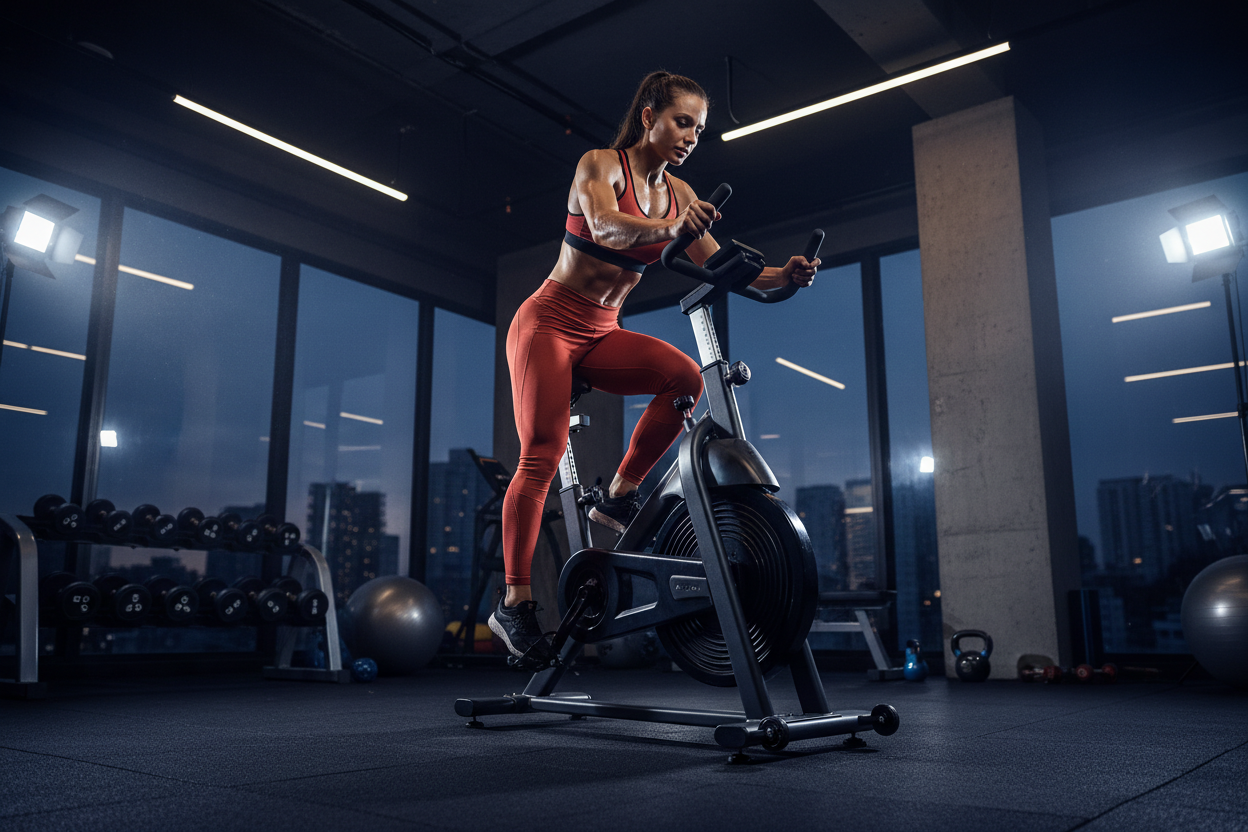
If you spend eight hours a day chained to a desk, the last thing you want to do during your workout is sit down again. Traditional stationary bikes are great for cardio, but they don't do any favors for your posture or core engagement. Enter the standing bike machine—a dynamic piece of equipment that forces you out of the saddle, mimics the intensity of an uphill climb, and breathes new life into stagnant home gym routines.
Whether you are trying to maximize a small apartment corner or looking to add high-intensity interval training (HIIT) to your garage gym, this guide will help you determine if this unique cardio tool is the right investment for your space and goals.
Key Takeaways
- Higher Caloric Burn: Standing engages your core, glutes, and upper body, burning more calories than seated cycling.
- Space Efficiency: Most models have a vertical footprint, making them ideal for tight North American home gym setups.
- Zero-Impact Cardio: Protects your knees and joints while delivering a punishing cardiovascular workout.
- Sturdy Build Required: Because your entire body weight shifts side-to-side, a heavy flywheel and wide base are non-negotiable.
Why Swap Your Seat for a Standing Cycle Machine?
Core and Full-Body Engagement
When you use a standing cycle machine, you aren't just pedaling with your quads and hamstrings. Maintaining your balance requires constant activation of your abdominal muscles, obliques, and lower back. Plus, aggressively pulling on the handlebars during a sprint engages your chest, lats, and biceps. It transforms a standard lower-body cardio session into a full-body scorcher.
Breaking the Posture Trap
We sit in cars, at desks, and on the couch. An upright bike machine forces hip extension and an upright spinal posture, counteracting the hunched position that plagues modern workers. It is an excellent rehabilitative tool for those looking to open up tight hip flexors while building functional endurance.
Fitting an Upright Bike Machine in Your Home Gym
Ceiling Clearance and Footprint
One of the biggest advantages of a standing cycling machine is its compact footprint. Most units require less than 48 inches of floor length, easily tucking into a basement corner or apartment living room. However, you must account for vertical clearance. Since you are standing, add your height plus about 12 to 15 inches (to account for the pedal height at its apex) to ensure you won't bump your head on a low basement ceiling.
What to Look for Before You Buy
Resistance Types and Flywheel Weight
Not all bikes are created equal. For a standing machine, magnetic resistance is the gold standard. It is whisper-quiet, meaning you won't wake up the whole house during a 5 AM session. Additionally, look for a flywheel weighing at least 30 pounds. A heavier flywheel provides the necessary inertia to keep your pedal strokes smooth and jerk-free when you are standing and driving your full body weight downward.
Build Material and Weight Capacity
Because standing bikes endure aggressive side-to-side torque, a high-gauge steel frame is essential. Always check the weight capacity; a commercial-grade feel usually starts with a machine rated for at least 300 pounds. Aluminum components are nice for rust resistance, especially in un-climate-controlled garage gyms.
From Our Gym: Honest Take
We've tested dozens of cardio machines in our facility, and the standing bike machine took me by surprise. At 6'1", I was initially worried about the stability of the handlebars during all-out HIIT sprints. However, once I locked in the adjustable grips and cranked the magnetic resistance to level 8, the machine didn't budge. The sweat-resistant coating on the multi-grip handlebars felt fantastic even when my hands were slipping.
That said, there is a learning curve. Without a seat to fall back on, your first few sessions will heavily tax your calves and core. I found myself gassing out in 15 minutes during the first week. It is a phenomenal tool, but be prepared to build your endurance specifically for the standing position.
Frequently Asked Questions
Is a standing bike machine worth it for a home gym?
Yes, especially if you have limited space and want a low-impact, high-intensity cardio option. It is perfect for those who want to maximize calorie burn in short 20-minute windows without the joint stress of a treadmill.
How much ceiling clearance do I need?
Take your height and add roughly 15 inches to account for the pedal stroke apex and slight bouncing. For a 6-foot-tall user, a ceiling height of at least 7 feet 3 inches is recommended for comfortable clearance.
Can beginners use a standing cycle machine?
Absolutely, though beginners should start with shorter sessions (10-15 minutes) at a moderate resistance. Because you are supporting your own body weight without a seat, it requires more initial core strength and balance than a traditional stationary bike.