Sculpt Stronger Legs: The Ultimate Inner and Outer Thigh Workout
You have likely spent hours on the adductor machine at the gym, squeezing your legs together until they shake, hoping for that defined look. You aren't alone. Targeted leg training is one of the most requested topics I get as a coach. However, most people approach exercises for inner and outer thigh development completely backward.
Many trainees focus solely on aesthetics, ignoring that these muscle groups are the primary stabilizers for your hips and knees. Neglecting them leads to injury; overworking them with poor form leads to imbalances. This guide cuts through the noise to show you how to train these areas effectively for both strength and sculpture.
Key Takeaways: Quick Summary
- Spot Reduction is a Myth: You cannot burn fat specifically off your inner thighs by doing leg lifts. You build muscle there, which changes the shape of the leg as body fat decreases overall.
- Function First: The adductors (inner) and abductors (outer) are critical for pelvic stability. Weakness here often causes knee pain.
- Compound Over Isolation: The best inner and outer thigh exercises are often variations of squats and lunges, not just floor work.
- Frequency: For optimal growth, train these muscle groups 2-3 times per week with moderate volume.
Understanding the Anatomy: Inner Thigh vs Outer Thigh
Before we get into the movements, you need to understand what you are actually training. This isn't just about "slimming down." It is about biomechanics.
The Inner Thigh (Adductors)
Your inner and outer thigh muscles serve opposing functions. The adductors (inner) are responsible for bringing your leg toward the midline of your body. They are heavily involved in squatting movements, acting as a stabilizer to prevent your knees from caving outward too much.
The Outer Thigh (Abductors/Glute Medius)
The "outer thigh" is technically your hip abductors, including the tensor fasciae latae (TFL) and the gluteus medius. These muscles pull the leg away from the body. If you want that sweeping curve on the side of the leg, this is where you focus. More importantly, these muscles keep your hips level when you walk or run.
The Best Workout for Inner and Outer Thighs
An effective inner and outer leg workout combines heavy compound movements with high-repetition isolation work. Here is the hierarchy of movements you should be doing.
1. The Sumo Squat (Inner Thigh Focus)
This is arguably the best exercise for inner and outer thighs when looking for mass and strength. By taking a wide stance and turning your toes out slightly, you shift the mechanical load significantly onto the adductors.
The Science: A wider stance increases adductor magnus activation compared to a narrow stance squat. Ensure your knees track over your toes to avoid torque on the joint.
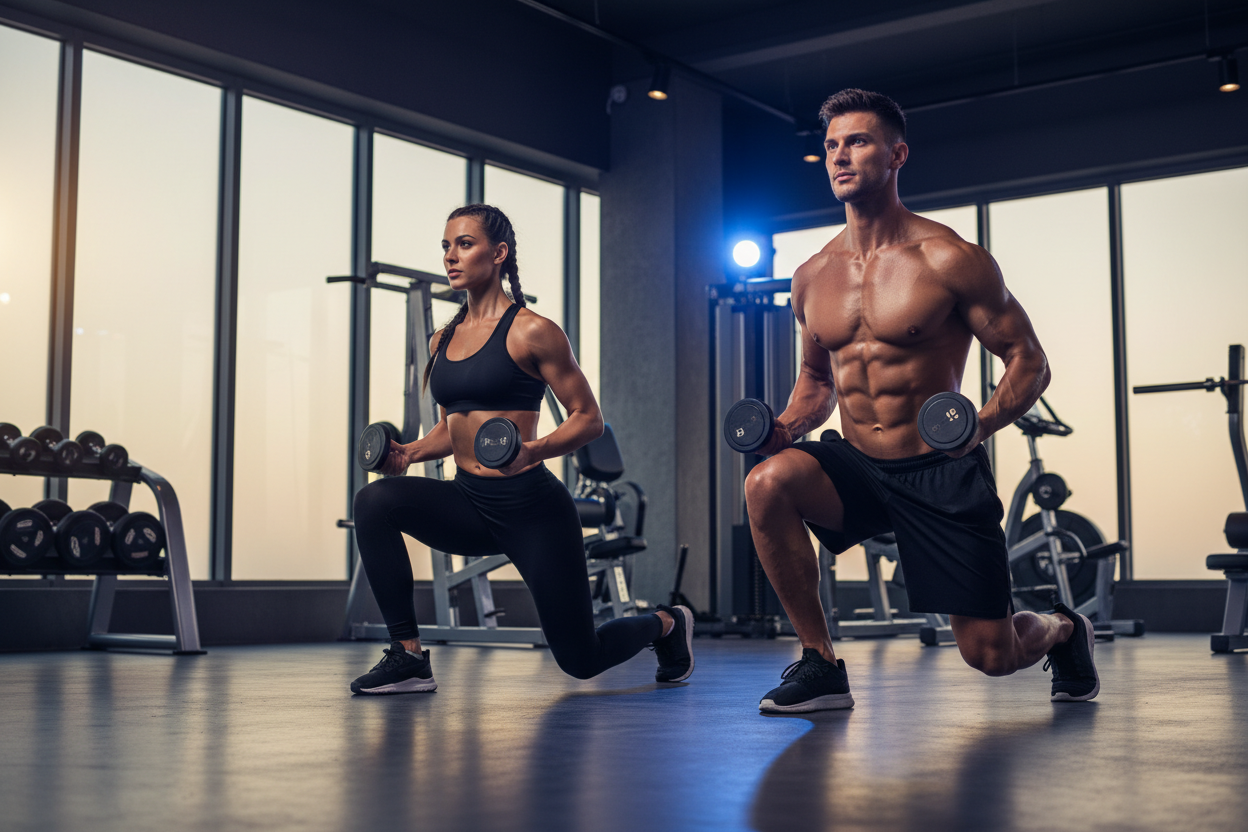
2. Curtsy Lunge (Outer Thigh Focus)
Standard lunges are great, but the curtsy lunge hits the glute medius and outer thigh differently. By crossing the leg behind you, you lengthen the glute medius under load.
Coach's Tip: Don't just step back; step back and across. Keep your front hip pointing forward to maximize the stretch in the outer hip.
3. Copenhagen Plank (The Inner Thigh Sculptor)
Forget the thigh master. The Copenhagen plank is the gold standard for inner thigh sculpt and injury prevention. You place your top leg on a bench and hold a side plank, lifting your bottom leg to meet it.
Why it works: It forces the adductors to work isometrically to hold your entire body weight up. It is humbling and incredibly effective.
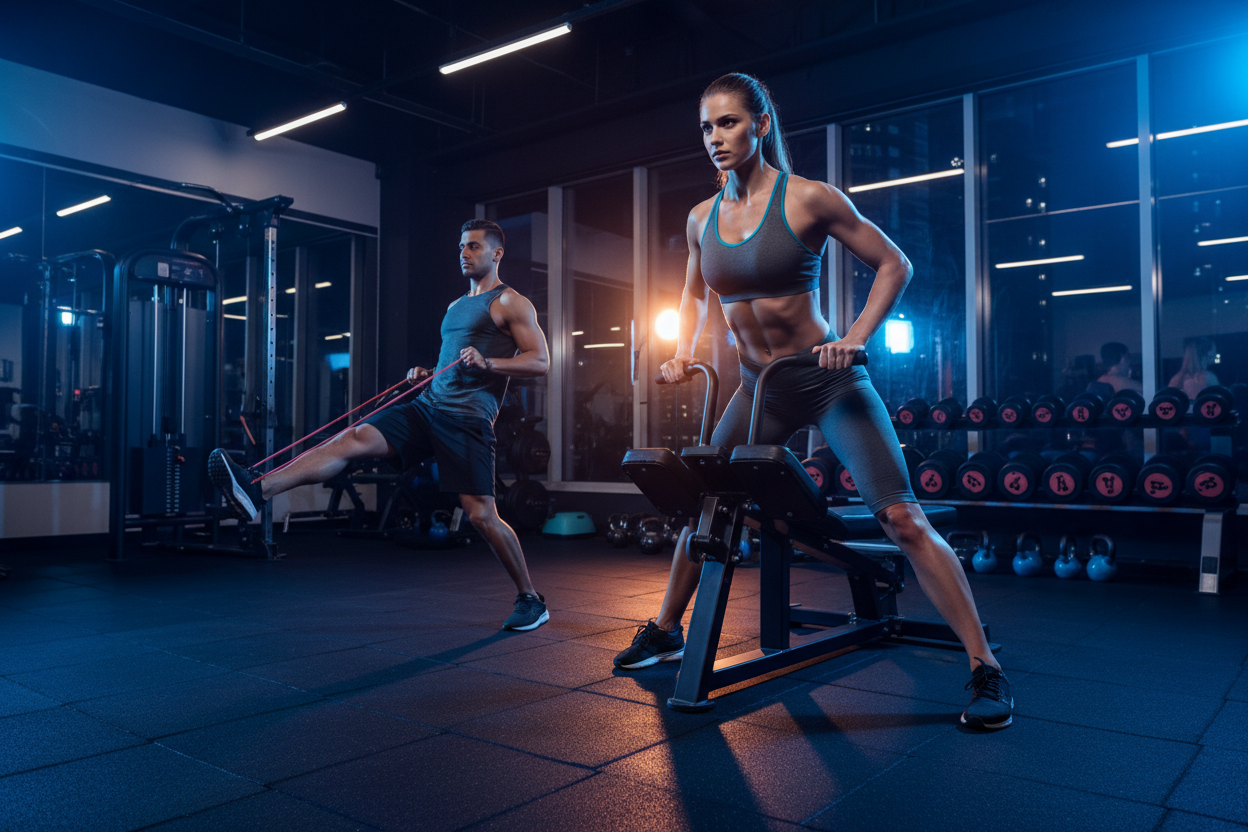
4. Banded Clamshells (Outer Isolation)
This is a staple in physical therapy for a reason. It isolates the outer and inner thigh workout stabilizers without stressing the lower back.
Form Check: Keep your heels touching. Open your knees like a book. If you roll your hips backward to get the knee higher, you are cheating. Range of motion matters less than tension here.
Common Mistakes in Inner Outer Thigh Workouts
Even with the best inner outer thigh exercises, poor execution kills progress. Here are the traps to avoid.
Using Momentum
When doing lateral leg raises or machine work, swinging the weight uses inertia, not muscle. If you can't pause for one second at the peak of the movement, the weight is too heavy.
Ignoring Progressive Overload
Many people do the same 3 sets of 15 reps for years. To change the shape of your legs, you must get stronger. Increase the weight, reps, or time under tension every week.
My Training Log: Real Talk
I want to be honest about my personal experience with exercises for inner and outer thigh. Early in my lifting career, I ignored adductor work completely, thinking squats were enough. I ended up with nagging knee pain that wouldn't go away.
I started incorporating the Copenhagen Plank, and let me tell you, the first time I tried it, I couldn't hold it for more than 10 seconds. There is a very specific, uncomfortable "shake" you get in your groin area when your adductors are weak and failing. It feels nothing like a bicep curl burn; it feels deep and unstable.
Also, regarding the gym machines: I have a love-hate relationship with the seated abduction machine. It works, but if you go too heavy, you end up bracing so hard that you strain your lower back against the seat pad. I found that leaning slightly forward (hinging at the hips) during the abduction machine actually helped me feel it more in my glutes and less in my spine. It’s a small tweak, but it changed the movement entirely for me.
Conclusion
Building strong, defined legs requires a balanced approach. An effective inner and outer thighs workout isn't just about high reps on a floor mat; it requires heavy lifting and precise isolation. Prioritize your form, embrace the uncomfortable burn of the Copenhagen plank, and stop looking for shortcuts. Consistency is the only magic pill.
Frequently Asked Questions
Can inner and outer thigh exercises reduce fat in those areas?
No. This is the myth of spot reduction. Inner outer thigh exercises will build and tone the muscle underneath the fat, giving the leg a firmer shape, but you need a caloric deficit to remove the fat layer covering the muscles.
How often should I train inner and outer thighs?
Since these act as stabilizers in other leg movements, you don't need to train them every day. Including 2 to 3 specific exercises at the end of your leg days (twice a week) is usually sufficient for most people.
Are machines or free weights better for inner and outer thighs?
Both have a place. Free weights (like lunges and sumo squats) are better for overall function and burning calories. Machines are better for isolating the muscle safely to failure without worrying about balance. A good program uses both.