Multi Station Home Gyms: Are They Actually Worth the Investment?
If you're tired of tripping over loose dumbbells or waiting for the squat rack at a crowded commercial facility, you're not alone. Building a comprehensive workout space in a garage or spare bedroom often comes down to a battle against square footage. That's where multi station home gyms step in, offering a consolidated footprint for full-body strength training.
But replacing a room full of iron with a single piece of multi functional gym equipment is a big commitment. In this guide, we break down exactly what to look for, how much space you really need, and whether consolidating your setup is the right move for your fitness goals.
Key Takeaways
- A single multi function gym replaces up to a dozen standalone machines, saving significant floor space.
- Measure your ceiling height; most cable-based stations require at least 84 inches of vertical clearance.
- Weight stack configurations matter—look for dual weight stacks if training with a partner.
- Entry-level models use nylon pulleys, while commercial-grade options feature smoother, durable aluminum pulleys.
Mapping Out Your Gym Home Station
The biggest appeal of multi-purpose gym equipment is its space efficiency, but that doesn't mean you can cram it into a closet.
The True Footprint
While the machine itself might only measure 6 feet by 6 feet, you need working clearance. For a standard North American basement or garage gym, factor in an additional 2 to 3 feet of clearance on all active sides. This ensures you have room to fully extend cables for chest flyes or load plates if it's a plate-loaded system.
Ceiling Height Considerations
Don't forget to look up. If your basement has drop ceilings or exposed ductwork, measure carefully. Lat pulldown bars and high pulleys usually sit around 80 to 84 inches high. If you are over 6 feet tall, you will also need clearance above the machine for seated overhead presses.
What Makes a Quality Multi Function Gym?
Not all multi function fitness equipment is created equal. The difference between a frustrating workout and a smooth, commercial-feel session comes down to the engineering.
Weight Stacks vs. Plate Loaded
Selectorized weight stacks offer convenience—just pull the pin and change your resistance in seconds. This is ideal for drop sets and quick transitions. Plate-loaded systems, however, are often more budget-friendly and allow you to utilize Olympic plates you might already own, offering a higher overall weight capacity for heavy lifters.
Cables and Pulleys
Pay close attention to the pulley system. Entry-level machines frequently use plastic pulleys and unlined cables, which can feel jerky under heavy loads. Look for fiberglass-reinforced nylon or aluminum pulleys paired with aircraft-grade steel cables rated for at least 2,000 pounds. This guarantees a buttery smooth pull during your tricep pushdowns and cable rows.
From Our Gym: Honest Take
We've assembled and tested dozens of these units over the years. Recently, I spent three months running my primary hypertrophy block exclusively on a dual-stack multi station setup in my own garage gym.
The convenience is undeniable. Being able to superset a seated cable row directly into a chest press without walking across the room kept my heart rate up and slashed my workout time by 15 minutes. However, I have to be honest about a minor drawback: the fixed movement paths. As someone with a history of shoulder impingement, I occasionally missed the micro-adjustments I could make with free weights. If you buy a fixed-press station, make sure the seat and back pad are highly adjustable so you can align the handles perfectly with your chest.
Frequently Asked Questions
Is a multi station home gym worth it?
Yes, if you value space efficiency and safety. It allows you to lift heavy without a spotter and replaces thousands of dollars worth of individual machines, making it a highly cost-effective centerpiece for most home setups.
How much weight capacity do I need?
For beginners and intermediate lifters, a 160 to 200-pound weight stack per station is usually plenty, factoring in pulley ratios. Advanced lifters should look for 250-pound stacks or plate-loaded systems that can handle over 400 pounds.
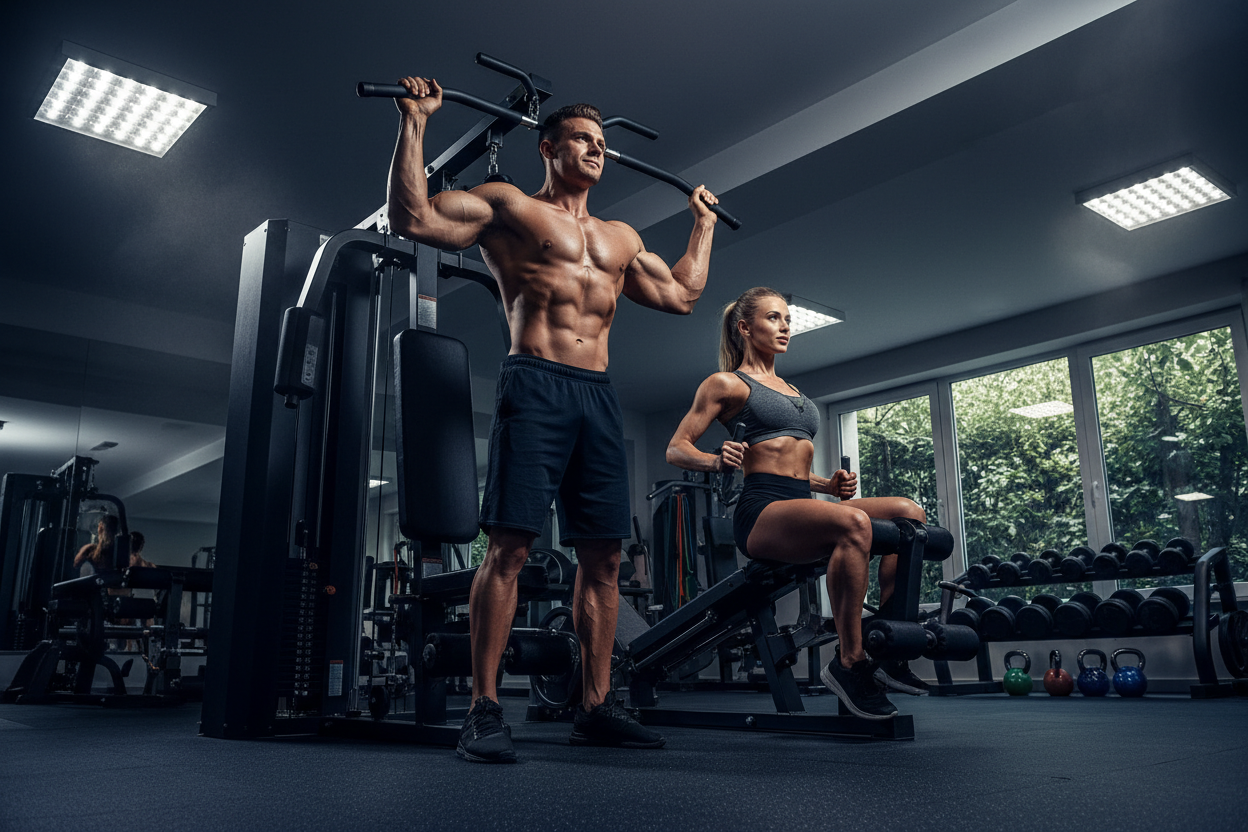
Can two people use a multi station gym at the same time?
This depends on the design. If the machine features dual independent weight stacks, two people can train simultaneously on opposite sides. Single-stack machines only allow one user at a time, regardless of how many stations are attached.