Mastering the Machine Walk: The Ultimate Indoor Step Guide
It’s raining, it’s dark, or perhaps you just don’t have the time to commute to a trail. We have all been there. This is where the humble treadmill saves the day. However, simply stepping onto a belt and zoning out isn't enough to get real results. You need to understand the mechanics of an effective machine walk to truly impact your cardiovascular health and body composition.
Many people treat indoor walking as the "lazy" option. They are wrong. When executed with the right intensity and form, it rivals any outdoor hike. Let's break down how to turn a static piece of equipment into a metabolic engine.
Key Takeaways: Machine Walking Essentials
Before we look at equipment or advanced techniques, here is the core checklist for an effective session. If you are looking for the "secret sauce" to indoor walking, this is it:
- Release the Handrails: Holding on reduces calorie burn by up to 20% and ruins your posture. Swing your arms naturally.
- The 12-3-30 Rule isn't Law: While popular, you can get great results with variable intervals rather than a static incline.
- Motor Matters: For walking specifically, torque is more important than horsepower. Look for high-torque motors that won't overheat at low speeds.
- Shoe Selection: Never walk barefoot on a machine belt; the friction generates heat that can blister your soles and damage the belt texture.
Why the "Machine Walk" is Superior for Controlled Training
The primary advantage of machine walking over outdoor walking is variable control. Outside, you are at the mercy of the terrain. Indoors, you control the variables. This allows for progressive overload—a fancy training term for making things slightly harder over time to force adaptation.
By setting a specific incline or speed, you guarantee a baseline of effort. You cannot subconsciously slow down because you are tired; the belt keeps moving. This forces a mental discipline that outdoor walking often lacks.
Navigating the Gear: What to Look For
If you are setting up a home gym, the market can be overwhelming. You aren't looking for a sprinting treadmill; you need a workhorse designed for lower speeds and longer durations.
Analyzing the Walk Machine Price
When you research the walk machine price, you will notice a massive variance—anywhere from $200 to $3,000. Here is the reality: anything under $300 is usually a "disposable" item. These cheaper units often lack the motor cooling systems required for long, slow walks (which actually stress the motor more than running due to the friction of your foot staying on the belt longer).
Scouting Walking Treadmills for Sale
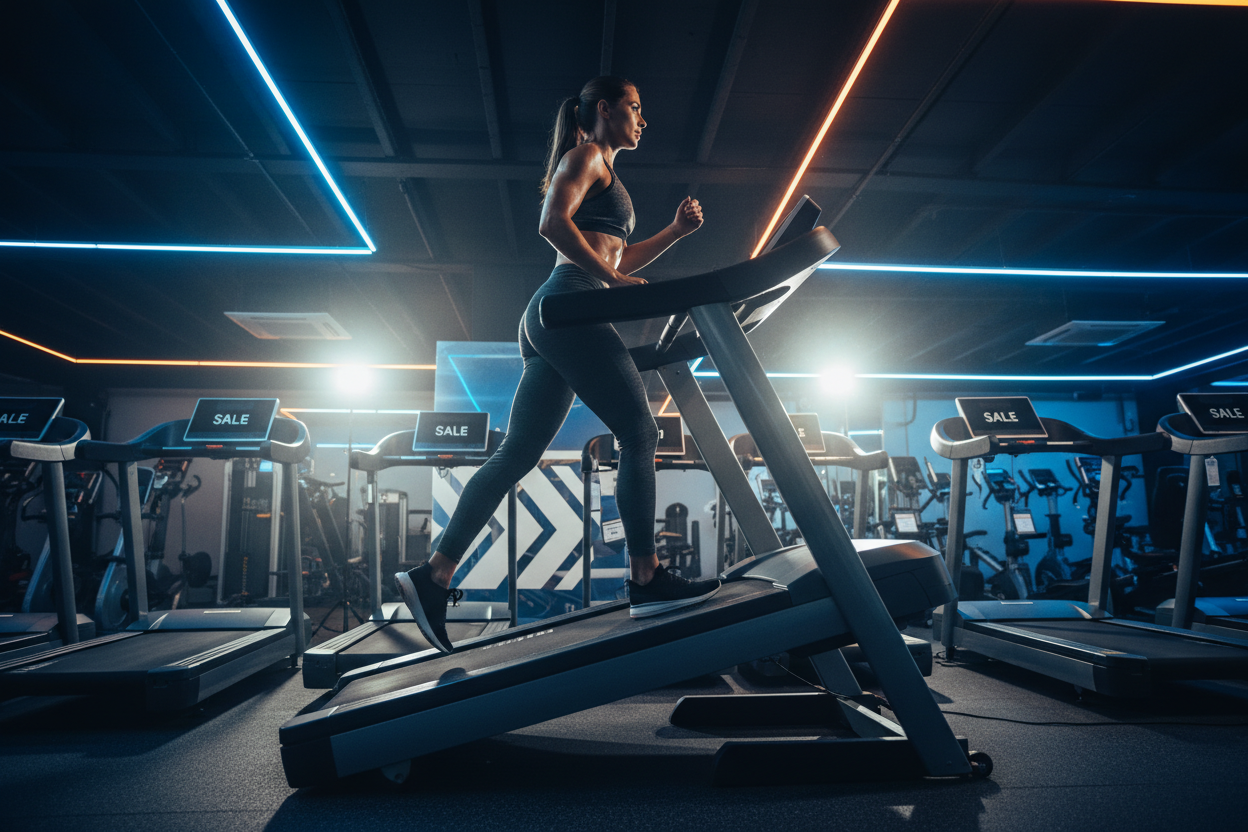
When browsing walking treadmills for sale, ignore the top speed. Instead, look for "deck cushioning" and "continuous duty horsepower" (CHP). A 2.5 CHP motor is the sweet spot for a dedicated walker. It ensures the machine won't stutter when you plant your foot.
Locating a Walk Machine for Sale
If you are trying to find a specific walk machine for sale, check the weight capacity first. A good rule of thumb is to buy a machine rated for at least 50 lbs more than your body weight. This buffer ensures the motor isn't straining at max capacity, which extends the life of the electronics significantly.
Common Mistakes That Kill Progress
I see this in the gym constantly: someone sets the incline to 15%, speeds it up, and then hangs onto the console for dear life. This changes the angle of your body relative to the belt, effectively cancelling out the incline. You are cheating the physics of the workout.
Another error is the "shuffle." This happens when the belt is too fast for your stride length. If you can't complete a full heel-to-toe roll, slow the machine down. Short, choppy steps lead to tight hip flexors and lower back pain.
My Training Log: Real Talk
I want to be honest about my own experience with dedicated walking machines, specifically the under-desk "walking pads" that are trending right now. I bought a mid-range unit last year to keep my steps up while writing.
Here is the unpolished truth that product descriptions won't tell you: The "belt lag" is real.
When I first used it, every time my heel struck the deck, I felt a micro-second hesitation in the belt—a tiny slip. It wasn't broken; it just lacked the flywheel inertia of a heavy commercial gym treadmill. It made me feel slightly dizzy for the first 20 minutes, almost like "sea legs."
Also, nobody talks about the static electricity. After a 60-minute session in dry winter air, I touched my laptop and a visible blue spark jumped from my finger to the chassis. I learned the hard way: if you are doing a long machine walk, use an anti-static mat underneath, or you might fry your electronics.
Conclusion
The machine walk is not a consolation prize for when you can't go outside; it is a legitimate training tool. Whether you are using a high-end commercial treadmill or a compact walking pad, the principles remain the same: posture first, hands off the rails, and consistent effort. Don't let the simplicity of the movement fool you—done right, it is a powerhouse for health.
Frequently Asked Questions
Is a machine walk as effective as walking outside?
Physiologically, yes. In fact, because you can set a constant speed and incline, you often burn more calories on a machine because you eliminate the natural slowing down that happens outdoors when you get distracted or tired.
How long should a machine walking session last?
For general health, 30 minutes is the baseline. However, for fat loss, extending the session to 45-60 minutes is ideal as it allows the body to shift primarily into fat oxidation without the high cortisol stress of intense running.
Why does my lower back hurt after machine walking?
This usually stems from two issues: holding the handrails (which forces you to lean forward) or wearing running shoes with a very high heel drop, which can alter your pelvic tilt. Try reducing the incline and focusing on engaging your core.