Is the Gym Roller Machine Actually Effective? The Honest Truth
You have likely walked past that strange-looking equipment in the recovery corner of your fitness center. Maybe it is a wooden drum spinning on its own, or perhaps a sleek, vibrating cylinder. The gym roller machine sits there, promising recovery, cellulite reduction, and core strength, but it often leaves gym-goers confused about its actual utility.
Is it just a lazy way to foam roll, or does it offer legitimate physiological benefits? Understanding the mechanics behind this equipment can change your recovery game entirely. We are cutting through the marketing noise to tell you exactly what these machines do to your fascia and muscles.
Key Takeaways
- Lymphatic Drainage: Powered rolling machines primarily assist in moving lymph fluid, reducing water retention and inflammation.
- Myofascial Release: Like manual foam rolling, these machines break up fascial adhesions, but with consistent, mechanical pressure.
- Not a Weight Loss Tool: While they may smooth the appearance of skin (cellulite), they do not burn fat directly.
- Versatility: The term covers both passive recovery tools (lymphatic rollers) and active gear (ab wheels).
Defining the Types: It's Not Just One Machine
Before we discuss efficacy, we need to clarify what we are talking about. The term "rolling gym equipment" usually refers to two distinct categories.
1. The Powered Recovery Roller (Lymphatic)
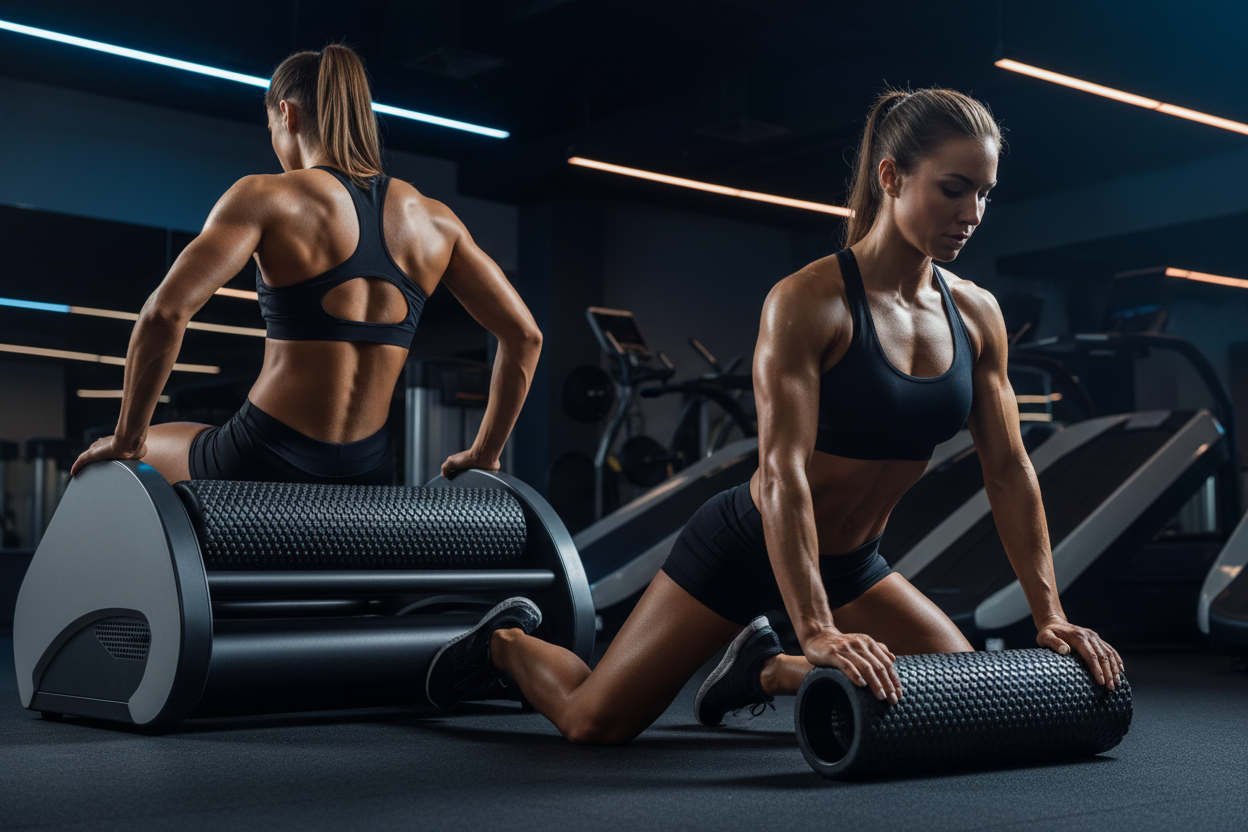
These are often called "roll shapers." They look like rotating drums with wooden or plastic ridges. You lean against them, and the machine does the work. This fits the description of a foam rolling machine or thigh roller machine. The goal here is passive recovery, circulation improvement, and lymphatic drainage.
2. The Active Resistance Roller (Ab Wheel & Pilates)
This is the roller workout machine intended for strength. Whether it is a simple ab wheel or a Pilates foam roller, the intent here is core stability. A rolling machine workout in this context is brutal on the abs and requires high tension to prevent injury.
The Science: Why Use a Rolling Machine for Exercise?
If you are using the powered version, you aren't building muscle; you are maintaining it. The rotating ridges press into the muscle belly and fascia. This mimics a deep tissue massage.
When you use rolling exercise equipment, you stimulate blood flow to the area. This brings oxygen and nutrients to fatigued muscles while flushing out metabolic waste products like lactate. For those targeting specific trouble spots, a thigh roller machine can temporarily reduce the appearance of cellulite by breaking down the fibrous bands pulling down on the skin and reducing fluid retention in the area.
How to Structure a Roller Machine Workout
If you are using an active exercise roller machine (like an ab wheel), form is everything. Here is how to execute a safe roll machine exercise session without destroying your lower back.
The Setup
Start on your knees. Engage your glutes and brace your core as if someone is about to punch you in the stomach. This posterior pelvic tilt is non-negotiable.
The Roll Out
Slowly push the roller exercise equipment forward. Do not go as far as you can; go as far as you can maintain tension. The moment your lower back arches, you have gone too far and defeated the purpose of the rolling workout machine.
Common Mistakes with Rolling Gym Equipment
Whether you are using a powered rolling machine for exercise recovery or an active ab roller, errors are common.
- Rolling Directly on Joints: Never use a foam rolling machine directly on your knee caps or spine. The pressure should be on the muscle tissue, not the bone.
- Speed Over Pressure: On a powered machine, let the drum dig in. If you move your body too fast, the rolling machine workout becomes ineffective friction rather than deep tissue manipulation.
- Holding Your Breath: This creates unnecessary internal pressure. Breathe rhythmically to allow the muscles to relax and accept the massage.
My Personal Experience with Gym Roller Machine
I want to be real about the first time I used a high-end, powered lymphatic gym roller machine (the wooden drum style). I expected it to feel like a spa massage. I was wrong.
The first thing I noticed wasn't relief—it was an intense, almost unbearable itchiness on my thighs and calves about three minutes in. Nobody warned me about the "histamine itch" that comes from that level of rapid blood flow stimulation. It feels like your skin is waking up from a decade-long nap.
Also, positioning is awkward. Trying to get the adductors (inner thigh) onto the spinning drum required me to contort my body into a side-plank variation that was a workout in itself. While the machine did leave my legs feeling lighter and less swollen the next day, it is not a "sit back and relax" experience. You have to actively fight the rotation to keep your position, and the ridges leave temporary indentations on your skin that look like you slept on a wire fence.
Conclusion
So, is the gym roller machine worth your time? If you have access to a powered foam rolling machine, it is an excellent tool for post-leg-day recovery and fluid reduction. If you are looking at an active roller workout machine like an ab wheel, it remains one of the best dollar-for-dollar investments for core strength.
Don't expect miracles for weight loss, but do expect better movement quality and faster recovery times. Treat the equipment with respect, mind your form, and your fascia will thank you.
Frequently Asked Questions
Does a rolling machine for exercise actually reduce cellulite?
A rolling machine for exercise can reduce the appearance of cellulite by improving lymphatic drainage and smoothing the fascia. However, it does not permanently remove cellulite, as it does not burn the fat cells themselves. Consistent use helps maintain the smoother look.
How often should I use a roller machine workout for recovery?
You can use recovery-focused rolling gym equipment 3 to 4 times a week. Sessions usually last between 15 to 30 minutes. Avoid rolling the same muscle group intensely every single day to prevent bruising or tissue irritation.
Is an ab roller machine safe for beginners?
An active roller workout machine for abs is advanced equipment. Beginners should start with a limited range of motion or use a stability ball first. Using an ab roller without sufficient core strength often leads to lower back strain.