If You Can't Pass This Floor Test, Your 'Old Man Exercise' Is Failing
I was at a local commercial gym last week watching a guy in his early 70s absolutely crush the leg press. He was moving four plates on each side with decent range of motion. But then, he dropped his towel. It took him nearly a full minute of scanning the room for a bench to lean on just so he could safely hinge down and pick it up. That is the ultimate disconnect in modern fitness. If your old man exercise routine doesn't translate to the floor, you're building a powerful engine for a car that has no wheels.
- The 'Floor Test' is the most accurate predictor of longevity and independence as you age.
- Seated machines often mask mobility deficits that lead to falls.
- Ground-based movements are the foundation of true fitness over 65.
- High-density flooring is a safety requirement, not a luxury, for aging joints.
- Consistency in floor-to-stand transitions beats heavy lifting for daily utility.
The Ultimate Reality Check for Aging Bodies
The 'floor test' is simple, brutal, and honest. Sit down on the ground. Now, stand back up. If you have to grab a coffee table, a chair, or a spotter to make it happen, your current routine is failing you. We spend so much time focusing on exercise for over 65s that happens in a seated or standing position that we forget the middle ground. The floor is where independence lives or dies. If you can't get down there to play with grandkids or fix a low cabinet, you are losing your freedom.
Most seniors working out spend their time on selectorized machines. While a chest press machine builds muscle, it does nothing for your proprioception—your body's ability to sense its position in space. When you are on the ground, your brain has to coordinate dozens of muscles just to keep you stable. Fitness for over 65 shouldn't just be about how much weight you can push; it should be about how much of your own environment you can navigate without help. Most gym equipment is designed to keep you 'safe' by removing the need for balance, which is exactly why so many people struggle with exercise for people over 65 when they leave the gym environment.
Why You Need to Start Training on the Ground
There is a massive psychological barrier when it comes to over 65 exercises: the fear of the fall. Many people stop getting on the floor because they are afraid they won't be able to get back up. But avoidance is a death sentence for mobility. To stay fit at 65, you have to lean into the movements that scare you. This starts with core rigidity. Movements like deadbugs and bird-dogs aren't just 'ab' exercises; they are lessons in how to keep your spine neutral while your hips and shoulders do the work.
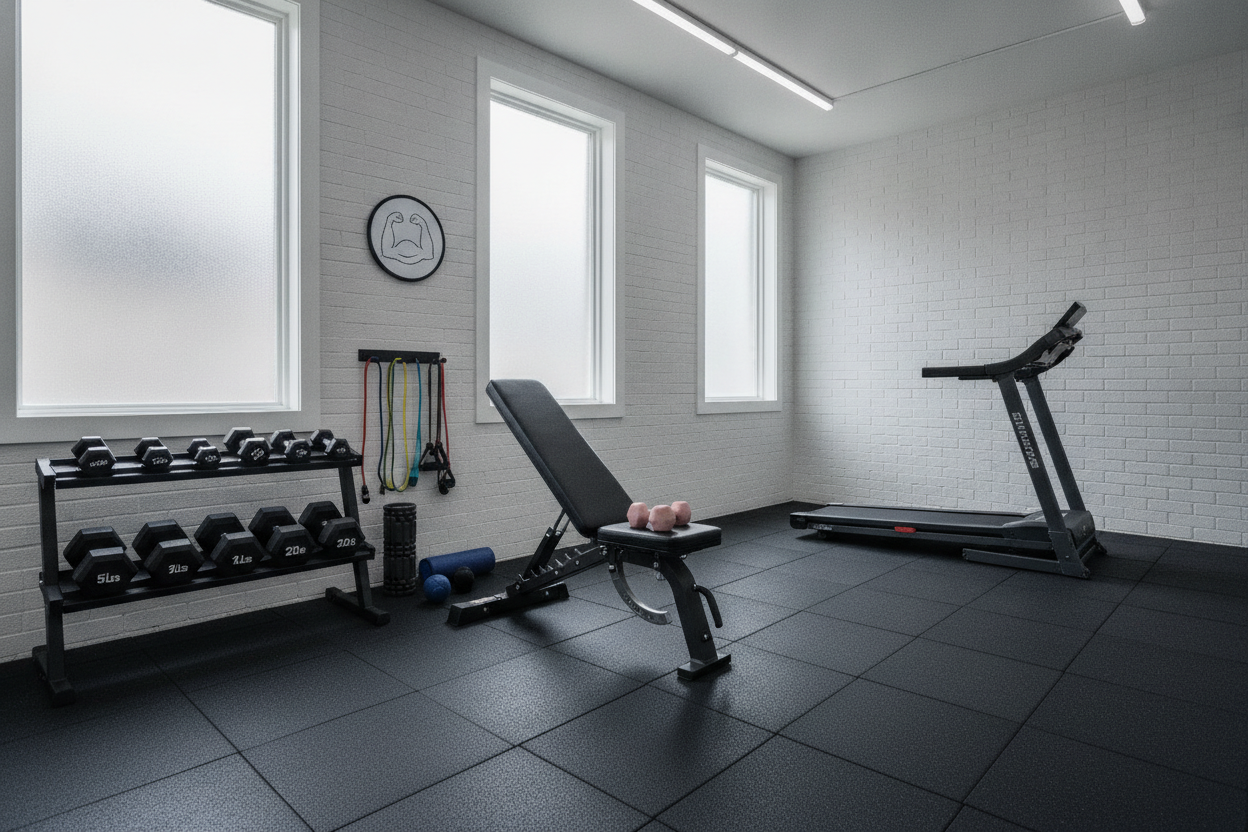
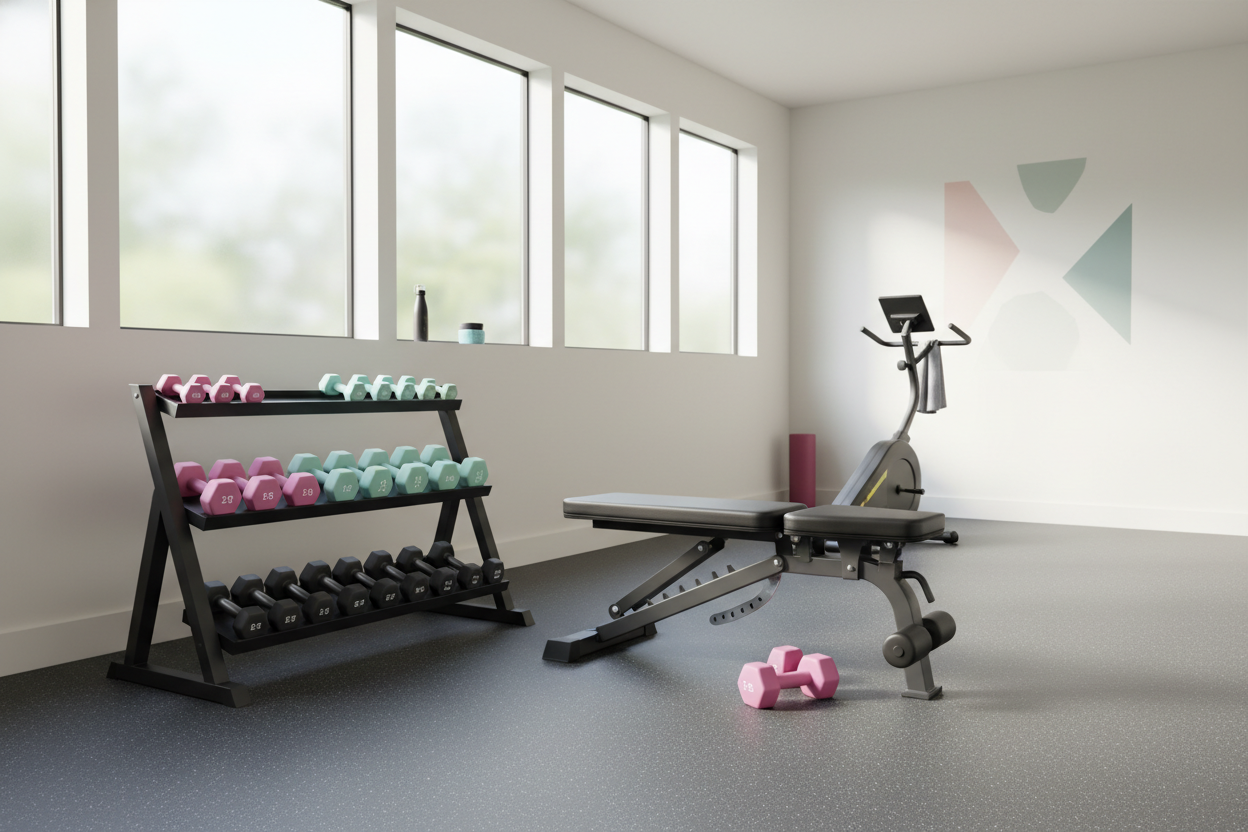
To do this safely, you have to stop trying to train on a thin yoga mat or a dusty rug. If your knees hurt when they touch the floor, you won't do the work. I always tell my clients that a large exercise mat for home gym use is the first piece of equipment they should buy. You need enough space to move laterally without stepping off onto a hard surface. When you have a dedicated, cushioned zone, the floor stops being a threat and starts being a training tool. It’s about creating a 'safe zone' where you can fail a movement without bruising a hip or a wrist.
Building a Floor-Proof Body: The Actual Movements
Mastering the transition from floor to standing requires three specific mechanics. First is the Quadruped Rock. You get on all fours and shift your weight back toward your heels. This tests your ankle and knee flexion. Second is the Half-Kneeling Windmill. This opens the hips, which is where most people over 65 lose their power. Third is the 'Tripod' get-up. This is where you use one hand and the opposite foot to create a bridge, allowing your other leg to swing through.
These mechanics are universal. Whether we are talking about fitness for women over 65 or strength training for men, the physics of getting off the ground don't change. I often argue the best exercise for women over 50 is a heavy carry, but you have to be able to pick the weight up first. If your hips are too tight to lunge from the floor, you'll never be able to safely execute a loaded carry. We are looking for the ability to move through 'transitional' positions—the awkward spots between sitting and standing where most injuries occur.
Setting Up Your Living Room for Safe Training
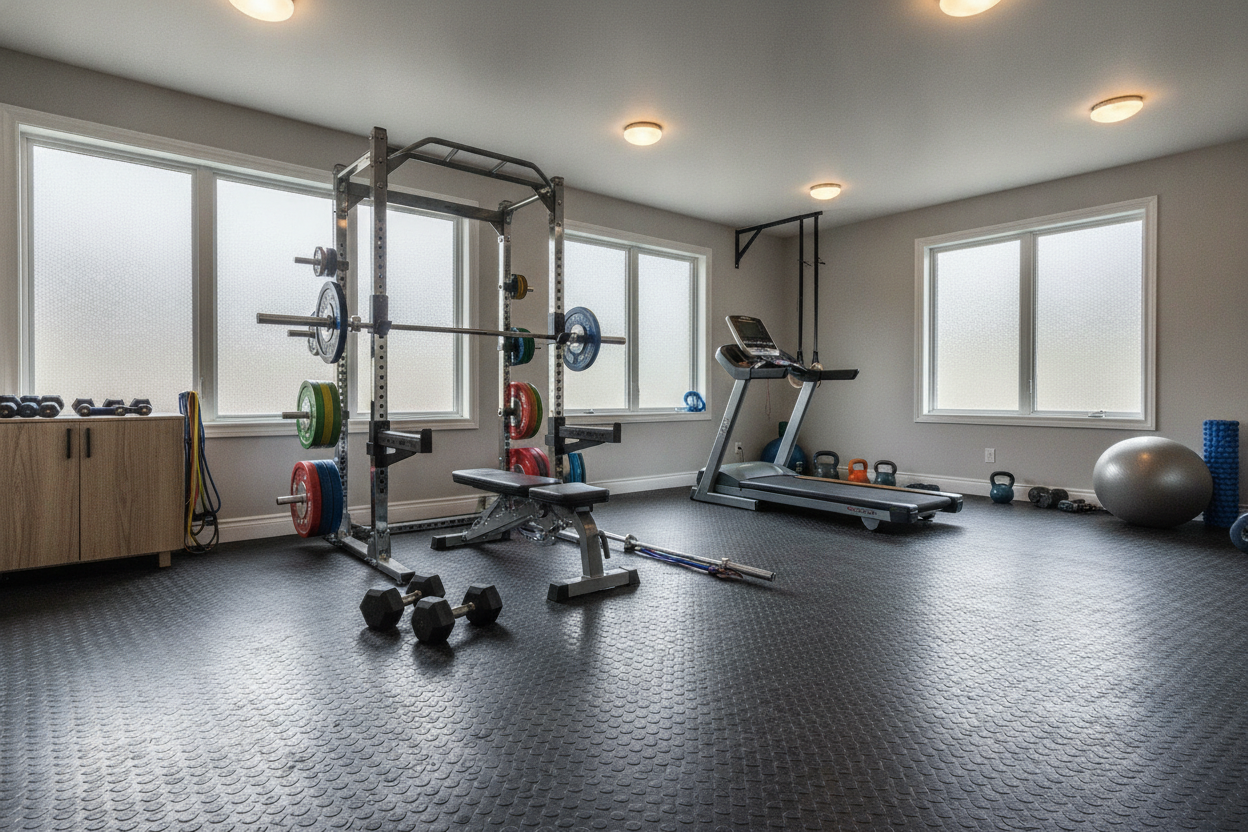
Logistics matter. If you're doing exercise over 65 at home, your environment is your biggest asset or your biggest liability. Throw rugs are a trip hazard. Thin, 3mm yoga mats are basically useless for protecting older joints against a concrete or hardwood subfloor. You need thickness—specifically, 7mm to 10mm of high-density foam that doesn't 'bottom out' when you put a knee down.
I personally use and recommend a 6x8ft exercise mat because it's large enough to accommodate full-body movements. You can't practice a proper get-up on a narrow strip of rubber. You need the 'runway' to roll over and stretch out. Look for a mat with a non-slip backing; the last thing you want is the mat sliding across the floor while you're in a vulnerable half-kneeling position. High-density PVC is usually better than standard foam because it provides a firm base that won't make you feel like you're standing on a marshmallow, which is vital for balance.
Putting It Together: A Weekly Routine to Stay Fit at 65
Consistency is the only way this works. You don't need to spend two hours in the gym. You need 20 minutes, three times a week, focused on these transitions. Start with 5 minutes of ground flow (rolling and reaching), followed by 10 minutes of 'floor-to-stand' practice, and finish with basic resistance work like squats or push-ups against a counter. Having a weekly exercise plan keeps you from falling into the trap of 'random activity' that doesn't actually build skill.
Focus on the quality of the movement. If you find yourself holding your breath or gritting your teeth, scale it back. Use a chair for light assistance at first, then move to a lower stool, and eventually, move to nothing at all. The goal is to make the act of getting off the floor as subconscious as breathing. When you stop thinking about how to get up, you've officially won the battle against aging.
How I Learned the Hard Way
A few years ago, I was training my father. He was 'fit' by most standards—he walked three miles a day and used light dumbbells. But one day he tripped in the garden and couldn't get up. He wasn't hurt, but he lacked the specific hip and core coordination to push himself off the grass. It was a wake-up call for both of us. I had focused so much on his 'cardio' that I ignored his utility. We spent the next six months on a 6x8 mat doing nothing but ground transitions. Now, at 78, he can drop for 20 pushups and stand back up without a groan. It’s not about the weight on the bar; it’s about the control of the frame.
FAQ
Is it safe to get on the floor if I have bad knees?
Yes, but you must use high-density padding. Avoid 'squishy' mats that lack support. Use a chair for assistance as you lower yourself down, and focus on the 'descent' phase—this builds the eccentric strength needed to protect your joints.
How often should I practice the floor test?
Practice the mechanics daily, but only test your 'unassisted' stand once a week. You want to build the skill without overtaxing your joints or risking a fall due to fatigue.
What if I can't get up without help yet?
That is your starting point. Use a sturdy bench or chair for support and gradually reduce the amount of pressure you put on it. It’s a progression, not an overnight switch.