I Ditched the Pink Dumbbells: A Real Female Weight Training Guide
I remember standing in the sporting goods aisle ten years ago, staring at a pair of neoprene-coated 3-pound dumbbells. I bought them because a magazine told me I needed to 'tone' without getting 'bulky.' It was the biggest waste of twenty bucks and six months of my life. This female weight training guide is for the woman who realized that 'toning' is just a marketing word for building muscle and losing fat—and you can't do either with weights lighter than your purse.
Quick Takeaways
- Stop chasing the 'burn' and start chasing the weight on the bar.
- Compound movements (squats, deadlifts, presses) are the most efficient use of your time.
- You need a power rack if you want to lift heavy safely at home.
- Progressive overload is the only way to see actual physical changes.
Why You Are Stuck in the 'Toning' Trap
The fitness industry has been lying to you. They want you to believe that high-rep circuits with tiny weights will magically sculpt your body. In reality, that's just cardio with accessories. If you want to change your shape, you have to give your muscles a reason to grow. That means lifting heavy enough to actually challenge your central nervous system.
I spent years doing 20-rep sets of glute kickbacks. My glutes didn't change, but my frustration did. When I finally started a real weightlifting guide for women, I realized that five heavy reps do more for your physique than fifty easy ones. Progressive overload—adding a little more weight or one more rep every single week—is the secret sauce everyone ignores because it's hard.
The Core Lifts Every Women's Weight Training Guide Should Teach
If your current routine has twenty different exercises for 'sculpting' your delts, throw it away. A solid women's weight training guide should be built around four main movements: the squat, the deadlift, the overhead press, and some form of row or pull. These are compound movements, meaning they use multiple joints and muscle groups at once.
Why does this matter? Because you get more bang for your buck. A heavy deadlift works your hamstrings, glutes, back, and grip all at once. You burn more calories, build more muscle, and get out of the gym faster. I'd rather spend 10 minutes on heavy sets of five than 40 minutes wandering between isolation machines.
Squats and Deadlifts (Yes, With a Real Barbell)
Don't be afraid of the 45-pound bar. Most women are significantly stronger than they give themselves credit for. When I first started, I was terrified the bar would crush me. Then I realized my toddler weighed 30 pounds and I carried him for hours. Loading a barbell is just about mechanics and confidence.
Start with a goblet squat using a kettlebell if you have to, but get under a bar as soon as your form is locked in. For deadlifts, focus on the 'hinge'—pushing your hips back like you're trying to close a car door with your butt. Once you pull 135 pounds for the first time, those pink dumbbells will look like toys.
Gearing Up: What You Actually Need in Your Garage
Your garage doesn't need to look like a commercial gym. It needs to be functional. Most people buy a bunch of junk that ends up as a clothes rack. You need a solid guide to choosing weight training equipment to avoid the fluff. If it's plastic and folds under a bed, don't buy it.
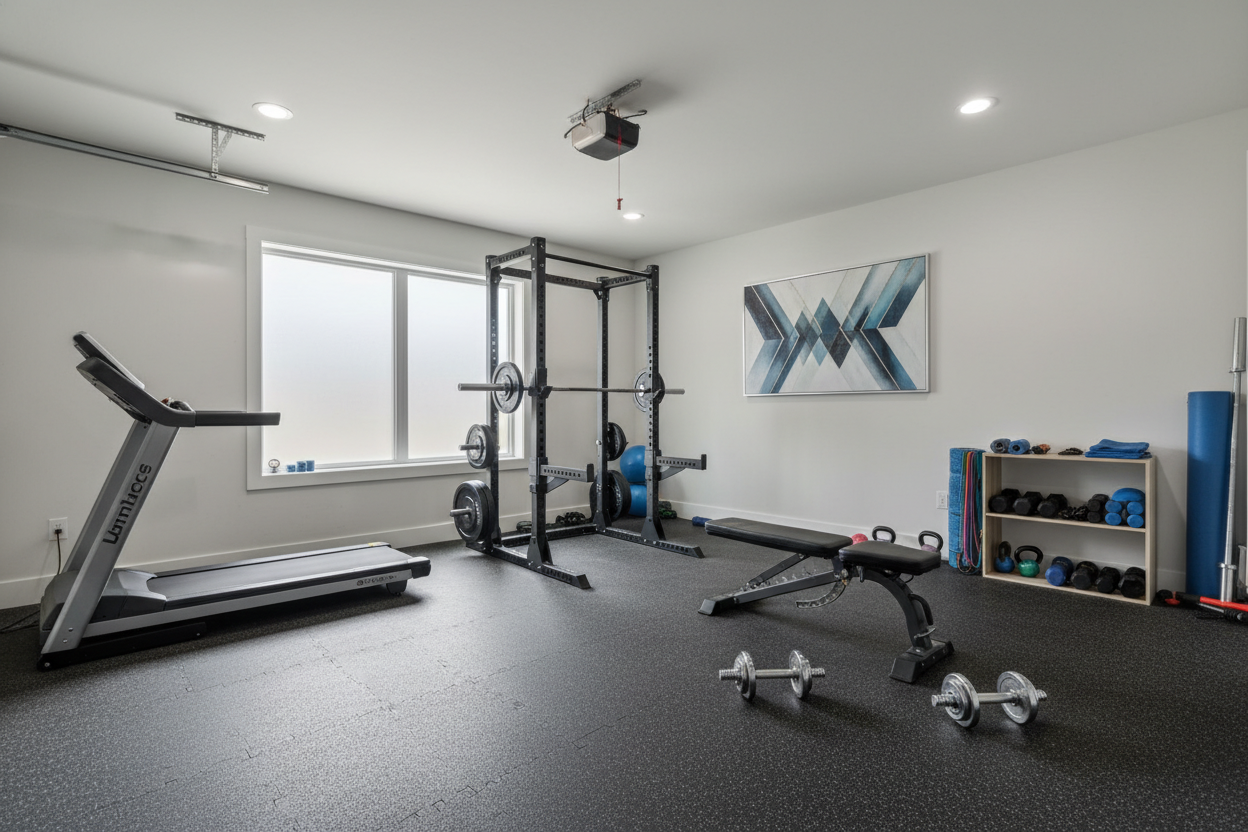
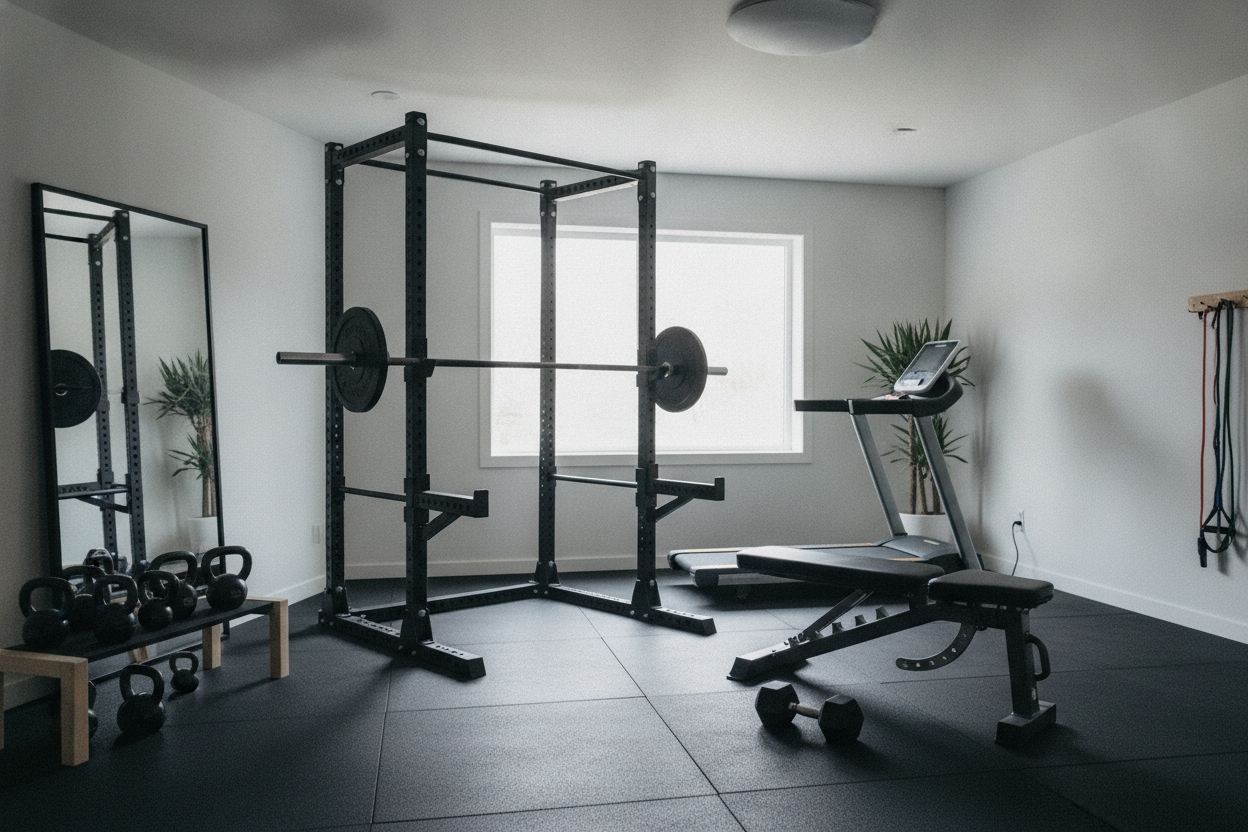
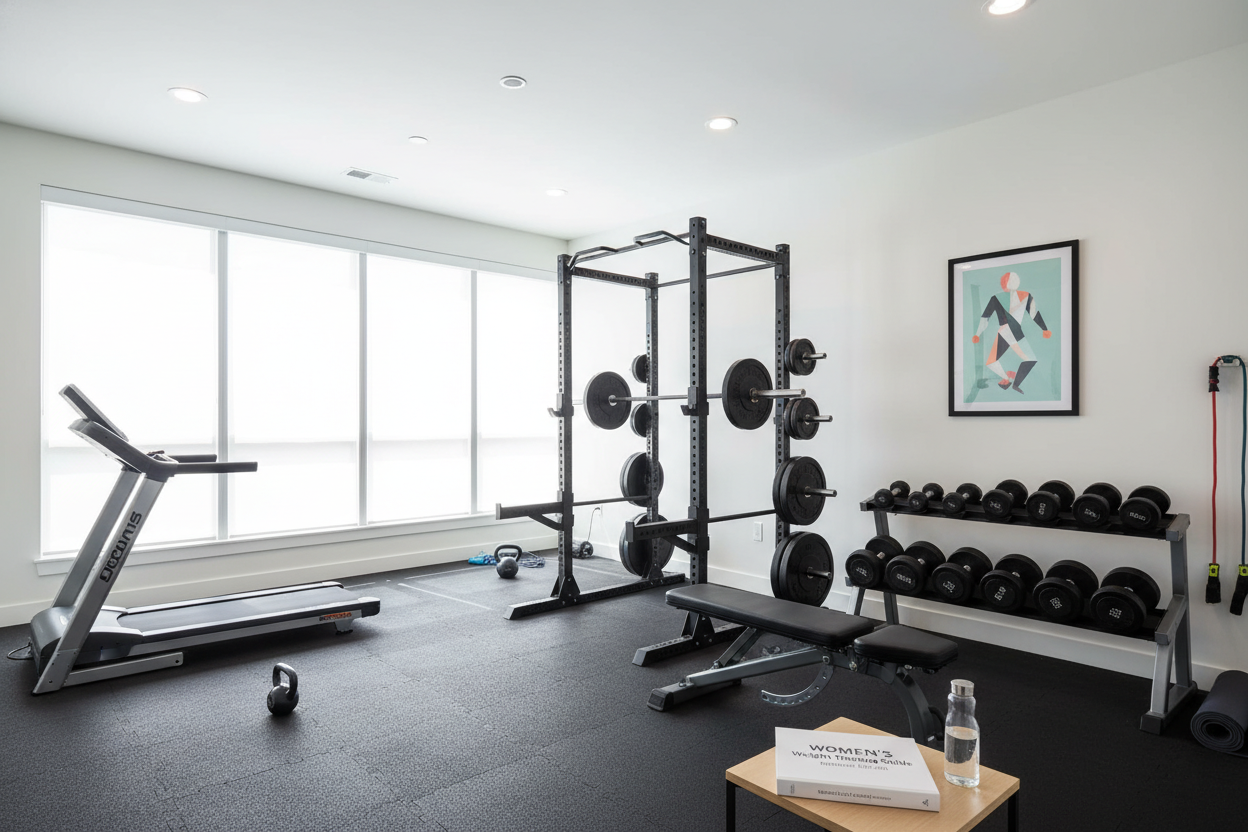
The centerpiece of my setup is a rack. If you're lifting alone, you need safety spotter arms so you don't end up pinned under a bench press. I usually point people toward the Gxmmat X6 Power Rack Weight Bench Package because it handles the safety aspect while giving you a pull-up bar and a place to store plates. It has a footprint that fits in most standard garages without needing a dedicated 20x20 foot space.
Do You Really Need Fancy Gym Contraptions?
I get asked all the time if people should buy those massive weight lifting machines you see at big-box gyms. Honestly? Usually no. Machines fix your path of motion, which means your stabilizer muscles get a vacation. Free weights force you to balance the load, which builds 'real-world' strength.
That said, if you have a specific injury or you're looking for pure hypertrophy (muscle growth) after your main lifts, machines have a place. But for 90% of home lifters, a barbell and a set of plates will outperform a $3,000 cable machine every day of the week. Keep it simple, keep it heavy.
Structuring Your First 4 Weeks of Heavy Lifting
Stop overcomplicating your split. You don't need a 'leg day' and an 'arm day' yet. Hit your whole body three times a week with a day of rest in between. Focus on the big lifts and track every single set in a notebook. If you lifted 65 pounds last week, try for 70 this week. That's the whole game.
One piece of advice: don't cheap out on where you sit. A wobbly bench is a recipe for a shoulder injury. I use the Gxmmat Adjustable Weight Bench because it stays planted when I'm doing incline presses or step-ups. It has a high weight capacity, which you'll appreciate as your numbers start climbing. Spend your first month perfecting your form and slowly creeping those numbers up.
My Biggest Mistake
When I started, I thought I could out-train a bad setup. I tried benching on a literal wooden bench I found in my basement. It tipped, I dropped the bar on my chest, and I couldn't lift for three weeks. Don't be me. Buy equipment that is rated for the weight you want to lift, not just what you can lift today. Quality steel is an investment in your safety.
FAQ
Will lifting heavy make me bulky?
No. Women don't have the testosterone levels to accidentally look like a bodybuilder. It takes years of specific dieting and training to get 'bulky.' Most women just end up looking firm and athletic.
How do I know if my form is right?
Record yourself on your phone. Compare your video to reputable lifters online. If your back is rounding or your knees are caving, strip the weight back and fix it before adding more plates.
Can I do this if I have bad knees?
Usually, yes—and it often helps. Strengthening the muscles around the joint (quads, hams, glutes) provides better support. Just start light and focus on the range of motion.