
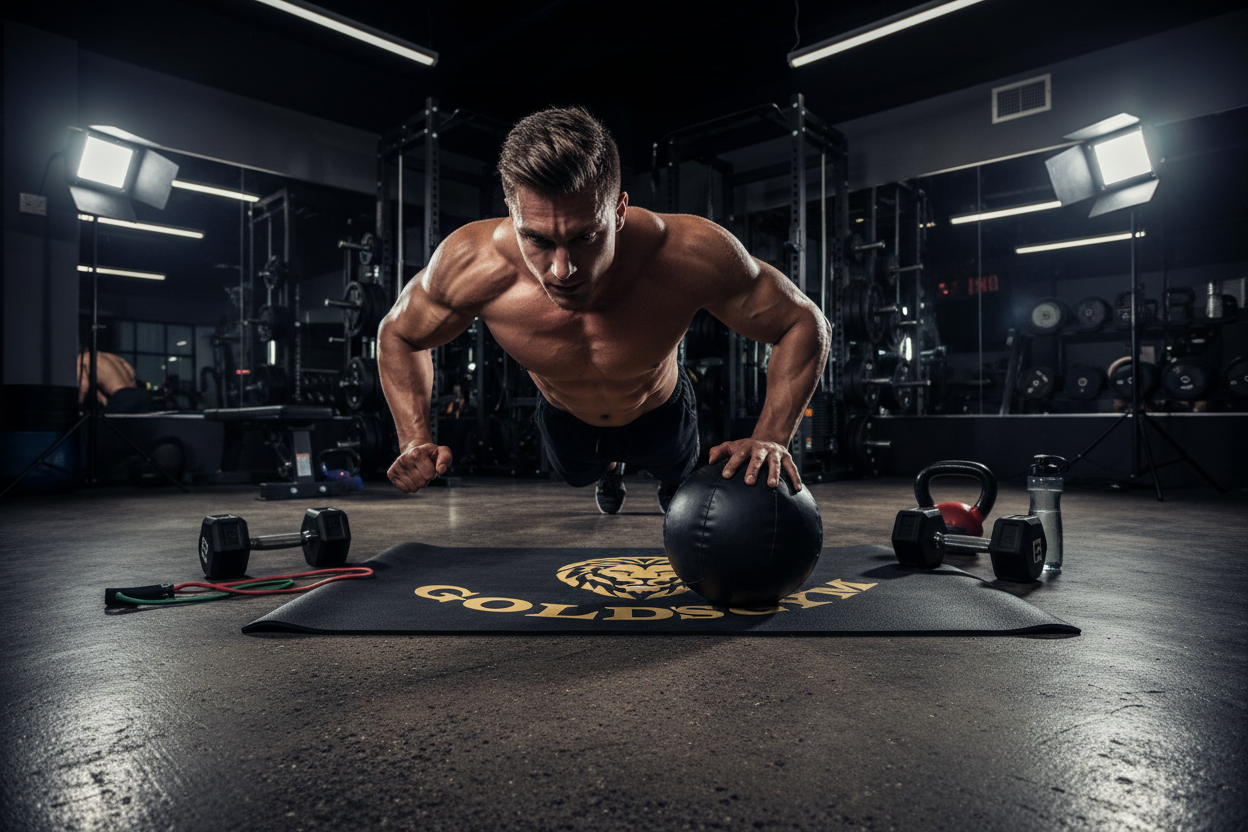
Gold Gym Mat: The Honest Truth Before You Buy
Nothing kills the momentum of a great home workout faster than a bruised tailbone or aching knees from a hard floor. Whether you are setting up a garage gym or carving out a small fitness corner in your living room, the foundation of your training space matters.
If you have been browsing budget-friendly flooring options, the gold gym mat has likely crossed your radar. But does it actually deliver the joint support you need, or will it flatten out after a month of burpees? In this guide, we break down the materials, durability, and practical uses of this popular fitness pad so you can make an informed decision for your home setup.
Key Takeaways
- Optimal Thickness: Most models offer a half-inch of high-density foam, providing excellent joint protection on hard surfaces like concrete or hardwood.
- Portability: Lightweight and easy to roll up, making it ideal for multi-use living spaces and easy storage.
- Best Use Cases: Perfectly suited for bodyweight exercises, core work, and stretching rather than heavy barbell drops.
- Maintenance: The ribbed texture requires a simple wipe-down with non-abrasive cleaners after sweaty sessions to maintain hygiene.
Material and Design: What You Are Actually Buying
When evaluating a fitness mat, the core material dictates its lifespan and performance. Most standard models in this lineup utilize NBR (Nitrile Butadiene Rubber) foam, known for its plush feel and moisture resistance.
The Thickness Factor
At typically 0.5 inches thick, this mat sits right in the sweet spot for floor exercises. It provides significantly more cushioning than a standard 4mm yoga mat. This is crucial if your home gym is situated on a concrete basement floor. However, that extra plushness means it is slightly less stable for advanced standing balance poses.
Texture and Grip
The ribbed surface is engineered to prevent slipping during intense, sweaty sessions. While it grips the floor reasonably well, high-impact lateral movements (like speed skaters) might cause the mat to shift slightly on ultra-smooth surfaces.
How It Fits Into Your Training Routine
Not all mats are created equal, and matching your equipment to your training style is critical for long-term satisfaction.
Core, Mobility, and Yoga
If your routine leans heavily toward Pilates, stretching, or ab circuits, this mat shines. While often marketed broadly, many users successfully deploy it as a gold gym yoga mat for restorative or Yin yoga, where joint comfort heavily outweighs the need for a firm, grounded connection to the floor.
HIIT and Bodyweight Training
For push-ups, mountain climbers, and planks, the shock absorption protects your wrists and elbows. Just be aware that wearing heavy-treaded running shoes or cross-trainers can accelerate wear and tear on the soft foam surface over time.
From Our Gym: Honest Take
We tested the classic gold's gym exercise mat over a six-week period in a chilly, concrete-floored garage gym. The half-inch foam was an absolute lifesaver for hollow body holds and kneeling cable crunches—movements that usually leave our knees and lower back screaming on bare concrete.
However, I did notice a minor caveat: memory compression. When I left a pair of 35-pound hex dumbbells resting on the mat overnight, it left permanent indentations in the NBR foam. It is a fantastic piece of gear for bodyweight support, but you definitely want to keep heavy iron off it to preserve the surface integrity.
Frequently Asked Questions
Is a gold gym mat suitable for dropping heavy weights?
No. These mats are designed for bodyweight exercises, stretching, and light dumbbell work. Dropping heavy barbells or kettlebells requires heavy-duty 3/4-inch horse stall mats or specialized vulcanized rubber gym flooring.
Can I use it outdoors?
While you can take it outside for a quick driveway workout, prolonged exposure to direct sunlight and rough surfaces like asphalt will degrade the foam quickly. It is best suited for indoor use.
How do I clean my exercise mat?
Mix a few drops of mild dish soap with warm water in a spray bottle. Spritz the ribbed surface, wipe it down with a damp cloth, and let it air dry completely before rolling it back up. This prevents mildew and keeps it smelling fresh.


