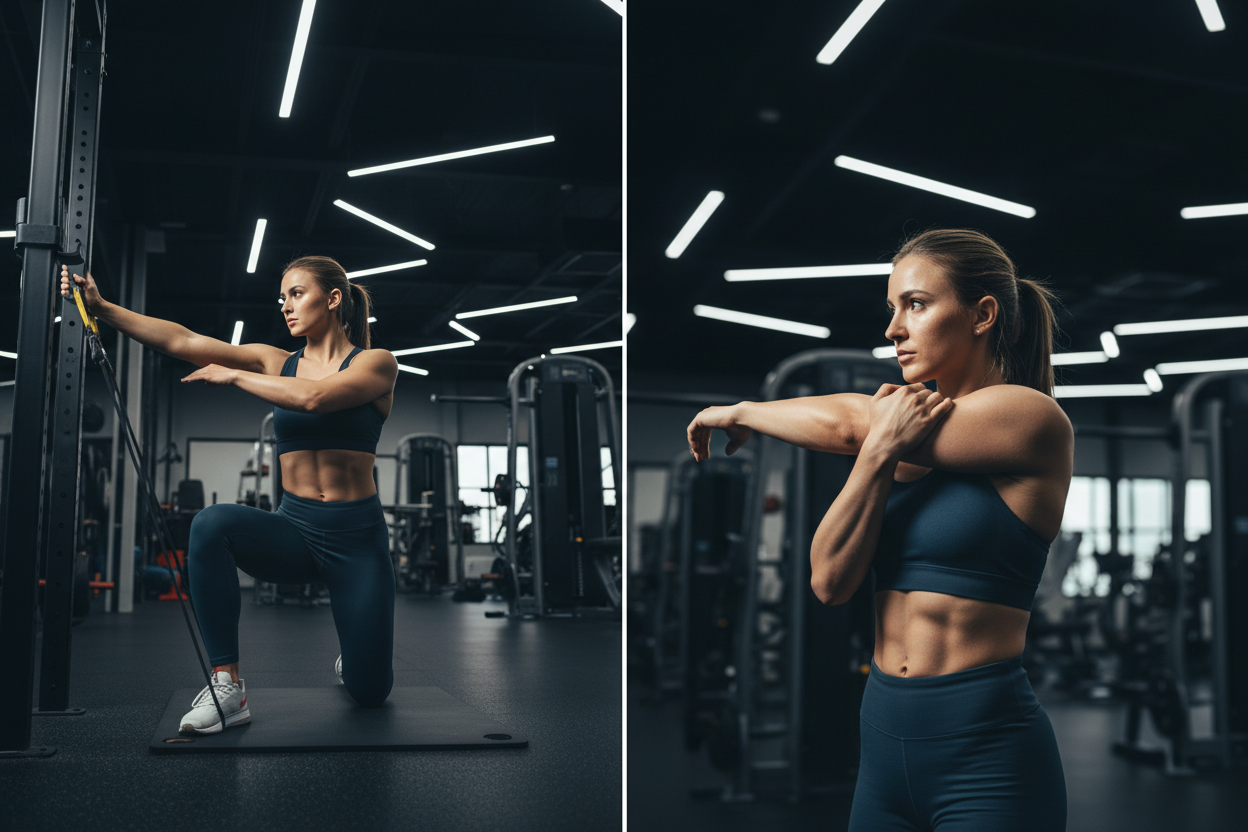
Foam Mat for Outdoor Use: Stop Ruining Your Joints
Taking your workout to the driveway or backyard is one of the best ways to train, but nothing kills a session faster than grinding your knees into hot asphalt or uneven dirt. Whether you are doing HIIT, kettlebell flows, or mobility work, your foundation dictates your performance. That is where investing in a dedicated foam mat for outdoor training becomes essential.
However, dragging your indoor yoga mat or cheap basement puzzle tiles onto the patio usually ends in shredded foam and frustration. The elements demand something tougher. In this guide, we will break down exactly what makes an outdoor foam mat worth your money, how to choose the right specs for your space, and how to keep it from degrading in the sun and rain.
Key Takeaways
- Material Matters: Look for high-density, closed-cell EVA foam or rubber-topped foam hybrids to withstand rough surfaces like concrete.
- UV Resistance is Non-Negotiable: Standard indoor mats will warp, shrink, and crumble when exposed to direct sunlight.
- Thickness Sweet Spot: Aim for 1/2-inch to 3/4-inch thickness for optimal joint protection without compromising balance.
- Portability vs. Permanence: Most foam mats are not designed to live outside 24/7; interlocking designs are best for quick setup and teardown.
Choosing the Right Material for the Elements
High-Density EVA vs. Hybrid Mats
When shopping for outdoor gym flooring, standard EVA foam is often too soft to survive rough concrete or sharp rocks. If you are setting up on a driveway, you need high-density, closed-cell EVA foam. This material resists moisture and provides enough firmness to keep you stable during heavy lifts. For even more durability, consider a hybrid mat—these feature a thick foam core for shock absorption, capped with a thin layer of vulcanized rubber to handle the abrasion of shoes and dropped weights.
Weather Resistance & UV Protection
The biggest enemy of any outdoor foam mat is not your kettlebell; it is the sun. Ultraviolet rays break down the molecular structure of cheap foam, causing it to shrink, curl at the edges, and turn to dust. Always check the manufacturer specifications for a UV-resistant coating. Additionally, because closed-cell foam is non-porous, it will not absorb sweat or morning dew, making it highly resistant to mold and mildew.
Setting Up Your Outdoor Training Space
Concrete Patios vs. Grass Foundations
Your setup surface dictates the type of mat you need. If you are building a temporary garage gym extension on a concrete driveway, grip is your primary concern. Look for mats with a textured, anti-slip bottom to prevent sliding during lateral movements. If you are laying your mat on grass, thickness becomes the priority. A 3/4-inch to 1-inch interlocking mat will help bridge the gap over minor divots and uneven terrain, giving you a flat, stable platform for squats and lunges.
From Our Gym: Honest Take
I learned the hard way that not all mats belong outside. Last summer, I dragged a set of cheap, half-inch basement puzzle tiles onto my driveway for a month of outdoor kettlebell circuits. Within two weeks of exposure to the 90-degree afternoon sun, the interlocking teeth warped so badly they became a tripping hazard, and the foam literally started chalking off onto my clothes.
We eventually upgraded to a set of 3/4-inch, high-density EVA mats specifically rated for outdoor use. The difference was night and day. The firmer density handled my 53-pound kettlebell drops without permanently denting, and the UV treatment kept the edges perfectly flat. My one caveat? Even the best outdoor foam mats are incredibly lightweight. If a strong gust of wind rolls through while you are resting, they will take flight. I always keep a pair of dumbbells on the corners if the breeze picks up.
Frequently Asked Questions
Can I leave my outdoor foam mat in the rain?
While closed-cell foam is waterproof and will not absorb rain, it is not recommended to leave them outside permanently. Prolonged exposure to standing water and intense UV rays will eventually degrade the material. It is best to sweep them off and stack them in your garage or under a covered patio after your workout.
What is the best thickness for outdoor workouts?
For general bodyweight exercises, yoga, and light dumbbell work, a 1/2-inch mat provides a great balance of comfort and stability. If you are doing high-impact plyometrics or training on very uneven ground like a grassy yard, step up to a 3/4-inch or 1-inch mat to better protect your joints.
Will heavy dumbbells damage an outdoor foam mat?
It depends on the density. High-density EVA foam can handle the weight of resting dumbbells and kettlebells without issue. However, dropping heavy cast-iron weights from waist height will likely puncture or permanently compress standard foam. If you plan on dropping heavy loads, you need a rubber-topped hybrid mat or solid rubber stall mats instead.