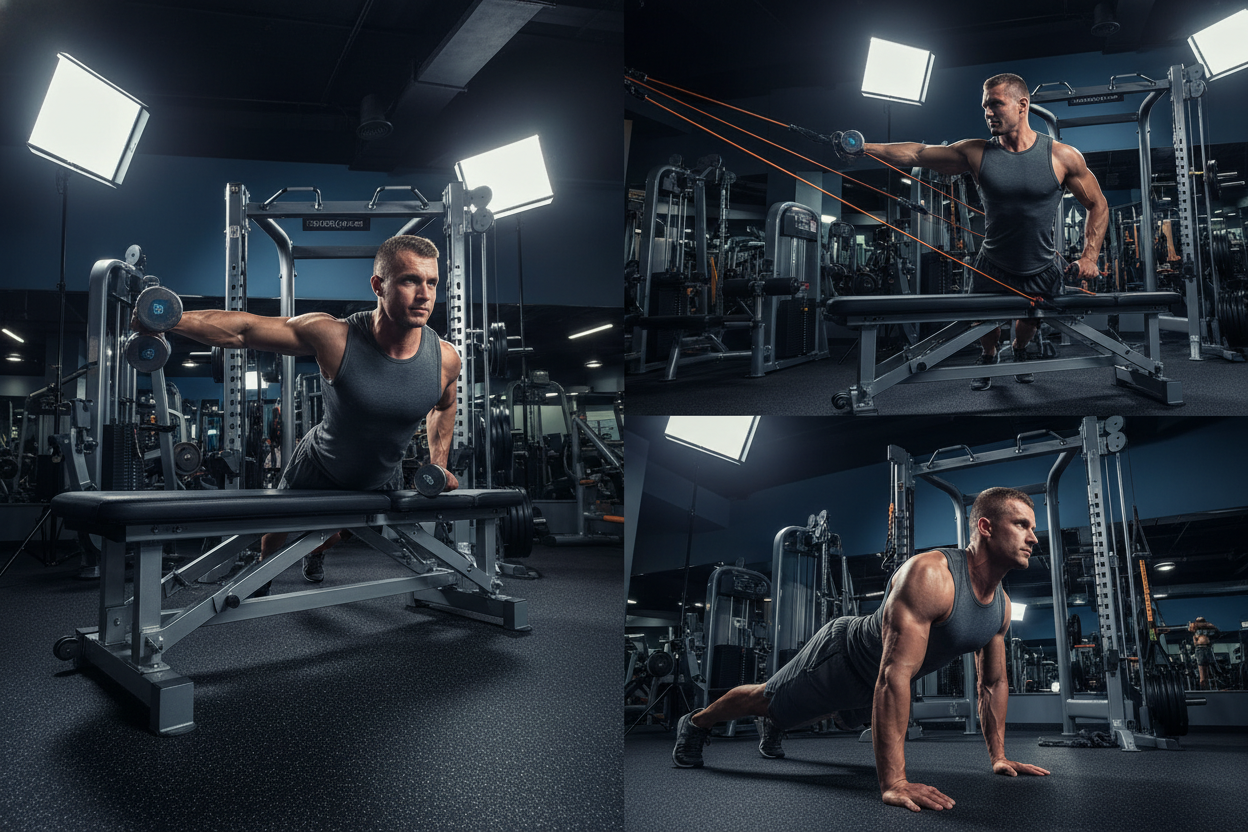
Equipment Fitness: The Definitive Guide for Smart Buyers
You have decided to invest in your health, but you are stuck staring at a browser tab with forty different tabs open. It is a common problem. The market for equipment fitness is saturated with flashy ads, celebrity endorsements, and varying price points that make your head spin.
Buying gear isn't just about spending money; it is about matching biomechanics with spatial constraints and budget. Whether you are building a garage gym or just looking for a pair of dumbbells to slide under the couch, making the wrong choice hurts your wallet and your progress.
Quick Summary: Smart Buying Checklist
If you are in a rush, here are the core pillars of purchasing fitness gear effectively:
- Define the Goal First: Don't buy a treadmill if you hate running. Match the gear to the program (Hypertrophy needs weights; Endurance needs cardio machines).
- Measure Your Footprint: Always account for the "working area" (clearance space), not just the machine's dimensions.
- Check the Weight Rating: For benches and racks, look for a weight capacity of at least 600lbs to ensure structural integrity.
- Test Before You Invest: Whenever possible, try the equipment to check for stability and ergonomics.
- Warranty is Key: A lifetime warranty on frames is the industry gold standard for quality gear.
Determining Which Gym Equipment to Buy
Before you pull out your credit card to shop workout equipment, you need to conduct a needs analysis. The biggest mistake I see is people buying equipment they aspire to use, rather than equipment that fits their current training style.
Space vs. Functionality
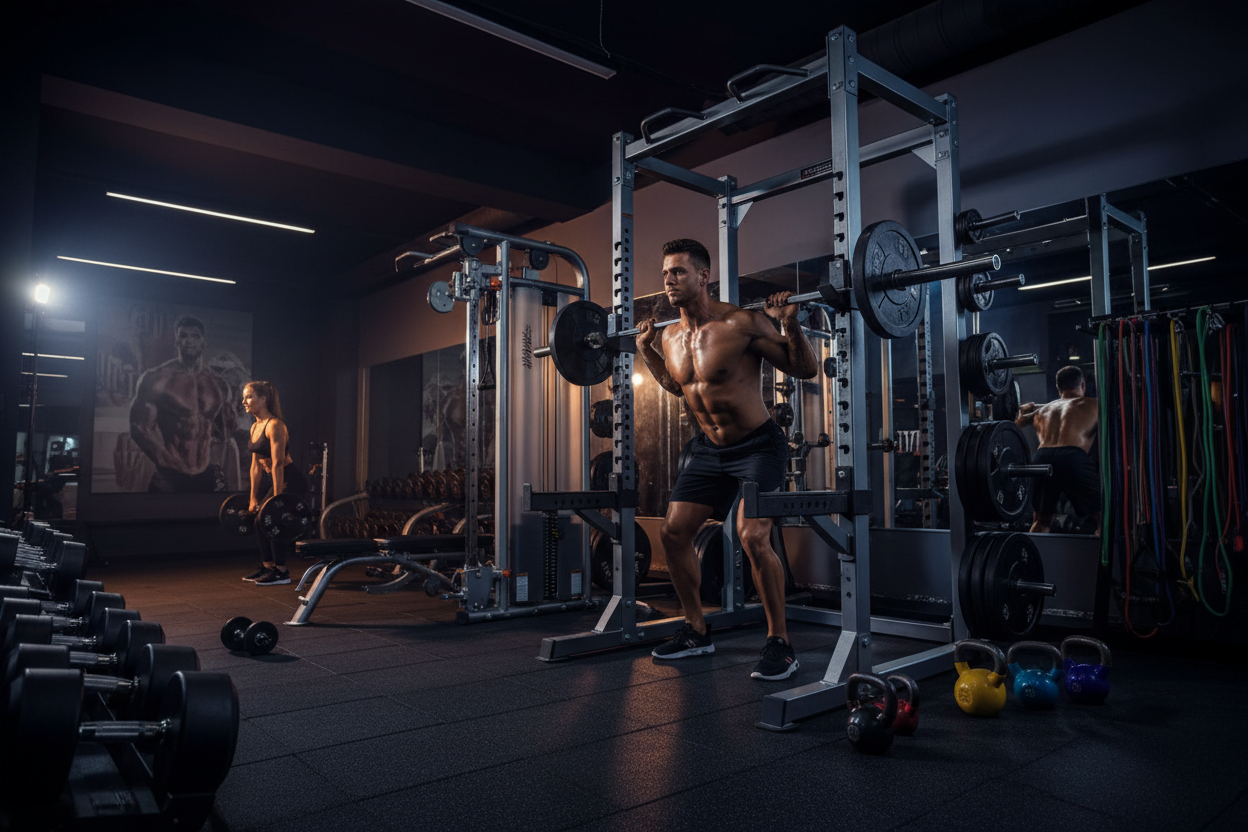
If you have limited space, you need high-density equipment. A power rack with a cable attachment offers more utility per square foot than a dedicated leg press machine. When looking at gym equipment to buy, prioritize compound movements. A barbell, plates, and a rack will always outperform a single-station machine for general fitness.
Where Can I Buy Workout Equipment? (The Sourcing Guide)
This is the most common question I get: "Where can I buy workout equipment that won't fall apart in a month?" The answer depends entirely on your budget and risk tolerance.
1. Specialized Fitness Retailers
If you are asking where to buy fitness equipment that is commercial grade, go to specialized dealers (like Rogue, Rep Fitness, or local fitness depots). These outlets sell gear designed to take a beating. The steel gauge is thicker (usually 11-gauge), and the welding is superior. You pay a premium for shipping, but you buy it once.
2. Big Box Stores
Places like Dick's Sporting Goods or Walmart are accessible answers to where to buy workout equipment for beginners. However, be cautious. The equipment here often uses plastic pulleys or lower-grade steel. It works for light use, but if you plan on lifting heavy, safety becomes a concern.
3. The Second-Hand Market
Wondering where buy gym equipment on a budget? Facebook Marketplace and Craigslist are goldmines. Iron doesn't expire. A cast-iron plate from 1980 weighs the same as one made today. This is often the smartest route for weight plates and dumbbells.
Where Can I Buy Weight Equipment Specifically?
Sourcing weights is different from buying cardio machines. When you look for where can i buy weight equipment, shipping costs are the enemy. Shipping 300lbs of iron is expensive.
The Pro Strategy: Look for local "gym outfitters" or warehouse sales. Many suppliers allow local pickup to save on freight shipping. If you must buy online, look for bundles (Barbell + Bumper Plates) as vendors often subsidize the shipping on large sets to move inventory.
My Personal Experience with Equipment Fitness
Let's get into the nitty-gritty of why quality matters. Years ago, I tried to save money by purchasing a budget "all-in-one" bench from a generic online retailer. It looked great in the photos.
The first time I laid back to press heavy dumbbells, I felt it. The distinct, terrifying wobble of a frame that isn't squared properly. It wasn't just unstable; the gap between the seat and the back pad was right where my lumbar spine settled. Every time I arched my back to press, the vinyl pinched my skin, and the plywood backing creaked ominously.
Compare that to when I finally upgraded to a commercial 3x3 steel rack and bench. The difference is in the "thud." When you rack a heavy squat on quality gear, the energy is absorbed instantly. There is no rattle, no vibration through the floor. That feeling of solidity gives you the psychological safety to push for that extra rep. You can't put a price on trusting that the metal holding 300lbs over your face won't buckle.
Conclusion
Building a home gym or upgrading your gear is an exciting process, but it requires patience. Don't rush to shop workout equipment just because a sale is ending. Focus on the "Big Three": Stability, Warranty, and Utility. Buy the best rack and barbell you can afford, and scrimp on the accessories. Your future self (and your joints) will thank you.
Frequently Asked Questions
Is it better to buy new or used fitness equipment?
For electronics (treadmills, rowers), buy new to get the warranty protection. For static iron (dumbbells, plates, racks), used is generally better because these items rarely break and you can save up to 50% off retail prices.
What is the most essential piece of equipment for a home gym?
If you have the space, a power rack is the centerpiece of any effective gym. It allows you to squat, press, and pull safely. If space is tight, a pair of high-quality adjustable dumbbells offers the most versatility for the smallest footprint.
Does the brand of the equipment really matter?
Yes, specifically regarding resale value and safety. Brands with a reputation for quality (like Concept2 for rowers or Eleiko for bars) hold their value incredibly well. If you ever decide to sell, you can often recoup 70-80% of your investment, whereas generic brands often have near-zero resale value.