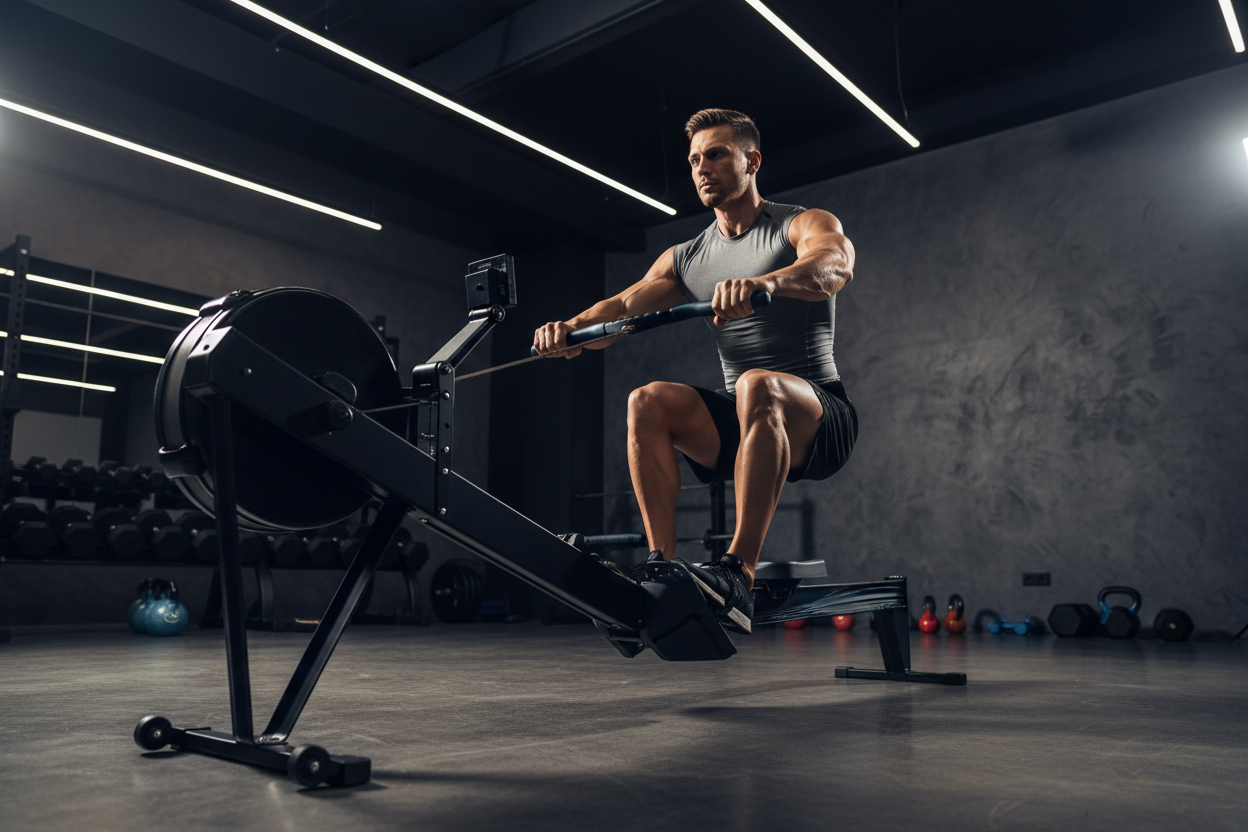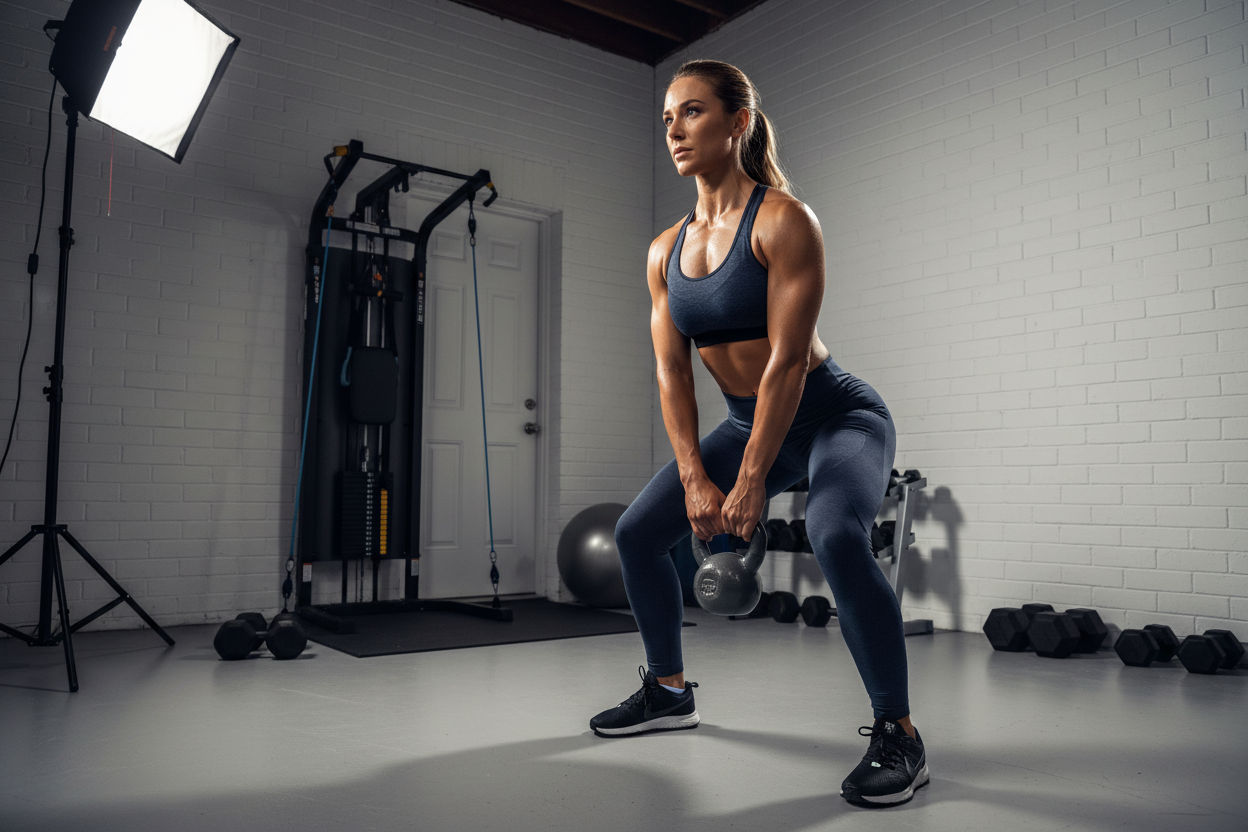
Easy Gym Routines Explained: Stop Overcomplicating It
We have all been there: staring at a basement full of equipment, exhausted after a long workday, and completely unmotivated to tackle a complex, two-hour training program. The truth is, the fitness industry loves to overcomplicate things. But if you want to see real, sustainable progress in your home gym, mastering easy gym routines is the ultimate cheat code.
Consistency will always beat intensity when it comes to long-term results. This guide will break down exactly how to structure an easy gym workout that maximizes your home setup, minimizes transition times, and actually keeps you coming back to the iron day after day.
Key Takeaways
- Simplicity scales: Easy routines focus on 3-4 compound movements rather than endless isolation exercises.
- Minimal equipment needed: A solid pair of adjustable dumbbells and a bench are often all you need to get started.
- Time efficiency: A well-structured routine should take 30 to 45 minutes, perfect for busy professionals.
- Space optimization: Routines that require less equipment swapping are ideal for compact garage or apartment gyms.
The Anatomy of an Effective, Easy Gym Workout
An easy gym workout does not mean a lazy workout. It means the programming is straightforward, the equipment changes are minimal, and the focus is on execution rather than remembering a complicated sequence of movements.
Focus on Compound Movements
To get the most bang for your buck, your routine should revolve around exercises that work multiple muscle groups at once. Squats, deadlifts, overhead presses, and rows should be the foundation. By hitting these major movement patterns, you stimulate more muscle growth and burn more calories in half the time.
Equipment Essentials
You do not need a commercial-grade cable crossover machine to get a great workout. For most easy routines, a high-quality power rack, a barbell, and some weight plates are the gold standard. If you are tight on space, adjustable dumbbells and a sturdy FID (Flat/Incline/Decline) bench can replicate almost any barbell movement while saving precious square footage.
Structuring Your Space for Workout Flow
One of the hidden benefits of simple programming is how well it pairs with small home gyms. The less equipment you need, the less space you require, and the faster you can move through your session.
Garage Gyms vs. Apartment Corners
If you are operating out of a standard two-car garage, you have the luxury of dedicating a zone to a power rack. Keep your plates stored directly on the rack to minimize walking back and forth. For apartment setups, an easy routine might rely entirely on kettlebells or resistance bands. Ensure you have an 8-by-8 foot clearing—enough room to lunge, press overhead, and lie down without kicking your coffee table.
Sample Frameworks You Can Start Today
Ready to put this into practice? Here are two straightforward frameworks that require minimal setup and deliver maximum results.
The Full-Body Minimalist
Perform this routine three days a week. Pick one lower body push (like a goblet squat), one upper body push (dumbbell bench press), and one upper body pull (single-arm dumbbell row). Do 3 sets of 8-12 reps for each. You will be done in under 40 minutes, having hit every major muscle group.
The Upper/Lower Split
If you prefer to train four days a week, split your days between upper body and lower body. This keeps the daily volume manageable and prevents you from feeling entirely wiped out the next day, making it an incredibly easy gym workout to stick to long-term.
From Our Gym: Honest Take
When I first built out my 10x12 garage gym, I fell into the trap of trying to replicate the complex, 6-day bodybuilding splits I used to do at the commercial gym. I bought specialized attachments, multiple bars, and bands of every resistance. The result? I spent half my workout just setting up and tearing down equipment.
Switching to a stripped-down routine was a game-changer. I vividly remember the day I decided to just stick to a barbell, a rack, and a bench. The medium knurling on my multi-purpose bar felt great, my chalked grip held solid through heavy deadlift sets, and I finished my entire workout in 35 minutes flat. One minor caveat: sticking to easy routines can sometimes feel repetitive mentally. I counter this by swapping out the specific variations every six weeks—like moving from a back squat to a front squat—while keeping the core structure identical.
Frequently Asked Questions
Are easy gym routines effective for building muscle?
Absolutely. Muscle growth relies on progressive overload—gradually increasing the weight or reps over time. A simple routine makes it much easier to track your lifts and ensure you are consistently progressing without burning out.
How much equipment do I need for an easy gym workout?
At a bare minimum, you can start with just your body weight and a pull-up bar. For a more robust home gym setup, a pair of adjustable dumbbells ranging from 5 to 50 lbs and a flat bench will unlock dozens of highly effective, simple exercises.
How long should these routines take?
A well-designed simple routine should take between 30 and 45 minutes, including a brief warm-up. If it is taking longer than an hour, you are likely resting too long between sets or adding unnecessary isolation exercises.