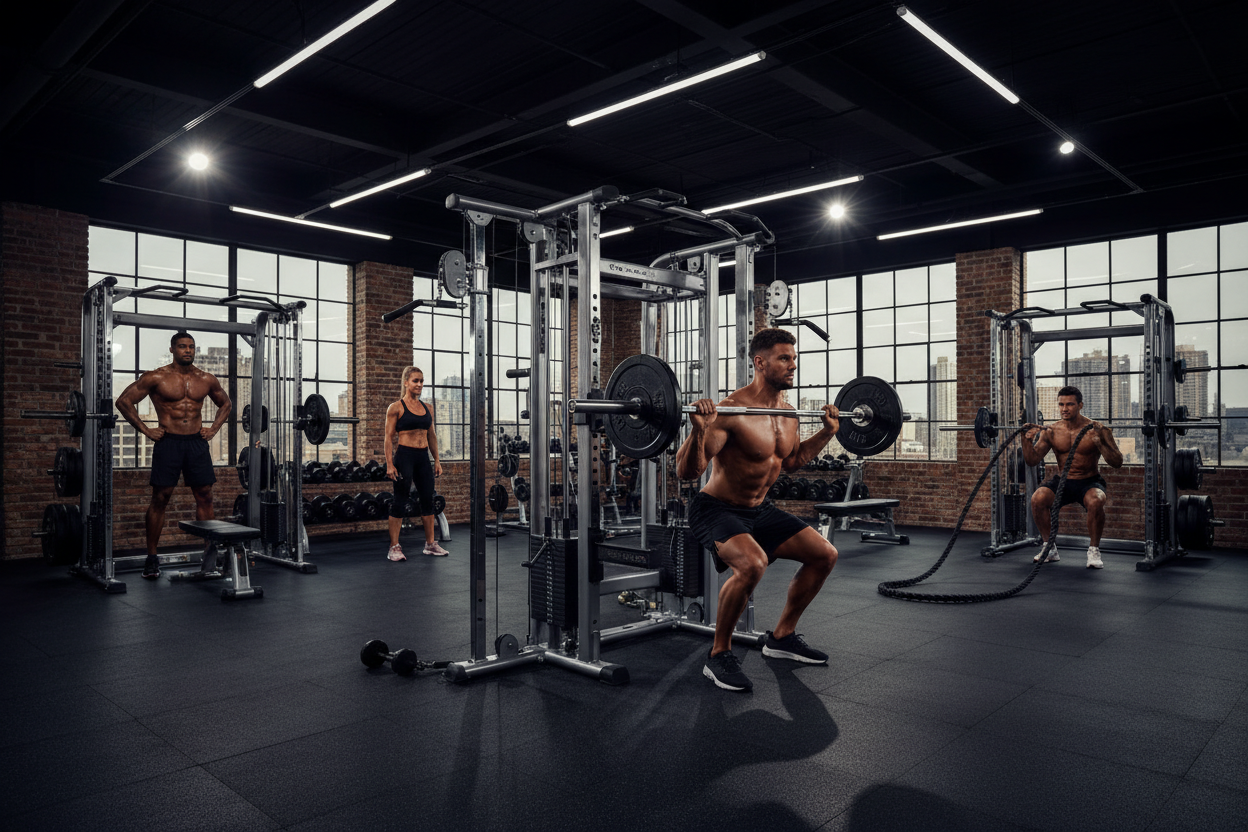
Commercial Gym Equipment: Is It Worth The Home Investment?
If you have ever felt your squat rack sway under a heavy load or noticed the cables on your functional trainer starting to fray after just a year, you are hitting the limits of consumer-grade gear. Building a home gym is a journey, and eventually, many dedicated lifters reach a point where standard residential setups simply do not cut it anymore.
That is where commercial gym equipment comes into play. Bridging the gap between the local health club and your garage, upgrading to professional-grade hardware can completely transform your training experience. In this guide, we will break down exactly what you need to know before bringing heavy-duty machines into your home, helping you decide if the investment matches your goals.
Key Takeaways
- Unmatched Durability: Built with 11-gauge steel and high-tensile cables to withstand constant, heavy use.
- Space Considerations: Commercial footprints are significantly larger and heavier, requiring reinforced flooring and higher ceilings.
- Superior Biomechanics: Professional machines offer smoother resistance curves and better ergonomic adjustments than standard residential gear.
- Long-Term Value: While the upfront cost is higher, commercial gear rarely needs replacing, saving money over a lifetime of lifting.
What Separates Commercial Gear from Residential?
When you start looking at workout equipment commercial grade options, the differences go far beyond the price tag. It comes down to engineering, materials, and safety tolerances.
Professional Gym Machines Deliver Superior Biomechanics
Have you ever used a leg extension at home that felt jerky, but the one at the gym feels like butter? That is the result of precision linear bearings, machined weight plates, and optimized cam profiles found in professional gym machines. They are designed to match the natural strength curve of human muscle, reducing joint strain and maximizing hypertrophy.
Built for the Long Haul
A standard home gym commercial setup utilizes 11-gauge steel (or thicker) and over-sized hardware. Whether it is a power rack or a commercial universal gym equipment multi-station, these pieces are tested for thousands of hours of continuous use. They simply do not wear down under the volume of a single household.
Space Planning: Fitting Commercial Gym Equipment for Home
The biggest hurdle when bringing commercial gym equipment for home use isn't always the budget—it is the footprint.
Dimensions and Clearances
Commercial pieces are unapologetically large. A commercial functional trainer might require a footprint of 7 feet by 5 feet, plus an 8.5-foot ceiling clearance for pull-ups. If you are building out a basement gym, meticulously measure your ceiling height, accounting for the height of your rubber flooring and any exposed ductwork.
Flooring and Delivery Logistics
A commercial leg press can weigh upwards of 500 pounds empty. Standard foam puzzle mats will compress and tear under this load. You will need high-density, 3/4-inch vulcanized rubber mats (like horse stall mats) to protect your concrete slab. Also, consider how you will get the equipment inside; commercial frames are often fully welded and cannot be broken down to fit through standard 28-inch residential doorways.
From Our Gym: Honest Take
When we decided to upgrade our primary testing facility (a standard two-car garage) with commercial home gym equipment, the difference was night and day—but it was not without its headaches.
I swapped out a wobbly residential lat pulldown for a fully commercial selectorized unit. The first thing I noticed was the guide rods; the commercial machine used solid steel rods instead of hollow chrome tubes. My chalked grip held solid on the aggressive knurling of the included stainless steel bar, and the 250-pound weight stack glided flawlessly without a hint of friction.
However, the caveat is real: getting that 600-pound machine off the freight truck and into the garage required three people, a heavy-duty dolly, and a lot of sweat. Furthermore, it takes up about 30% more floor space than the old unit. The trade-off in workout quality is absolutely worth it for a serious lifter, but do not underestimate the sheer mass of these machines.
Frequently Asked Questions
Is commercial gym equipment worth it for a home gym?
If you lift heavy, train multiple times a week, or simply want the smoothest possible mechanics, yes. While the initial investment is steep, commercial gear holds its resale value remarkably well and rarely breaks down, making it a "buy once, cry once" purchase.
How much space do I need for a commercial rack?
A standard commercial power rack typically requires a minimum footprint of 4 feet by 4 feet, but you need at least 2-3 feet of clearance on all sides for loading plates and spotting. Plan for a dedicated 8x8 foot area just for the rack and barbell.
Can my home's floor support commercial machines?
Most concrete garage or basement floors can easily support the weight of commercial equipment. However, if you are installing it on a second floor or above a crawlspace, you must consult a structural engineer, as the combined weight of the machine, plates, and the user can exceed standard residential load limits.