Best Gym Equipment: The Definitive Guide for Building a Home Gym
You have likely spent hours scrolling through endless product pages, trying to separate marketing hype from steel that actually lasts. It is exhausting. The truth is, the best gym equipment isn't always the most expensive, nor does it need to look like a spaceship. It simply needs to be durable enough to handle serious progressive overload and versatile enough to fit your space.
Building a setup is an investment in your health, but it is also a minefield of low-quality imports. Let’s cut through the noise and focus on gear that provides the highest return on investment for your physique.
Quick Summary: The Essentials
If you are looking for the most effective setup without wasting floor space, here is the hierarchy of what matters most.
- The Power Rack: Your safety net for heavy lifting. Look for 3x3 inch steel uprights and 1-inch hardware.
- The Barbell: The primary point of contact. Prioritize tensile strength (190k PSI+) and proper knurling over finish.
- Adjustable Bench: A stable flat-to-incline bench is non-negotiable for pressing versatility.
- Flooring: Horse stall mats (3/4 inch thick) remain the gold standard for protecting your foundation.
- Adjustable Dumbbells: Space-savers that replace an entire wall of fixed weights.
The Foundation: Why the Rack Comes First
Many beginners make the mistake of buying a bench press station first. This is limited thinking. A high-quality power rack allows you to squat, press, rack pull, and do pull-ups safely.
When selecting a rack, stability is everything. You want a rack that doesn't budge when you re-rack 300 pounds. Look for a modular design. This allows you to add attachments later, effectively turning one piece of metal into a comprehensive gym ecosystem. If you are tight on space, a wall-mounted folding rack is a viable alternative, provided your wall studs are reinforced.
The Barbell: The Soul of Your Gym
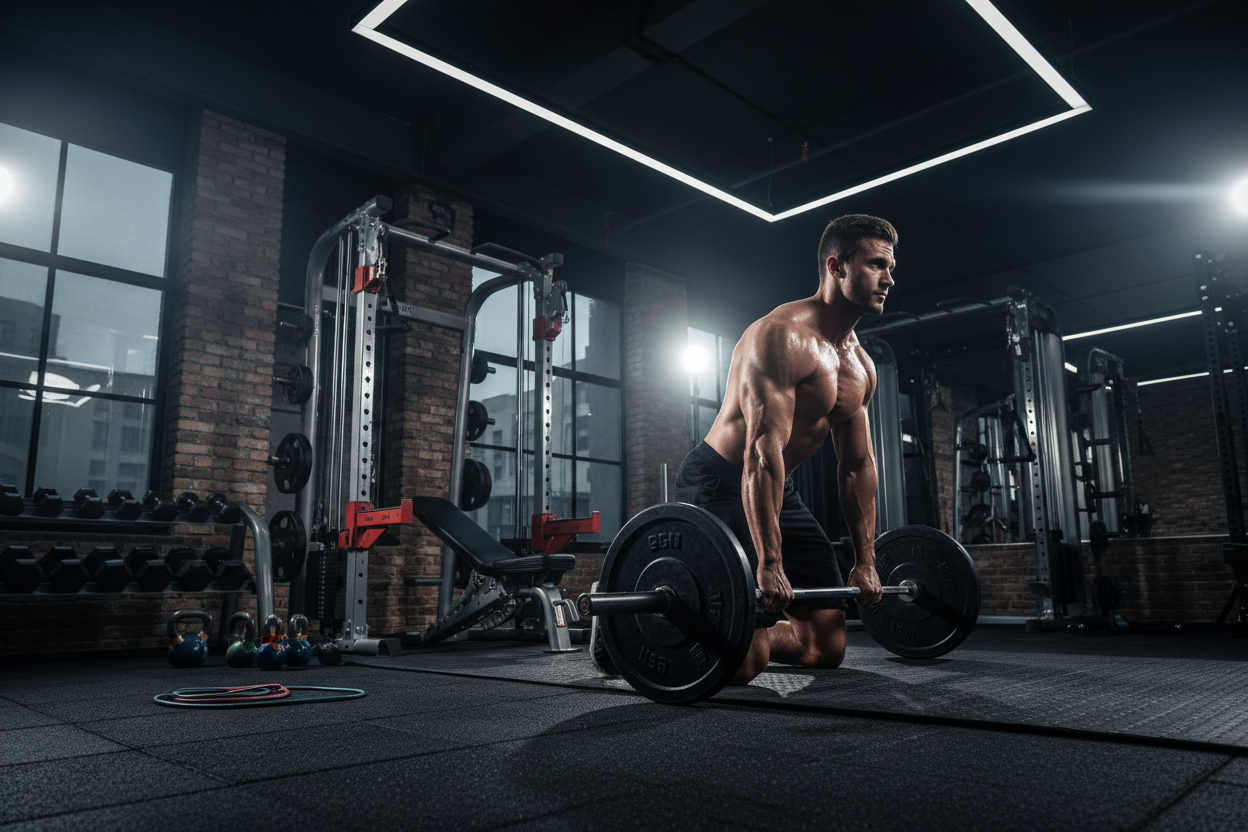
Do not skimp here. You can lift heavy weights in a cheap rack, but lifting with a cheap barbell is miserable and dangerous. Cheap bars bend permanently under heavy loads and often have sleeves that don't spin, which torques your wrists during lifts.
You want a bar with decent "whip" for deadlifts but enough stiffness for squats. The knurling (the grip texture) determines your connection to the weight. It should be grippy, not slippery chrome that peels off after a year.
Understanding Plates and Resistance
While machined iron plates look classic, bumper plates (rubberized) are generally superior for home use. They are quieter and protect your floor if you have to bail on a lift. When searching for the best gym products, prioritize plates with a steel center ring; they slide on and off the bar much smoother than simple rubber inserts.
Dumbbells: Fixed vs. Adjustable
If you have unlimited space and budget, a full rack of urethane dumbbells is the dream. For 99% of us, adjustable dumbbells are the answer.
However, be careful with the mechanism. Some plastic selector dials are prone to snapping if dropped. Look for systems that use steel plates and a durable locking pin. When browsing for the best gym equipments, you will notice a price gap here—pay the extra money for durability. A broken adjustable dumbbell is just an expensive paperweight.
My Personal Experience with Best Gym Equipment
I learned the hard way that specs on a website don't tell the full story. Years ago, I bought a budget "Olympic" bar from a big-box store. It looked shiny in the photos.
The reality hit me during a heavy deadlift session in mid-July. My hands were sweaty, and the chrome finish on that cheap bar became slick as oil. There was zero texture. I had to grip so hard to keep it from slipping that my forearms blew out before my back even got a workout.
Contrast that with when I finally upgraded to a raw steel power bar with aggressive knurling. I remember the first time I grabbed it—the steel actually dug into my calluses. It felt like Velcro. I didn't even need chalk. That specific tactile difference—the "bite" of good steel versus the slickness of cheap chrome—is something you only appreciate when you are three reps into a heavy set and your grip is failing. That is the difference quality makes.
Conclusion
Building a gym is a journey, not a one-time purchase. Start with the rack, the bar, and the weights. Ignore the cardio machines and isolation tools until your foundation is solid. By focusing on the best gym equipment that allows for compound movement, you ensure that every dollar spent translates directly to strength gains.
Frequently Asked Questions
How much space do I really need for a home gym?
You need less than you think. A single car garage bay is luxury. At a minimum, you need a 10x10 foot area. This accommodates a 7-foot barbell and gives you enough clearance to load plates without hitting the walls.
Should I buy new or used gym equipment?
Iron doesn't spoil. Used weight plates and dumbbells are excellent ways to save money, often selling for 50% of retail. However, buy your barbell and adjustable bench new. You need to know the history of the bar (to ensure it isn't bent) and trust the structural integrity of the bench.
Is a Smith Machine better than a Power Rack?
Generally, no. A power rack allows for natural movement paths and recruits more stabilizer muscles. While a Smith Machine has its place for hypertrophy, it should not be the centerpiece of a setup focused on functional strength.