
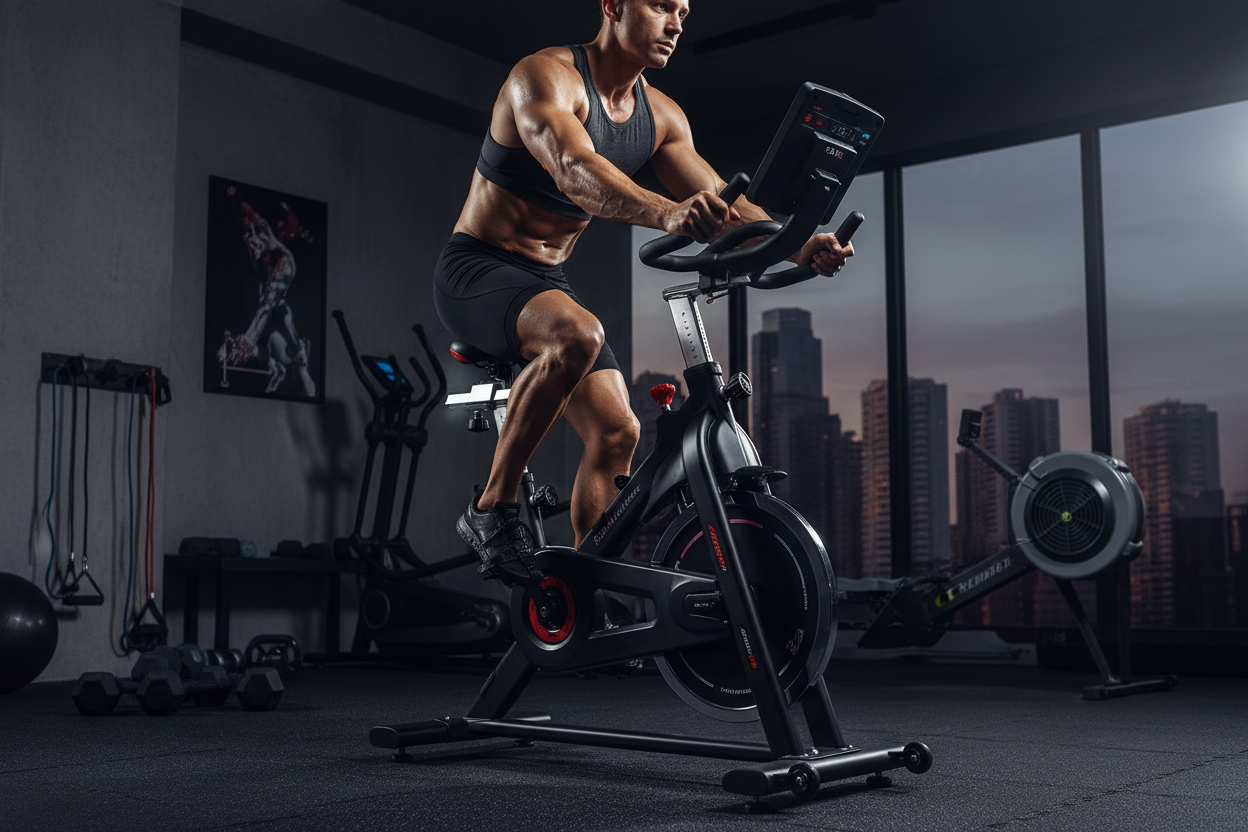
Best Exercise Bike Guide: What to Know Before You Buy
Let's face it: commuting to a crowded spin studio at 5 AM or battling the elements for an outdoor ride isn't always realistic. If you are looking to build a reliable, weather-proof cardio routine, finding the best exercise bike is often the smartest move for your home gym.
However, the market is flooded with flimsy, noisy machines and overpriced tech-heavy models. This guide breaks down exactly what you need to look for, helping you cut through the marketing noise to find the perfect match for your space, budget, and fitness goals.
Key Takeaways
- Magnetic resistance provides a smoother, quieter ride than traditional friction pads.
- Flywheel weight matters: aim for at least 30 lbs for a fluid, road-like feel.
- Measure your space: most standard indoor bikes require a footprint of about 4 feet by 2 feet.
- Connected bikes offer great programming, but analog bikes save money and avoid subscription fatigue.
Decoding the Specs: What Actually Matters
When searching for the best home bicycle exerciser, the spec sheet can look like a foreign language. Here is what actually dictates the quality of your ride.
Resistance Types: Magnetic vs. Friction
The best indoor cycles on the market today predominantly use magnetic resistance. Instead of a physical felt pad rubbing against the flywheel (which creates dust, noise, and requires eventual replacement), magnetic systems use magnets moving closer to or further from the metal wheel. This results in a whisper-quiet ride, which is crucial if you share walls with neighbors or have sleeping kids.
Flywheel Weight and Ride Quality
The flywheel is the heavy metal wheel at the front (or sometimes rear) of the bike. A heavier flywheel carries more momentum, eliminating the jerky dead spots in your pedal stroke. If you want the best cycle machine for home use, look for a flywheel weighing between 30 and 40 pounds. Anything lighter often feels unstable during high-intensity, out-of-the-saddle sprints.
Space Planning for North American Homes
One of the biggest mistakes buyers make is underestimating the footprint of their new equipment.
Basements, Apartments, and Garages
Fortunately, the best cycling machine for home use is usually quite compact. Most models require a floor space of roughly 48 inches long by 24 inches wide. However, you must factor in ceiling height. If you are setting up in a basement with low clearance, remember that standing climbs will add 10 to 15 inches to your height. Always leave at least two feet of clearance on either side for safe mounting and dismounting.
Training & Tech: Connected vs. Analog
Your budget will largely dictate whether you go with a smart bike featuring an integrated HD touchscreen or an analog bike.
Finding Your Workout Style
If you thrive on leaderboard competition and instructor shoutouts, investing in a connected ecosystem is worth the premium. But if you prefer catching up on a podcast or watching your own TV, a heavy-duty analog bike paired with a tablet holder is often the best home cycle machine for your wallet. You get commercial-grade durability without being locked into a pricey monthly subscription.
From Our Gym: Honest Take
Over the last year, I've logged hundreds of miles testing various models in my uninsulated garage gym. When hunting for the best home cycling machine, I immediately noticed a stark difference in Q-factor (the distance between the pedals). As someone with a history of knee pain, cheaper bikes with wide Q-factors felt like riding a horse. The premium models kept my hips, knees, and ankles properly aligned for maximum power output.
One caveat: while magnetic resistance is functionally superior, the electronic resistance boards on some high-end connected bikes can be sensitive to extreme temperature shifts. After reading some recent stationary bicycle news about monitor failures in cold garages, I started keeping a small space heater near my setup during dead-of-winter rides. If your gym is climate-controlled indoors, you won't have this issue, but garage athletes should take note.
Frequently Asked Questions
Is a stationary bike good for weight loss?
Yes. Consistent cardiovascular exercise combined with a proper diet creates a caloric deficit, which leads to weight loss. Indoor cycling is particularly beneficial because it is low-impact, allowing for high-intensity calorie burns without battering your joints.
How much space do I need for an indoor bike?
Most standard bikes require a footprint of about 4 feet by 2 feet. However, you should allow for an additional 2 feet of clearance on all sides to ensure you can safely get on and off the bike, and to accommodate arm movements if your workouts include light dumbbell work.
Do I need special shoes to ride?
It depends on the pedals. Many entry-level bikes come with toe cages that accommodate standard athletic shoes. Advanced models often feature SPD or Delta clip-in pedals, which require specialized cycling shoes. Clip-in shoes provide better power transfer and a much more secure grip during aggressive sprints.


