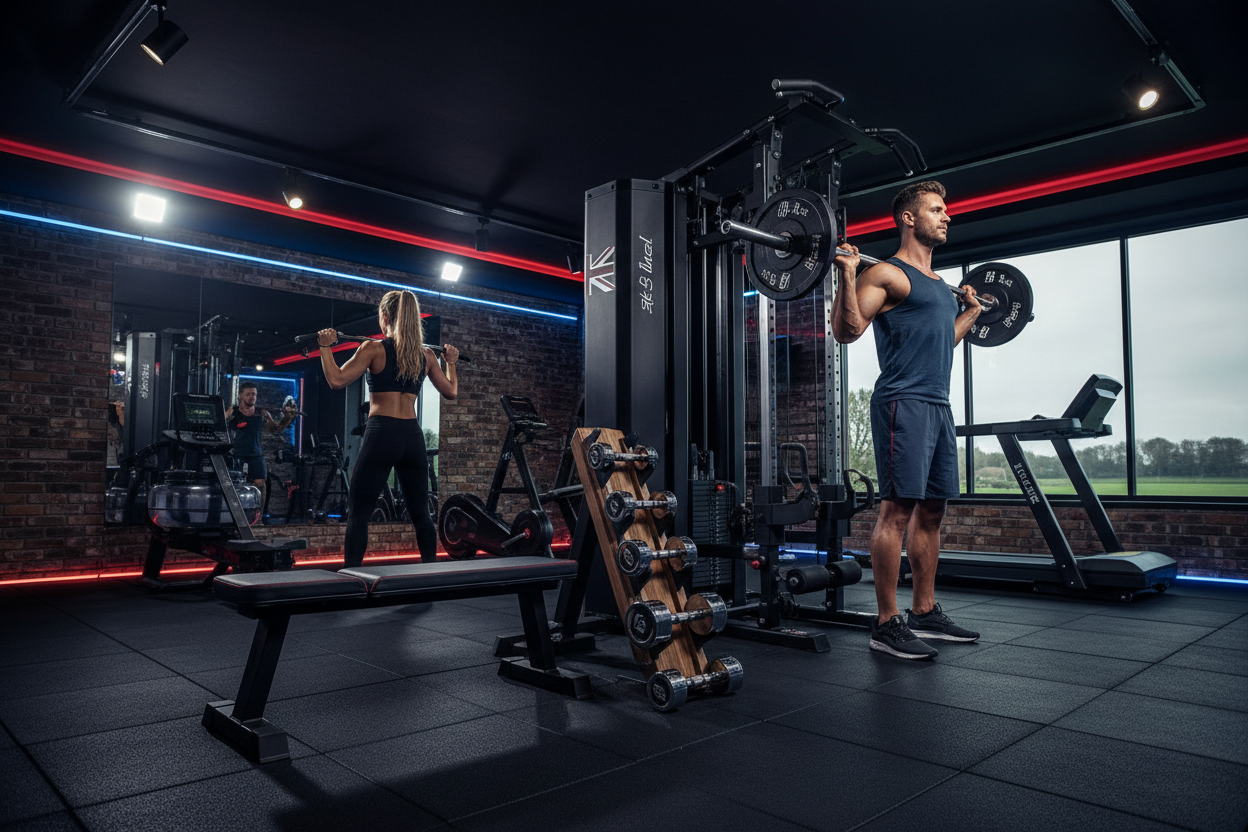
Setting up a home gym often starts with a glaring problem: the floor. Whether you are dealing with a freezing concrete garage or trying not to scuff your living room hardwood, finding the right base layer is critical.
Enter the 1/2 inch foam mat. It is one of the most popular, budget-friendly flooring solutions on the market, but is it the right choice for your specific workout style? In this guide, we will break down exactly what to expect from this flooring thickness so you can build your gym on a solid foundation.
Key Takeaways
- Ideal for bodyweight exercises, yoga, and light dumbbell routines.
- Provides excellent thermal insulation against cold concrete floors.
- Not recommended for heavy barbell drops or high-impact Olympic lifting.
- Interlocking tile designs make installation and custom room sizing a breeze.
Understanding the 1/2 Inch Thickness Profile
The Sweet Spot for Comfort and Stability
When shopping for gym flooring, thickness dictates function. A half-inch profile offers a unique middle ground. It provides enough cushioning to protect your knees and wrists during floor work, yet it remains firm enough to maintain balance during standing exercises like squats or lunges. Thicker mats can sometimes feel too squishy, leading to ankle instability under load.
Material Matters: High-Density EVA Foam
Most mats in this category are constructed from high-density EVA (Ethylene-Vinyl Acetate) foam. This material is lightweight, water-resistant, and incredibly easy to cut to fit irregular room shapes. It absorbs moderate shock and significantly reduces ambient noise, making it a favorite for second-floor apartment setups where downstairs neighbors might complain.
Space Planning and Installation
Fitting Your Unique Layout
One of the biggest advantages of foam flooring is its modularity. Whether you are outfitting a sprawling two-car garage or a compact 8x8 foot spare bedroom, interlocking tiles seamlessly connect like puzzle pieces. When planning your space, calculate your square footage and order about 10 percent extra to account for cutting around baseboards or structural pillars.
From Our Gym: Honest Take
We have tested dozens of flooring options over the years, and we currently use a 1/2 inch foam mat setup in the mobility and kettlebell zone of our testing facility. The thermal insulation is an absolute game-changer during brutal North American winters—it completely blocks the chill of the concrete subfloor.
However, I want to be completely transparent: this is not a heavy-duty weightlifting platform. When we placed a 300-pound power rack directly on the foam, the metal feet left permanent indentations within a single week. If you are building a powerlifting setup, use these mats for your accessory areas and invest in 3/4-inch horse stall mats or a wooden platform for your heavy lifting zones.
Frequently Asked Questions
Can I drop heavy weights on a 1/2 inch foam mat?
No. While they protect against light dumbbell drops, dropping a loaded barbell will likely punch right through the foam and damage your subfloor. For heavy drops, you need thick rubber flooring or a dedicated lifting platform.
How do I clean foam gym mats?
Maintenance is incredibly simple. Sweep or vacuum up loose dirt, then mop with a mixture of warm water and a few drops of mild dish soap. Avoid harsh chemicals like bleach, which can dry out and degrade the EVA foam over time.
Can I park my car on foam garage mats?
It is highly discouraged. The concentrated weight of a vehicle, combined with the heat from the tires and potential chemical leaks, will quickly compress and ruin EVA foam. Keep these mats restricted to your dedicated workout zones.