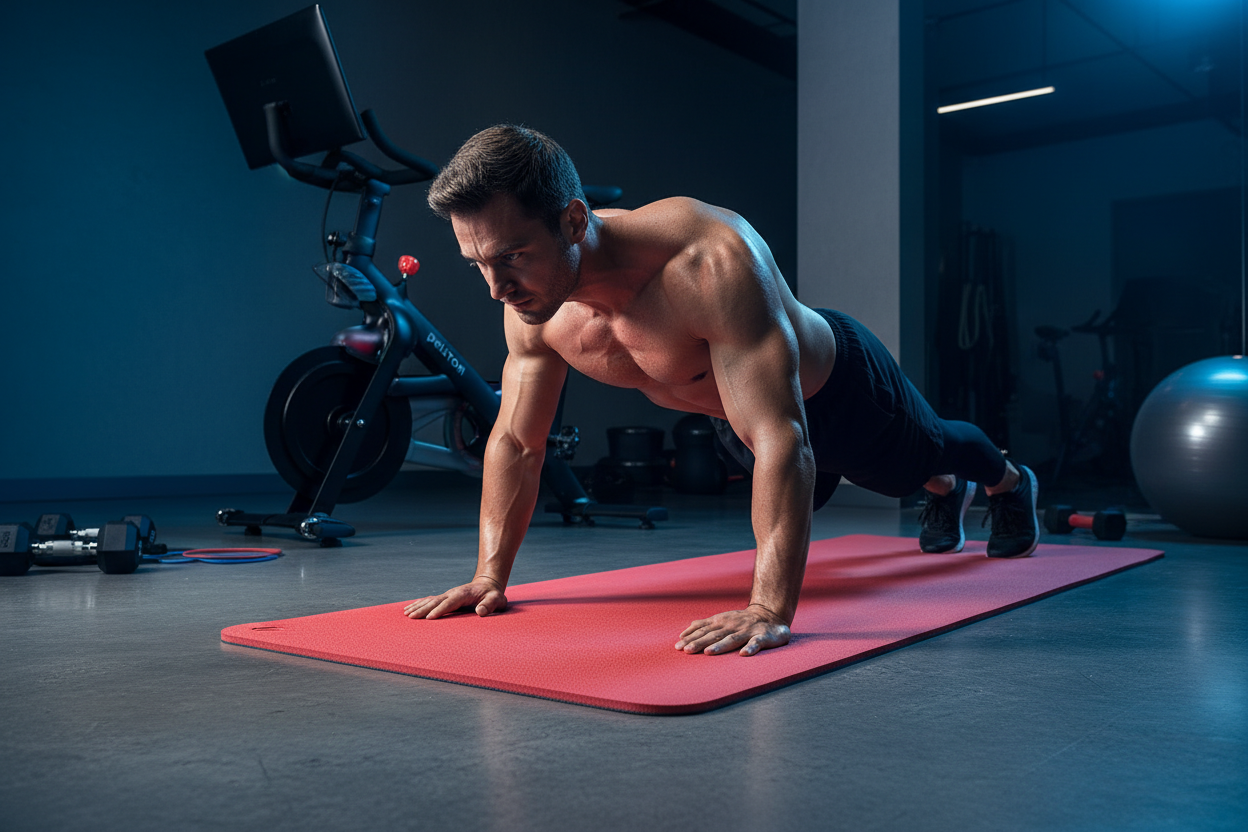
Is the Peloton Reversible Workout Mat Worth It? The Honest Truth
You have likely already committed to the ecosystem. You have the bike or the tread, and now you are looking at the accessories package. The question isn't usually whether you need a mat, but whether you need their mat.
At a premium price point, this accessory sits in a weird middle ground between standard yoga mats and heavy-duty gym flooring. Most peloton reversible workout mat reviews gloss over the specific functional differences of the two sides, focusing instead on the logo. Let's strip away the branding and look at the actual engineering to see if this slab of rubber earns its place in your home gym.
Key Takeaways
- Dual-Function Density: The mat features two distinct sides; a softer black side for yoga/stretching and a high-density red side for cardio and weights.
- Durability Factor: It is significantly thicker (5mm) and heavier than standard yoga mats, preventing bunching during high-intensity intervals.
- Grip Warning: While excellent for shoes, the surface texture can become slippery with heavy sweat during barefoot sessions.
- Value Proposition: You are paying a premium for the ecosystem match, though the build quality surpasses generic budget mats.
The Engineering: More Than Just a Logo
The core selling point here is the concept of a reversible workout mat. Most mats force you to choose between cushion (comfort) and density (stability). Peloton attempted to solve this by laminating two different materials together.
This makes the mat heavy. If you plan on lugging this to a local yoga studio, think again. It is designed to stay on your floor. The weight is actually a functional benefit; it means the corners rarely curl up after the first week of use, a common annoyance with lighter PVC mats.
The Red Side vs. The Black Side
There is often confusion regarding the peloton reversible workout mat red side. This is not just an aesthetic choice. The red side has a texture designed to grip carpet or hard floors, but it is also the side you should face up if you are doing weights or HIIT with shoes on.
The material on the red side is denser. It withstands the friction of sneakers pivoting during a cardio class without shredding. Conversely, the black side is smoother and slightly softer, intended for barefoot recovery rides, yoga, or stretching.
Performance Under Pressure
When analyzing the reversible workout mat peloton offers, we have to talk about sweat management. This is a closed-cell construction. That means it does not absorb sweat like an open-cell natural rubber mat (like a Jade or Manduka GRP).
The benefit? It is incredibly easy to clean. A quick wipe down and bacteria doesn't fester inside the foam. The downside? If you are a heavy sweater, the sweat pools on top. During a rigorous Bootcamp class, this can turn the surface into a slip-and-slide if you aren't using a towel.
My Personal Experience with Peloton Reversible Workout Mat Reviews
I want to move away from the spec sheet and talk about what happened in my living room. I’ve been using this mat for about six months, specifically for the "Bike Bootcamp" classes where you are constantly hopping off the bike to do floor work.
Here is the unpolished reality: The first time I unboxed it, the off-gassing smell was potent. It smelled like a tire shop for about three days. You have to air this thing out before you stick your face near it for a plank.
But the real test came during mountain climbers. With cheaper mats, I usually experience bunching—the mat stretches and ripples under my feet when I'm driving my knees. This mat didn't budge. It stayed completely flat. However, I did notice that the red pigment is prone to scuffing. I dropped a 15lb dumbbell (coated hex style) on the edge, and it left a permanent black streak on the red surface that no amount of scrubbing could remove. It’s purely cosmetic, but for the price, I expected the finish to be a bit more resilient against rubber-on-rubber contact.
Conclusion
If you are looking for a dedicated yoga mat for hot yoga, this isn't it. You will slip. However, if you need a generalist reversible workout mat that can handle the abuse of sneakers, dropped weights, and high-impact cardio without shredding, the Peloton mat is a solid piece of gear. It bridges the gap between flooring and a yoga mat effectively.
Frequently Asked Questions
How do I clean the Peloton reversible mat?
Because it is a closed-cell surface, you should use a gentle cleanser. A mixture of water and a few drops of mild dish soap works best. Avoid harsh chemicals or alcohol-based wipes, as they can dry out the material and cause the red side to crack over time.
Can I use shoes on both sides of the mat?
Technically yes, but it is not recommended. The black side is softer and more prone to tearing or scuffing under the friction of rubber soles. Stick to the peloton reversible workout mat red side for shoe-based workouts to extend the life of the product.
Is the mat large enough for tall users?
The mat measures 71" x 26". This is standard length but slightly wider than many budget mats. For users over 6'2", you might find yourself stepping off the back during lunges, but for the vast majority of users, the footprint is adequate for full-body movement.