Build a Complete Physique: Body Solid Smith Machine With Lat Pulldown
Building a serious home gym usually comes down to one brutal constraint: square footage. You want the safety of a cage and the hypertrophy potential of cables, but you only have a single garage bay or a spare bedroom to work with. This is where the body solid smith machine with lat pulldown enters the conversation. It promises to be the Swiss Army knife of resistance training, but does it actually deliver on biomechanics, or is it just a space-saver that compromises on quality?
We are going to look at the engineering, the feel of the linear bearings, and whether this specific combination can replace a commercial gym membership. Let’s strip away the marketing fluff and look at the hardware.
Quick Summary: Is This The Right Rig For You?
- Space Efficiency: Combines heavy compound movements and isolation cable work in a single footprint, ideal for spaces under 100 sq ft.
- Safety First: The Smith component offers integrated safety catches, allowing you to train to failure on bench presses and squats without a spotter.
- Linear Bearing Smoothness: Unlike cheaper bushing models, Body-Solid typically uses linear bearings which prevent the bar from getting "stuck" during off-center pushes.
- Versatility: The high/low pulley system allows for lat pulldowns, tricep pushdowns, and seated rows without needing a separate tower.
The Mechanics of the Combo
The primary reason you look at this piece of kit is the synergy between the fixed barbell path and the cable system. Most home gym owners buy a rack, then realize six months later they desperately miss cable work for their back and triceps.
The Smith Machine Component
Body-Solid engineers their machines with a specific focus on the glide. If you have ever used a cheap Smith machine, you know the friction is terrible—it fights you on the eccentric (lowering) phase. This machine utilizes linear bearings. These are ball bearings that roll along the guide rods.
Why does this matter? Because it removes drag. When you are pressing heavy, you want to fight the weight plates, not the friction of the machine. This allows for a consistent tension curve, which is critical for hypertrophy.
The Lat Pulldown Integration
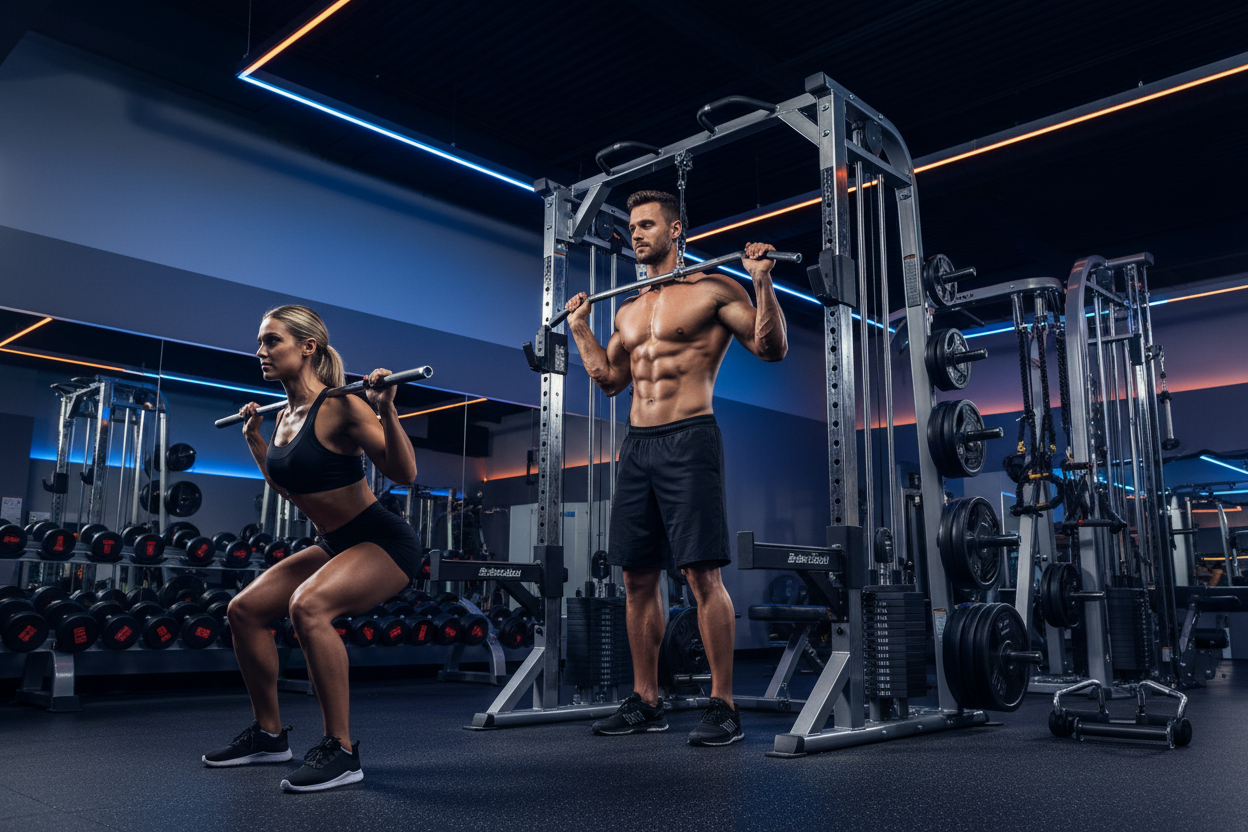
This isn't just a bolt-on afterthought. The lat attachment connects directly to the rear of the unit. It usually features a high pulley for vertical pulling (lat pulldowns, face pulls) and a low pulley for horizontal pulling (seated rows, curls).
The advantage here is the "super-set" capability. You can move from a heavy Smith Machine incline press directly to a cable fly or a tricep pushdown without walking across the room. It increases your workout density.
Expanding Your Arsenal
One of the strongest selling points of this ecosystem is the ability to upgrade later. You aren't stuck with just the base unit. There are several body-solid smith machine attachments that can drastically alter your training stimulus.
For example, adding a Pec Dec attachment transforms the unit into a chest isolation station. If you are focused on arm development, a Preacher Curl attachment usually fits right into the bench often sold with these units. This modularity means you can spread your investment out over time rather than dropping five figures on day one.
The Vertical vs. Angled Path Debate
You need to understand the bar path before buying. Body-Solid manufactures both Series 7 (angled) and traditional vertical Smith machines.
If you choose the vertical path model, it is excellent for mechanics like the drag curl, shrugs, and calf raises. However, for bench pressing, a strictly vertical path can feel unnatural for some lifters who are used to a "J" curve bar path. If you opt for the angled version (like the Series 7), it mimics the natural pressing arc, which is generally friendlier on the shoulder joints during heavy pressing.
My Training Log: Real Talk
I want to step away from the specs and tell you how this actually feels at 6:00 AM when the coffee hasn't kicked in yet. I spent a solid training block using the Body-Solid Series 7 with the lat attachment.
Here is the unpolished truth: The first thing I noticed was the knurling on the bar. It’s aggressive enough to stick, but because the bar rotates within the hooks, you have to be careful not to roll your wrists excessively or you'll accidentally re-rack the weight mid-rep. It takes about two sessions to get used to that wrist positioning.
Regarding the lat pulldown—there is a specific "break-in" period. The first week, the carriage felt a tiny bit sluggish on the way up with light weight. I had to hit the guide rods with a silicone-based lubricant (do not use WD-40, it gums up). Once I did that, the action was glass-smooth. Also, when doing low rows, the footplate is solid, but if you are pulling over 200lbs, you need to really plant your heels or the front of the machine might shift slightly if you aren't on rubber flooring. It's a beast, but physics is physics.
Conclusion
The Body Solid Smith Machine with Lat Pulldown is a powerhouse for intermediate to advanced lifters who need safety and versatility. It solves the space problem without sacrificing the ability to overload the muscles. If you maintain the guide rods and choose the right attachments, this unit will outlast your lifting career.
Frequently Asked Questions
Can I use standard 1-inch plates on this machine?
Most modern Body-Solid Smith machines and lat attachments are designed for Olympic 2-inch plates. However, some models come with adapter sleeves. If you only have standard plates, check the specific model specs, but expect to need Olympic plates for the best experience.
Does the lat pulldown get in the way of squatting?
No. The lat pulldown tower is located at the rear of the machine. Unless you are doing an extremely unorthodox exercise, the cables and weight carriage are completely out of your range of motion during Smith machine movements.
How difficult is the assembly?
Be prepared for an afternoon of work. These machines are heavy-duty. It is highly recommended to have a socket set rather than using the provided wrenches, and having a second person to hold the uprights while you bolt the frame is almost mandatory for safety.