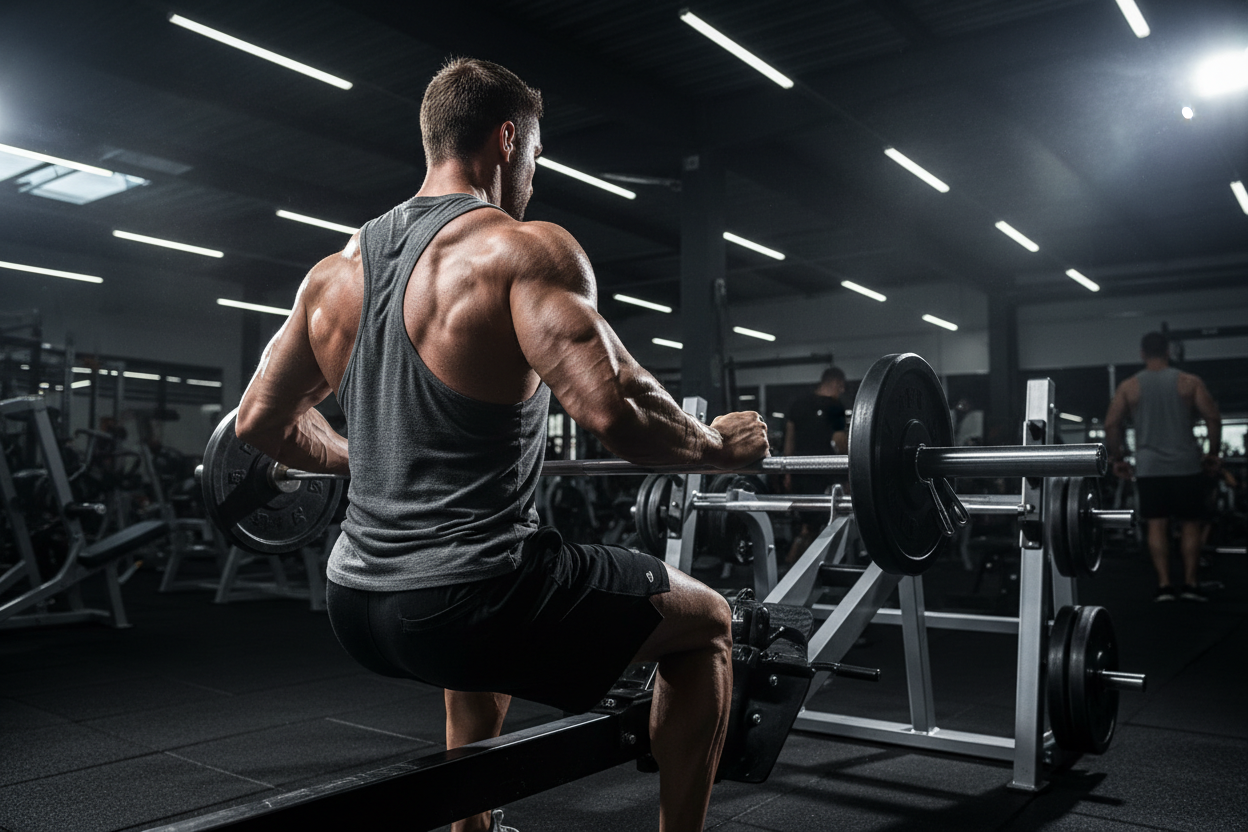
Best Fitness Equipment Home: The Definitive Guide for 2024
You have likely stared at an online cart full of gear, wondering if you are making an investment or just buying an expensive clothes rack. It is a common paralysis. The market is flooded with gadgets that promise the world but deliver very little in terms of actual adaptation.
Building a garage or basement setup isn't about replicating a commercial facility. It is about selecting the best fitness equipment home setups require for longevity, safety, and results. Let’s cut through the marketing noise and look at what actually works.
Quick Summary: The Essentials
If you are skimming for the absolute necessities to build a functional physique at home, here is the hierarchy of needs:
- The Power Rack: The centerpiece for safety during squats and bench presses.
- Olympic Barbell & Plates: The primary tool for progressive overload.
- Adjustable Bench: Look for a weight capacity over 600lbs to ensure stability.
- Adjustable Dumbbells: Saves roughly 20 square feet of floor space compared to a full rack.
- Horse Stall Mats: The most durable, cost-effective flooring solution (skip the puzzle tiles).
The Foundation: Strength Training Essentials
When looking for the best strength training equipment for home, you must prioritize versatility. Single-use machines (like a seated calf raise or a pec deck) are luxury items. In a home environment, floor space is your most valuable currency.
The Power Rack
This is non-negotiable if you plan to lift heavy alone. A good rack acts as your spotter. Look for a 3x3 inch steel gauge. It allows you to squat, press, and do pull-ups safely. If space is tight, a folding wall-mount rack is a viable alternative, though you sacrifice some stability.
The Barbell
Do not scrimp here. Cheap bars bend, the chrome flakes off into your eyes, and the sleeves stop spinning (which wrecks your wrists). A standard 20kg (45lb) bushing bar is the gold standard for general strength.
Space Efficiency and Hypertrophy
Unless you have a barn, you cannot fit a full dumbbell rack. This is where the best fitness equipment home gym setups differ from commercial spaces. You need density.
Adjustable Dumbbells
Modern selectorized dumbbells have come a long way. They allow you to switch from 10lbs to 90lbs in seconds. While they aren't as indestructible as cast iron hex dumbbells, the space saving is worth the trade-off. Be careful not to drop them; the plastic pin mechanisms are usually the failure point.
Kettlebells
For conditioning and functional movement, one or two kettlebells (16kg and 24kg are standard starting points for men; 8kg and 16kg for women) provide a massive ROI. They take up virtually zero space and offer a different stimulus than linear barbell training.
Cardio: The "Love to Hate" Gear
Treadmills are massive and require maintenance. For a home gym, I usually recommend an Air Bike (Fan Bike) or a Rower. They are self-powered, meaning fewer things can break electronically. Plus, the Air Bike uses arm action, forcing a higher heart rate in a shorter timeframe compared to a stationary cycle.
My Training Log: Real Talk
I want to be honest about the reality of home training. It isn't always Instagram-pretty. I remember buying a budget "all-in-one" bench off Amazon when I first started. I was bench pressing about 225lbs, and I could feel the entire structure wobble laterally every time I locked out my elbows. It was terrifying.
The plywood broke a month later. I replaced it with a heavy-duty Rep Fitness bench, and the difference in confidence was immediate. Another detail people forget: the smell. If you buy cheap rubber bumper plates or flooring, your room will smell like a tire fire for six months. I had to leave my windows open through a freezing November just to off-gas the rubber. Spend the extra money on "low odor" rubber or virgin rubber; your nose will thank you.
Conclusion
Building a home gym is a journey, not a one-time purchase. Start with the barbell and the rack. Master the movements. Then, add the accessories as your strength demands it. Focus on quality steel over fancy touchscreens, and you will build a sanctuary that serves you for decades.
Frequently Asked Questions
What is the single most important piece of home gym equipment?
If you have the space, a Power Rack is the most important. It allows for safe compound movements (squats, bench, rack pulls) which drive the most physical adaptation. If space is severely limited, a pair of heavy adjustable dumbbells is the next best option.
How much space do I need for a home gym?
For a full barbell setup, you need roughly a 10x10 foot area. The barbell itself is 7 feet long, and you need clearance on either side to load plates. For a dumbbell-only setup, you can get an effective workout in a 6x6 foot space.
Is home fitness equipment as good as commercial gym gear?
High-quality home gear (often called "light commercial") is often better than the abused equipment at local gyms. Brands like Rogue, Rep Fitness, and Sorinex make equipment for home users that exceeds the build quality of standard commercial machines.